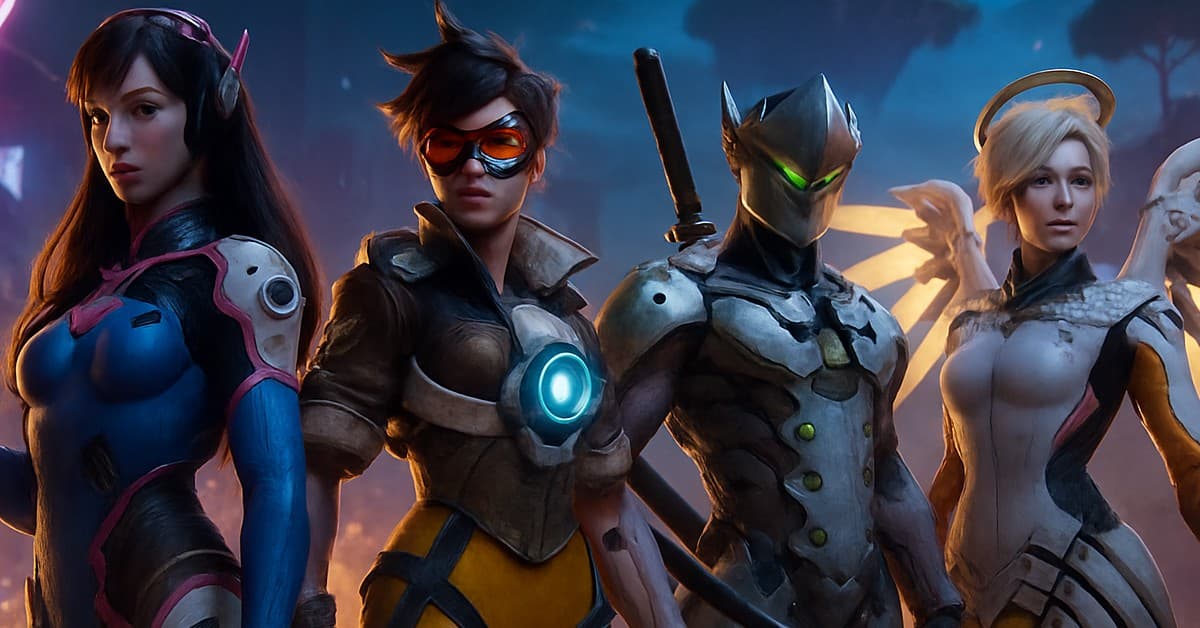
The gaming world has witnessed its fair share of unexpected crossovers, but the latest announcement of Overwatch heroes joining the Fortnite universe on May 14 stands out for all the wrong reasons. For fans of both games, the inclusion of D.Va, Tracer, Genji, and Mercy in Fortnite might seem like a novelty, but beneath the surface, it reeks of desperation from both Blizzard and Epic Games. Coming on the heels of Overwatch's soft reboot for its 10th anniversary, this move feels like a belated attempt to tap into Fortnite's broad, multi-fandom appeal.
Quick Facts — Overwatch and Fortnite
| Developer | Blizzard (Overwatch), Epic Games (Fortnite) |
|---|---|
| Platform(s) | PC |
| Release Date | May 14 |
| Genre | Hero Shooter (Overwatch), Battle Royale (Fortnite) |
The timing and execution of this crossover are particularly jarring. Overwatch, once the pinnacle of hero shooters, has seen better days. Its recent soft reboot aimed to revitalize the game, but this Fortnite crossover feels more like a promotional gimmick than a genuine effort to innovate or engage its core audience. Meanwhile, Fortnite, known for its relentless pursuit of crossover events, seems to be repeating a formula that, while financially successful, creatively stagnates with each new announcement. For players invested in either game, the question lingers: does this crossover add meaningful value, or is it merely a superficial cash-in?
About the Crossover Event
The crossover, slated for May 14, will introduce four iconic Overwatch heroes to Fortnite's battle royale landscape. D.Va, Tracer, Genji, and Mercy are set to bring their unique abilities to the Fortnite gameplay, albeit translated through Fortnite's distinct lens. However, the announcement trailer, which reuses decade-old voice lines, and the application of Fortnite's art style on these characters, have been met with criticism. The Fortnite aesthetic, with its brighter, more stylized approach, significantly alters the Pixar-esque quality that Overwatch heroes are known for, leading to a jarring visual mismatch.
"I just wish it didn’t feel so goddamn icky."
This sentiment, echoed by the author, encapsulates the disappointment in seeing beloved characters reduced to what feels like mere marketing tools. The clash in art styles is not just aesthetically displeasing; it symbolizes a deeper issue—a lack of synergy between two vastly different gaming philosophies being forced together for the sake of relevance.
Evaluating the Move for Both Parties
For Blizzard, this crossover is a clear attempt to capitalize on Fortnite's vast audience, hoping to lure back players or attract new ones to Overwatch, especially after its 10th-anniversary celebrations and soft reboot. However, the timing and approach might backfire, as it highlights the game's reliance on external promotions rather than internal innovation. The soft reboot, intended to refresh the game, now risks being overshadowed by a crossover that feels more like a publicity stunt than a strategic revival move.
For Epic Games, while the addition of Overwatch heroes fits its strategy of accumulating intellectual properties, it further cements Fortnite's reputation as a melting pot of franchises rather than a game with a strong, standalone identity. This approach, though profitable, risks diluting the Fortnite experience for its dedicated player base.
What This Means for Players
Ultimately, the success of this crossover will be measured by player response. For Overwatch fans, seeing their heroes in a new light (literally, given the art style change) might offer a brief novelty, but the long-term impact on Overwatch's player base and overall health remains uncertain. Fortnite players will get new, potentially powerful skins and abilities, but this addition does little to address the game's deeper challenges or offer meaningful innovation to its gameplay loop.
The author's dissatisfaction with the crossover's feel and timing is palpable, and it resonates with concerns that this move is more about desperation than innovation. As the gaming landscape continues to evolve, collaborations like these will be scrutinized closely for their authenticity and value to the player community.
Criticisms and the Bigger Picture
Beyond the immediate reaction to the crossover's announcement, there are broader implications for the gaming industry. The increasing trend of crossovers as a quick fix for engagement raises questions about the long-term health of individual game identities. For Overwatch, this move might attract temporary attention but does little to address the game's underlying challenges. For Fortnite, it's another step in a strategy that prioritizes quantity of content over quality and originality.
The author's critique of the crossover's "icky" feel touches on a deeper fan frustration with the commodification of beloved characters for the sake of a quick marketing win. As games continue to blend and borrow from one another, the line between genuine collaboration and desperate grasping for relevance will become increasingly important for developers to navigate.
Key Takeaways
- Overwatch heroes D.Va, Tracer, Genji, and Mercy are coming to Fortnite on May 14.
- The crossover follows Overwatch's 10th anniversary and soft reboot.
- The move is criticized for feeling desperate and for the clashing art styles.
In conclusion, while the Overwatch and Fortnite crossover might generate initial buzz, its long-term benefits for both games and their respective communities are questionable. For now, it stands as a symbol of the challenges faced by long-running titles in an ever-changing gaming landscape and the risks of prioritizing relevance over resonance.