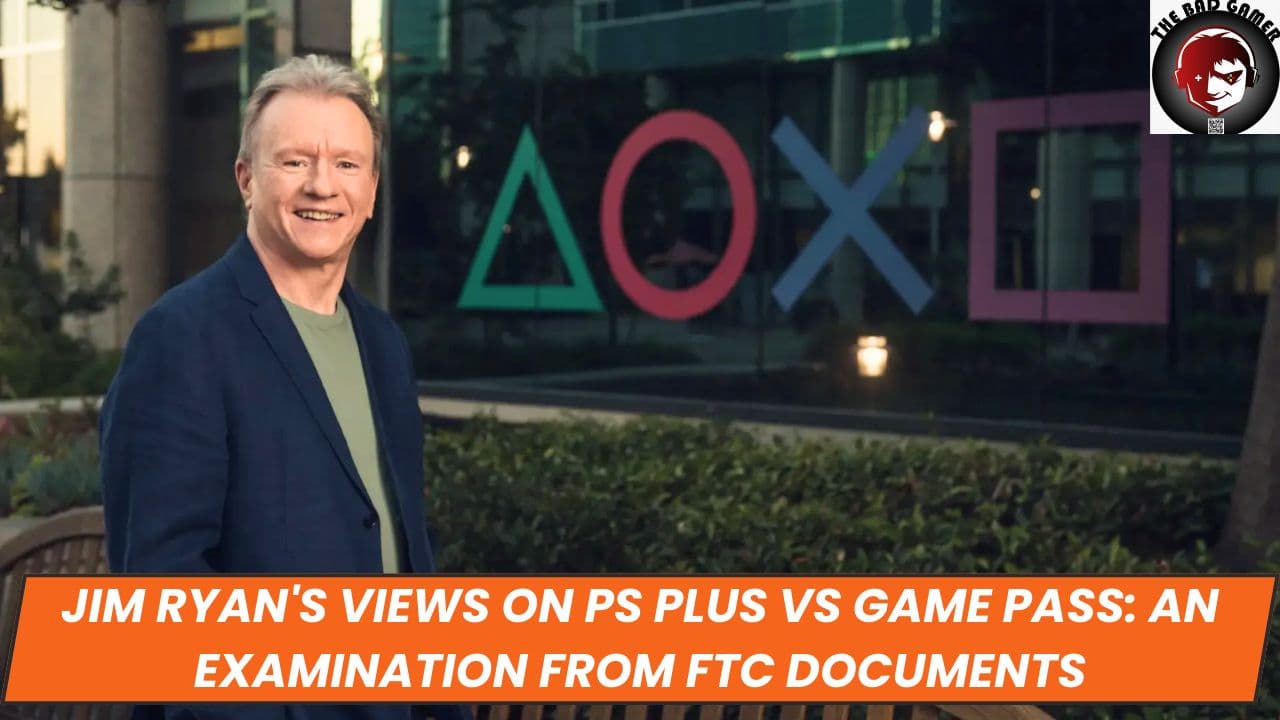
In recent leaked documents from the FTC v. Microsoft case, Jim Ryan, President and CEO of PlayStation, was found to express a rather definitive opinion. He claimed that PlayStation Plus is a better gaming subscription service than Xbox's Game Pass. This has stirred debate and discussion within the gaming community. Here, we will dissect Jim Ryan's statements in detail, explore the factors that contribute to his perspective, and examine the implications for both PlayStation Plus and Xbox Game Pass.
Background on the Leaked Statements
Once, Jim Ryan publicly criticized Xbox Game Pass while touting PlayStation Plus as superior. The documents make it clear that he wasn't hesitant to throw shade at Microsoft. At that time, he stated that PlayStation Plus had double the subscribers compared to Xbox Game Pass. However, it's essential to note that subscription metrics and their implications aren't always straightforward, a point we'll delve into further.
What Jim Ryan Said
According to the leaked FTC v. Microsoft documents, Jim Ryan spoke with various game publishers and found unanimous disdain for Game Pass. He said it was "value destructive" on both an individual title and industry level. In contrast, he revealed that PlayStation Plus had close to 50 million subscribers, whereas Xbox Game Pass had just surpassed 25 million, as confirmed by Phil Spencer in January 2022.
Subscription Models: PS Plus vs Game Pass
Ryan's comparison deserves scrutiny. For many years, PlayStation Plus functioned similarly to Xbox Live, making it mandatory for online play. Naturally, this inflated the subscription numbers. Game Pass, on the other hand, has been a completely optional service, offering a curated library of games to its subscribers. Essentially, comparing PlayStation Plus to Game Pass might not offer a like-for-like analysis, especially when one considers the differing natures of the services.
The Question of 'Value'
Jim Ryan argued that Game Pass is "value destructive." To elaborate, he believes that the subscription model negatively affects the value perception of individual titles and has broader implications for the industry. While it's true that some publishers have expressed concerns over how subscription models like Game Pass might impact game sales, others see it as an opportunity for greater visibility and revenue through in-game purchases.
Historical Context: FTC v. Microsoft Case
This isn't the first time that PlayStation and Xbox services have been scrutinized in the context of federal investigations. The current story can be traced back to a previous FTC v. Microsoft trial that took place in June, during which similar topics surfaced. Hence, the ongoing discussion around subscription services and their value proposition is not new but part of a broader narrative.
Implications for the Industry
Jim Ryan's statements have stirred debate, but they also offer a snapshot into the industry's current dynamics. The growth of subscription services is undeniable, yet their long-term impact remains a subject of ongoing discussion among game publishers and platform holders. What is clear is that both PlayStation and Xbox will continue to evolve their offerings in response to market trends and consumer preferences.
Conclusion
The leaked statements from Jim Ryan in the FTC v. Microsoft documents shed light on a contentious issue—whether PlayStation Plus is indeed superior to Xbox Game Pass. While Ryan strongly believes in the value of PlayStation Plus, backed by a larger subscriber base, the discussion is far from over. Differing subscription models, ongoing industry debate, and the continually changing landscape of gaming services suggest that this will remain a hot topic for some time to come.