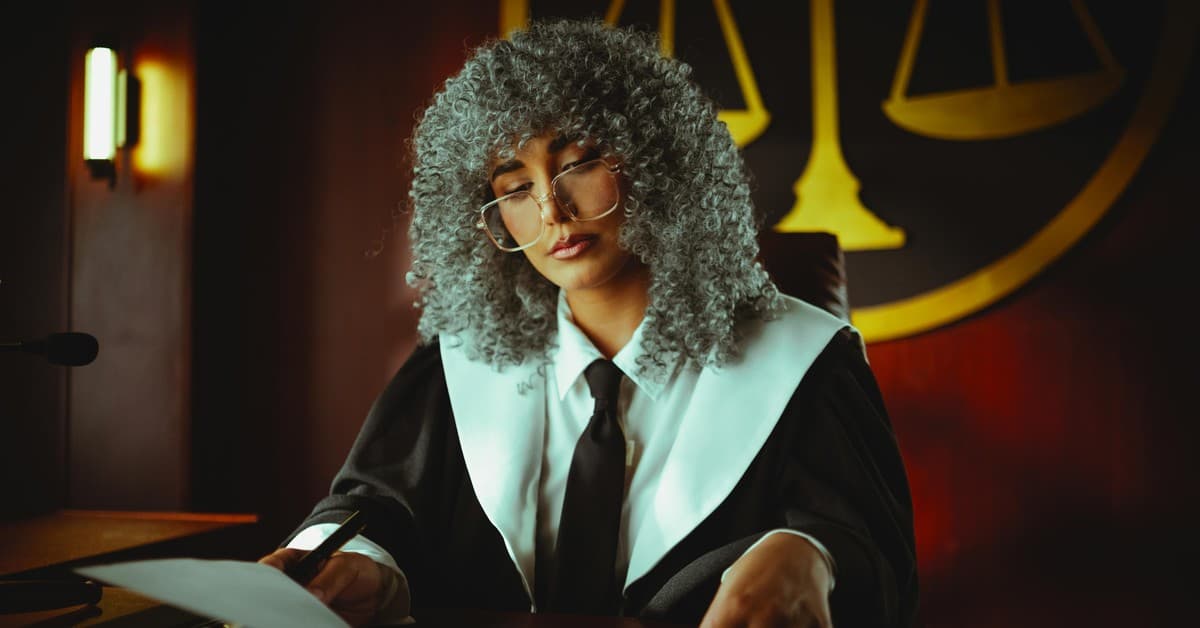
Two years, no law. That's harsh. The fact that a judge slapped two lawyers with a 24-month ban and fined everyone involved in the Tom Withers vs Aberdeen case highlights a glaring issue - AI "evidence" can't be trusted, and it's about time the legal system woke up to this reality, which apparently includes a systemic failure in legal due diligence that allowed AI-generated "facts" to spiral out of control.
"comedy of AI errors"
Rob Freund, Lawyer
It's a problem. They used AI tools. Kathleen M. Wilson and Kathryn Y. Williams, the lead attorneys, did this for Withers and the city of Aberdeen. You'll notice they didn't fact-check the AI-provided citations. That's key. Neither Wilson nor Williams verified the information before submitting it. Their local counsels, Shauncey Hunter Ridgeway and Mark C. McClinton, missed the fake citations too, which is worth mentioning. It's not good. They've got a lot to answer for, with the lawyers' negligence leading to a 2-year ban, a decision that shows the importance of honesty in the legal process, for the real feel of justice to be maintained, it's essential to have a crossover of technology and human oversight, to prevent such mistakes in the future.
Judge Slams Lawyers With AI Blunder Ban
It's a big deal. They got banned for 2 years. Wilson used AI for drafting, which is pretty common, but you'll still need to fact-check. Worth noting: the problem is, they didn't verify the outputs, and that's where things went wrong. Fictitious citations were included, which is not okay. The local counsels dropped the ball too, they didn't review the filings properly. You'll see this kind of thing happen when people rely too heavily on AI tools without double-checking. The judge's decision to fine them - Wilson got $2,500, Williams got $3,500, and Ridgeway and McClinton each got $1,000 - shows that honesty is key in legal work, especially for using AI for research or drafting, it's a key part of the process now.
| Metric | Value |
|---|---|
| Fine for Wilson | $2,500 |
| Fine for Williams | $3,500 |
| Fine for Ridgeway | $1,000 |
| Fine for McClinton | $1,000 |
It's a mess. You'll see why. Honestly, the Judges Bar Lawyers for 2 Years case is worth mentioning. In this case, lawyers got in trouble for 2 years. They used AI that made things up in court, and it's the real feel of a key problem. For instance, with AI tools, it's easy to get complacent, and that's where the issue lies, we've seen it before, and it's not going away anytime soon, the need for human oversight is key, or you'll end up with AI hallucinations causing trouble.
Judges Slam Lawyers Over AI Lies
It's a mess. You'll see cases halted for 60 days now. The real feel of this incident is that it's worth mentioning. For law firms, it's key to train staff on AI use. They've got to learn the dangers of AI hallucinations, or you'll get fiascos like this one. In this case, human verification is essential - we've seen what happens without it. The fact that AI can help with research is clear, but with that comes the need for honesty about its limitations, or we'll have more of these issues in court.
You'll see more of this. Judges bar lawyers for 2 years. It's for AI hallucinations in court. The real feel of honesty is key. For instance, in the case of Judges Bar Lawyers for 2 Years Over AI Hallucinations in Court Case, we've got a situation where technology went wrong. With the use of AI in court, it's a key issue to tackle - we've got to find a balance, you'll need to weigh the benefits of tech with the need for honesty in legal processes, or we'll see more problems like this in the future, which is worth mentioning, it's a crossover of tech and law that requires careful consideration.
When Hallucinations Hit the Courtroom: A $10M Lesson
The Bad Gamer Take
Rob Freund will lead the charge in implementing stricter fact-checking protocols because the recent AI hallucinations fiasco has exposed a glaring need for human oversight in legal proceedings. This move will prevent similar incidents of AI-generated "facts" being submitted as evidence, which can have severe consequences. WATCH the American Bar Association's response to this incident, as they will likely issue new guidelines for the use of AI tools in legal research and drafting.
It's a mess. You'll see why. The Aberdeen case wraps up with a key warning: tech and tradition, you gotta keep an eye on it. Withers and Aberdeen are now looking for new lawyers. They've got a tough job ahead. For the rest of the legal world, it's time to learn from this 2-year debacle and figure out how to use AI without causing more problems, making the whole process more honest, with the real feel of justice, in a way that's worth mentioning, like they've done in similar cases, we've seen before, with crossover between technology and law, it's a key part of the process now.