
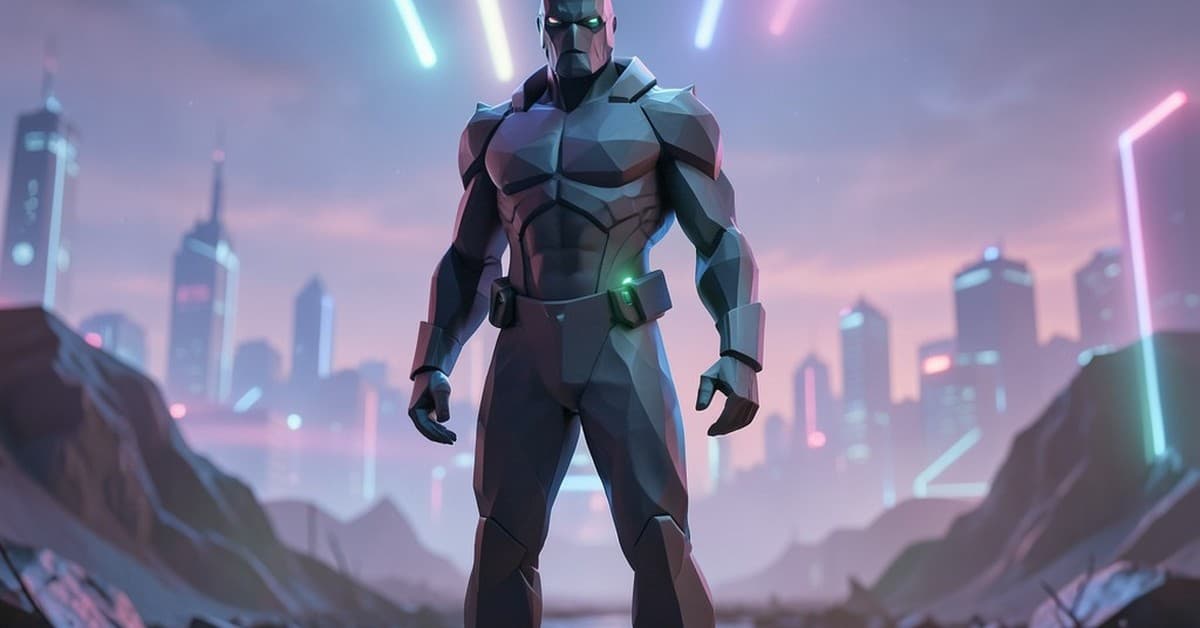
About Le Vertige and Quentin Dupieux
Dupieux's career has been marked by a penchant for the absurd, starting with his 2010 debut Rubber, a film that subverted expectations with its tale of a murderous tire. This approach has been consistent across his work, often teasing traditional genre tropes only to diverge into broader, more satirical explorations. Le Vertige continues this tradition, using animation created with Blender to poke fun at the relentless chase for realism in computer-generated imagery (CGI), especially in the era of AI-generated content.
Interestingly, Le Vertige was not Dupieux's only entry at Cannes; he also presented Full Phil, a live-action comedy featuring a star-studded cast including Kirsten Stewart, Woody Harrelson, and the comedic duo Tim Heidecker and Eric Wareheim. This film follows a millionaire's attempt to reconnect with his daughter during a Parisian vacation, showcasing Dupieux's versatility across different mediums and genres.
Diving into the World of Le Vertige
The choice of a low-poly aesthetic for Le Vertige is not merely stylistic; it serves as a commentary on the viewer's (and by extension, society's) acceptance of increasingly realistic CGI without questioning the underlying "reality." Jacques's struggles to awaken his friends to what he perceives as their simulated existence mirror broader themes of perception vs. reality, especially in an age where technological advancements blur these lines more than ever.
The use of Blender for animation also highlights Dupieux's approach to challenging conventional norms in film production, much like his narrative challenges to the status quo. By embracing a visibly "outdated" graphic style, Le Vertige visually represents the disconnect between the pursuit of graphical perfection and the essence of the story being told.
What This Means for Viewers and the Film Industry
Le Vertige's premiere at Cannes signals more than just Dupieux's expansion into animation; it highlights a growing interest in meta-fictional narratives that challenge viewers' perceptions. For audiences, Le Vertige promises a uniquely absurd yet thought-provoking experience, blending humor with philosophical inquiry. Industry-wise, it underscores the viability of satire in addressing technological and societal anxieties, potentially inspiring a new wave of films that leverage retro aesthetics to comment on modern dilemmas.
As the film industry continues to evolve with technological advancements, Le Vertige stands as a quirky, thought-provoking commentary on our relationship with reality and technology. Whether Jacques succeeds in his quest to awaken his friends remains to be seen, but Dupieux has undoubtedly succeeded in awakening curiosity about the boundaries between the simulated and the real.
Key Takeaways
- Le Vertige is Quentin Dupieux's first animated film, premiered at Cannes.
- The movie follows Jacques, a man convinced he's living in a low-poly video game simulation.
- Animated with Blender, the film satirizes the pursuit of CGI realism.
- Dupieux also presented Full Phil, a live-action comedy, at Cannes.
As Le Vertige makes its way through the festival circuit and potentially to wider releases, it will be intriguing to see how audiences and critics alike respond to its unique blend of absurd humor and philosophical depth. One thing is certain, however: Quentin Dupieux has once again managed to carve out a niche that is unmistakably his own, challenging viewers to question the world they see on screen and off.