
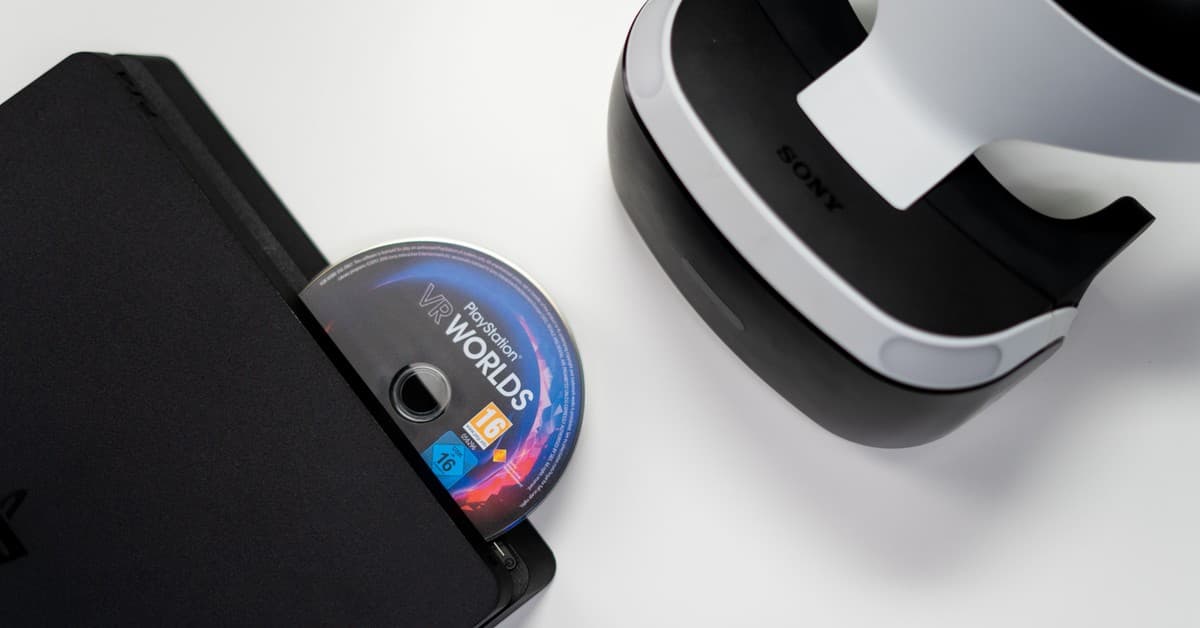
Sony's controversial decision to stop releasing PlayStation games on physical discs, effective for all new PS5 titles from January 2028 onwards, has intensified backlash from the gaming community and retailers alike. The UK's Digital Entertainment and Retail Association (ERA) has vehemently criticized this move, labeling it "a triumph of corporate convenience over consumer choice." According to ERA's CEO, Kim Bayley, this decision undermines consumer freedom, despite digital's growing dominance.
The online backlash is palpable, with a high-profile petition calling for Sony to reconsider exceeding 300,000 signatures. And also, numerous PS5 users have taken to social media to share screenshots of their cancelled PS Plus subscriptions in protest. ERA's stance, backed by data showing 25% of gamers under 25 still opting for discs, highlights the significant market for physical copies, valued at over £300 million in 2025.
Sony’s Disc Ban Exposes Retailer’s $2 Billion Hole
Sony's move to digital-only for new titles is expected to continue with the upcoming PS6, aligning with what the company describes as "shifting trends in consumer preference." Sid Shuman, Senior Director at Sony Interactive Entertainment Content Communications, justified the decision on the PlayStation Blog, citing the need to adapt to consumer trends where digital media significantly outpaces physical discs. But this rationale has done little to quell the outrage from those who value the tangibility and ownership associated with physical game copies.
"A disc can be shared with family, traded in, collected, preserved, and, importantly, still played years from now. A download licence often offers none of those freedoms."
Kim Bayley, ERA CEO
PlayStation's Disc Ban: $5B Revenue Push?
| Metric | Value |
|---|---|
| First-party digital revenue retention | 100% |
| First-party physical revenue retention | 65% |
| Third-party digital cut | 30% |
| Third-party physical licensing fee | 15% |
| Active PlayStation users | 120 million |
| PlayStation Plus subscribers | 50 million |
Analysts point to the significantly higher margins Sony stands to gain from digital sales. For first-party games sold digitally, Sony retains 100% of the revenue, compared to approximately 65% from physical sales after retailer and manufacturing costs. For third-party games, Sony's cut increases to 30% for digital sales, up from a licensing fee of around 15% for physical copies. This financial incentive is compelling, especially as console sales are anticipated to decline due to rising costs.
Dr. Serkan Toto, CEO of Kantan Games, suggested that even substantial subscriber backlash, such as half a million cancelled PlayStation Plus subscriptions, would merely constitute "a drop in the ocean" for Sony, given its vast user base of over 120 million active PlayStation users and 50 million PlayStation Plus subscribers.
Why Ditching Discs Just Cost Sony $100M
| Year | Digital Sales % |
|---|---|
| 2013 | 13% |
| 2025 | 80% |
Games industry analyst Piers Harding-Rolls of Ampere highlighted the stark shift in consumer behavior, with digital sales rising from 13% of total full game sales for Sony consoles in 2013 to almost 80% by 2025. While this trend supports Sony's decision, it does not alleviate concerns over choice, game preservation, and the impact on retailers. Robin Zhu of Bernstein bluntly stated that fans of physical media "had their chance" and that digital's superior margins make a reversal unlikely.
The EU's admission of being powerless to stop Sony, or any company, from ending disc sales further solidifies the likelihood of this decision standing. As the gaming industry watches, the implications for consumer choice, retail viability, and the preservation of gaming heritage hang in the balance.
Why Players Lose with Sony's Disc Ban
Above the financial and industry implications, the core concern for players is the erosion of choice. The removal of physical discs not only affects those who prefer or rely on them but also raises questions about the future of game ownership and accessibility. As one analyst put it, if gamers had supported physical media more vigorously, the outcome might have been different, underscoring a broader lesson about the importance of consumer voting with their wallets.
For now, Sony shows no signs of reversing its decision, leaving players, retailers, and the broader gaming community to adapt to a digital-forward future, whether by choice or necessity.
Retailers Rip Sony's "Lazy" Disc Ban
Beyond the numerical backlash, the emotional and practical impacts on gamers and retailers are palpable. ERA's board, comprising representatives from Amazon, GAME, HMV, and other retailers, sees this as not just a business challenge but a cultural shift away from the tangible aspects of gaming. For collectors, the end of an era is looming, with no clear alternative for those who value physical game ownership.
"Consumers deserve the freedom to choose how they buy their entertainment."
Kim Bayley, ERA CEO
PlayStation Fans Strike Back
As the dust settles, attention turns to Sony's next moves and the broader industry implications. Will other console manufacturers follow suit, or will they capitalize on the desire for physical media? Only time will tell, but for Sony, the path forward seems clear: a digital-centric future, with the company awaiting for the current storm of protest to pass.
For gamers and retailers, the immediate future involves adaptation. For those attached to physical copies, the race is on to secure desired titles before the digital-only policy takes full effect. The long-term implications, however, remain to be seen, hanging precariously between the convenience of digital and the cherished tangibility of discs.