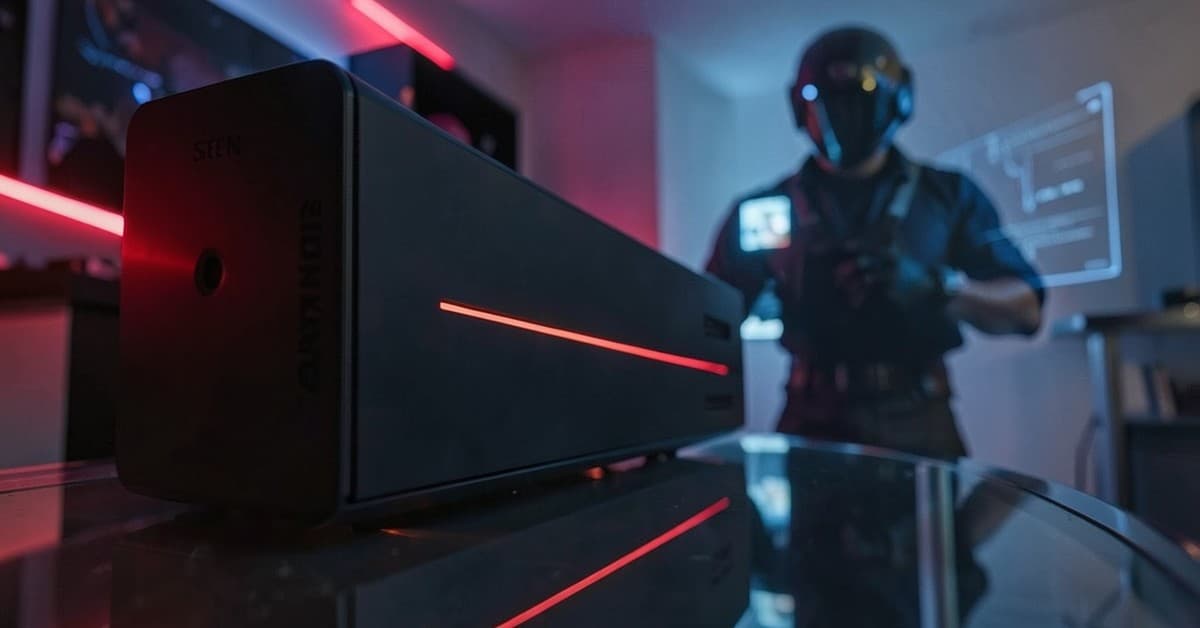
Last month, Valve began shipping the highly anticipated Steam Machine, a PC-console hybrid designed to bridge the gap between desktop gaming and console convenience, albeit with a substantial price increase. But the launch has been marred by a critical issue that drew immediate comparisons to one of gaming's most infamous hardware failures: the Xbox 360's "Red Ring of Death." For the Steam Machine, this manifestation is coined the "Red Line of Death," a glowing red indicator on the device's HAL 9000-inspired LED display, signaling a GPU failure.
Quick Facts
| Developer | Valve |
|---|---|
| Platform(s) | Steam Machine |
| Release Date | Last month |
| Price | much higher price tag |
"The Steam Machine was pretty cool for the 20 minutes that it worked."
me_hill, Reddit user
Their device failed after a mere 20 minutes of use, with the update process culminating in the ominous red line. Initially, this seemed to brick the console, but after leaving it unplugged for a day and attempting "BIOS stuff" as suggested by the community, the Steam Machine revived. me_hill reflected on the ordeal, "an ominous GPU error code wasn’t exactly the seamless plug-and-play experience I had hoped for." Despite the resolution, the user advised others, "don’t panic ... just let it sit for a few hours and it will somehow sort itself out."
Steam Machine's $500 Launch Killer
The "Red Line of Death" is more than just an unsettling aesthetic echo of the past; it signifies a critical hardware failure, specifically a GPU malfunction according to Valve's support guide for interpreting the Steam Machine's LED patterns. While the incidence rate appears lower than the Xbox 360's RRoD, which cost Microsoft over $1 billion, the similarity in failure indication is striking, especially given Valve's awareness of gaming history. Still, the GPU failure, often occurring after brief usage, underscores concerns about the device's reliability, especially at its premium price point.
The community's response to the Steam Machine has been divisive. On one hand, it's praised for its attempt to merge the accessibility of console gaming with the depth of PC gaming (and the complexity of Linux, for some). On the other, critics, including former Sony Interactive Entertainment president Shuhei Yoshida, have noted a performance step back from expected standards, compounding the disappointment with the high price tag, which Valve attributes to the current AI-driven hardware supply chain challenges.
Steam Machine's Fatal Flaw Exposed
The launch woes of the Steam Machine, particularly the "Red Line of Death," pose significant questions about Valve's quality control and the device's long-term viability. For players, the immediate concern is the reliability of their investment, given the short usage time before potential failure. The higher price point, justified by the current hardware market, further intensifies the scrutiny on the device's performance and durability. That said, the divide in community opinion reflects broader industry challenges in balancing innovation with stability and affordability.
Valve's decision to incorporate a failure indicator so reminiscent of a notorious gaming mishap is either brave or reckless, depending on one's viewpoint. But the community's mixed reaction and the device's technical issues suggest that Valve may need to reassess its approach to ensure the Steam Machine lives up to its promise. As me_hill's experience shows, while workarounds might temporarily resolve issues, they do not address the underlying problems that could impact player trust and adoption rates.
Steam Machine's Fatal Flaw Exposed
Prospective buyers are faced with a dilemma: wait for potential fixes and a possible price adjustment or dive in with the awareness of current flaws. The Steam Machine's innovative blend of PC and console gaming is undeniable, but its launch issues, coupled with the high cost, make it a risky purchase at present. For early adopters, the advice from me_hill to "not panic" at the sight of the red line offers some solace, but it's a temporary band-aid on a deeper wound. Valve must address these concerns swiftly to turn the Steam Machine's narrative around.
The comparison to the Xbox 360's RRoD is stark, not just in the visual cue of failure but in the potential long-term impact on consumer trust and the financial burden on the manufacturer. Unlike Microsoft's console, which was more widely adopted before the RRoD issue became prevalent, the Steam Machine's high price and niche market position make recovery more challenging. Valve's response to these launch issues will be important in determining the device's success.
Valves $499 Gamble with a Death Line
The divisive response to the Steam Machine encapsulates the broader challenges in the gaming hardware sector—innovation versus reliability, accessibility versus performance. While some applaud Valve's daring step into uncharted territory, others lament the missteps, especially given the premium asking price. Shuhei Yoshida's commentary on the performance step back underscores the high expectations surrounding the device, expectations that are currently unmet.
Historically, the Xbox 360's RRoD led to a significant overhaul in Microsoft's manufacturing and warranty processes. For Valve, learning from this precedent means prioritizing a swift and transparent fix for the GPU issue, alongside a reevaluation of the device's pricing strategy to align better with the perceived value by consumers.