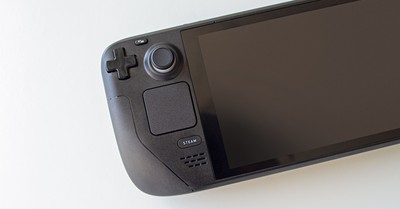
PC hardware pricing has gone from bad to surreal in 2026. RAM prices skyrocketed in January, and the AI-driven memory crunch that analysts expected to last into 2027 now looks like the optimistic forecast. The Steam Machine launched at $1,049 without a controller, and the Xbox Series X 1TB model just climbed to $800 — console pricing, historically insulated from PC component swings, is feeling the same pressure. For anyone looking to upgrade or build new, the market is effectively closed.
But there's a sharp divide in the experience. If you already own a decent gaming PC, handheld, or current-gen console, 2026 is quietly one of the best years in recent memory to simply play games. Major titles are launching with strong optimization for lower-end hardware, and developers are adding solid graphics menus that let players tune performance to their specific rig. The crisis in hardware availability has, perversely, created a golden moment for software compatibility — if you can run games today, you'll likely run them for years to come.
2026 GPU Prices: The $1,200 Reality Check
The numbers coming out of the supply chain are grim.
| Metric | Value |
|---|---|
| Retail RAM supply lag | 3 to 6 months behind bulk supply |
| Xbox manufacturing cost increase | 5 times higher by end of 2027 |
"Retail RAM supply lags bulk supply by three to six months, meaning the pricing pain visible on store shelves today reflects wholesale conditions from late 2025."
Yazan Aldehayyat, Valve Engineer
"Xbox manufacturing costs will be five times higher by the end of 2027 than they were previously."
Asha Sharma, Microsoft CEO
In California, a class‑action suit accuses Micron, Samsung and SK Hynix of colluding to inflate prices. The claim has happened before in the memory sector, but even if the court rules in favor of consumers, it won’t change the price you pay at the store for months.
The practical upshot: there is no near-term relief. Past hardware shortages eventually eased as supply caught up, but the AI gold rush is driving simultaneous price increases across RAM, SSDs, CPUs, and GPUs. The old advice — upgrade other components while you wait for GPU or RAM prices to normalize — no longer applies when every category is inflating together. The rational move for most players is to hold onto existing hardware and wait out a cycle that could stretch well past 2027.
PC Gaming Actually Feels Good Right Now
Despite the hardware squeeze, the software side tells a different story. Over the last six months, major releases have shown surprising scalability. Crimson Desert ran smoothly across a range of configurations despite visual glitches on Intel graphics cards at launch. Pragmata, Forza Horizon 6, and the recent Black Flag remake all performed well on lower-end hardware without significant compromises. Developers appear to be optimizing for the installed base — older GPUs, mid-range laptops, and handheld PCs — rather than chasing advanced specs that few players can afford.
This trend makes strategic sense. With hardware prices climbing, the addressable market for ultra-high-end requirements is shrinking. Studios that target broader hardware compatibility reach more buyers, and the current console generation entering its later years means the baseline performance target hasn't moved significantly. For players, this means more games run well out of the box, and the expanded graphics menus now standard in major releases let you trade visual fidelity for frame rate with granular control.
Why 2026 Finally Matters For PC Owners
Not every title is following the accessibility trend. The Blood of Dawnwalker lists steep system requirements that will exclude older rigs, and Metro 2039 is expected to push hardware hard when it arrives. These outliers matter — they represent the games that will force upgrades for enthusiasts chasing maximum fidelity. But they remain exceptions in a year where the majority of high-profile launches have prioritized scalability. The divide between "games that need new hardware" and "games that run on what you have" is widening, and players can increasingly choose which side of that line they want to engage with.
For the foreseeable future, the smart play is maintenance over migration. Keep your current rig clean, updated, and running cool. Learn the graphics settings that matter most for your specific hardware — resolution scaling, shadow quality, and texture streaming budgets often yield the biggest gains for the smallest visual loss. The optimization trend shows no sign of reversing while hardware prices stay elevated, and every month you extend your current build's useful life is a month you avoid the worst pricing environment in a decade.
Key Takeaways
- RAM prices skyrocketed in January 2026 and the AI-driven crisis is expected to last into 2027
- Steam Machine launched at $1,049 without controller; Xbox Series X 1TB increased to $800
- Major 2026 releases including Crimson Desert, Pragmata, Forza Horizon 6, and Black Flag remake run well on lower-end hardware
- Class action lawsuit filed against Micron, Samsung, and SK Hynix for alleged price fixing
The hardware market is broken for buyers, but the software market is adapting. If you have a capable PC today, you're in a better position than anyone trying to enter the hobby — and you'll likely stay that way for years.