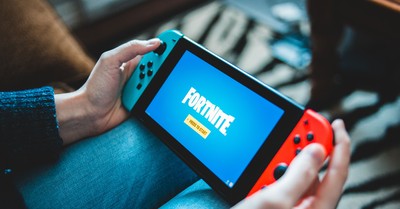
Epic Games, the developer and publisher of the immensely popular battle royale game Fortnite, has successfully settled a lawsuit against a former contractor, Hayden Cohen, accused of leaking sensitive information regarding unannounced collaborations within the game. These leaks pertained to upcoming partnerships with notable IPs such as Minecraft, Ben 10, and Game of Thrones, highlighting the significant trust breach given the confidential nature of such pre-release information.
The settlement, awaiting judicial approval, imposes stringent conditions on Cohen, explicitly prohibiting the possession, access, use, or disclosure of any of Epic Games' confidential or trade secret information. Notably, this injunction also extends to preventing the transfer of such information to any third party, underscoring Epic's diligence in protecting its intellectual property and that of its partners. For players, this means that future collaborations will be less likely to suffer from premature reveals, preserving the excitement of official announcements.
Epic's High-Stakes Battle Over Fortnite Secrets
The leaks in question, which included details of the Minecraft, Ben 10, and Game of Thrones collaborations, were deemed a severe breach of confidentiality by Epic Games. In response, the company pursued legal action to safeguard its interests and those of its partnering IPs. As Natalie Munoz, an Epic Games spokesperson, clarified:
"We took legal action against the former contractor who repeatedly leaked confidential partner IP and trade secrets that they received while working with Epic."
Natalie Munoz, Epic Games Spokesperson
This statement underscores the gravity with which Epic viewed the situation, emphasizing the repeated nature of the leaks and the sensitive information involved. The legal pursuit was not merely about addressing past transgressions but also about preventing future occurrences by setting a clear precedent.
Epic Pays $500K to Stop Leaks
The agreed-upon settlement focuses primarily on restrictive measures rather than financial compensation. While the initial lawsuit sought damages to cover "actual loss and unjust enrichment," the proposed injunction's approval by the court would fulfill Epic's primary objective of ensuring the confidentiality of its projects. But the absence of mentioned compensation suggests that the immediate halt of leaks and future prevention were Epic's priorities over monetary reparation.
Key aspects of the settlement include:
- Confidentiality Injunction: Prohibits Cohen from possessing, accessing, using, or disclosing Epic's confidential information.
- Third-Party Restriction: Explicitly bars the sharing of such information with any third party.
- Judicial Approval Pending: The settlement awaits court approval to become enforceable.
Fortnite’s Leak Fiasco: A $1.3M Wake-Up Call
This settlement has broader implications for the gaming industry, particularly in how companies protect confidential information and collaborate with external contractors. For Fortnite, it reinforces the game's ability to surprise its community with well-guarded collaborations, a key aspect of its appeal and marketing strategy. Players can expect more controlled, official reveals of future partnerships, enhancing the game's event-driven engagement model.
And also, the case serves as a cautionary tale for contractors and employees handling sensitive project information across the industry. It highlights the legal consequences of breaches and the proactive measures companies like Epic Games are willing to take to protect their IP and partnership trusts.
Epic's Big Payday for Fortnite Secrets
As Epic Games moves forward with this settlement, the community of Fortnite players can anticipate that upcoming collaborations will be unveiled on Epic's terms, without the precursor of unauthorized leaks. This maintains the game's capacity to generate hype around its thematic seasons and crossover events, a important element of its enduring popularity.
The approval of the settlement by the court will mark a formal end to the legal chapter, but its impact on Epic's internal security protocols and external collaborations may be more lasting. Whether this leads to more stringent background checks for contractors or enhanced encryption methods for shared project data remains to be seen, but one thing is clear: Epic Games will continue to vigorously defend its intellectual property.