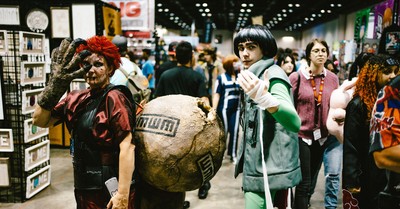
Japan's Ministry of Foreign Affairs has formally demanded the U.S. government stop using characters from Mario, Pokémon, and Naruto in official social media posts without permission, warning that such unauthorized use risks damaging these iconic Japanese intellectual properties. The requests, made at least twice in June 2025 through the U.S. Embassy in Japan, mark an escalation in diplomatic pressure that began months earlier. For players and fans who have watched these franchises become global cultural touchstones, the dispute raises uncomfortable questions about how beloved characters get weaponized in political messaging without creator consent.
The Japanese government's intervention follows a pattern of U.S. government accounts deploying Japanese pop culture icons in pro-war and policy-related content throughout 2025. The White House X account posted Wii Sports footage intercut with Operation Epic Fury airstrike footage in March, while the Department of Homeland Security shared a Pokémon mashup featuring Ash Ketchum alongside ICE raid footage set to the franchise's theme song in September. President Trump later shared an AI-generated video depicting himself as Naruto on Truth Social in June. These posts prompted formal complaints from rights holders including The Pokémon Company, which confirmed it never granted permission for the DHS post, as well as Yu-Gi-Oh's official account and Master Chief voice actor Steve Downes.
Brand Bosses Demand DC Stops Screwing Up Japan's Moneymakers
Minister for Foreign Affairs Toshimitsu Motegi first raised the issue in a parliamentary session in April, directly referencing the pro-war video that used Nintendo's Wii Sports footage.
"It's inappropriate even for public institutions to reproduce copyrighted materials without the rightsholders' consent,"
Motegi stated
establishing the government's position that copyright law applies equally to state actors. The Mainichi Shimbun reported this week that the Ministry followed up with at least two additional formal requests in June, specifically naming Naruto, Pokémon, and Mario as IPs the U.S. administration should cease using in policy and pro-war content.
Kimi Onoda, Japan’s Cabinet Minister, told reporters on June 12 that obtaining permission from the copyright holder is the underlying principle for fair use. She said the government has repeated this request to the United States on several diplomatic visits, leaving no room for confusion. These
Meme Crisis Hits Nintendo Brand
The diplomatic response did not emerge in a vacuum. Self-described manga and anime fan Nana Suzuki launched the "Protect Japanese Manga" petition on Change.org in March 2025, which garnered international coverage from outlets including the New York Times and BBC. Suzuki submitted the petition to the Japanese Cabinet Office that same month and alerted Japanese politicians to the unauthorized IP usage, creating domestic political pressure that likely accelerated the Ministry's formal diplomatic démarche. The petition reopened in June as an "urgent effort" after the Naruto AI video circulated, demonstrating sustained fan engagement.
Japanese fan backlash has been specific and organized. Pokémon fans explicitly called for The Pokémon Company to sue the U.S. government over the DHS post, while the Yu-Gi-Oh official account and Steve Downes publicly objected to their IP's inclusion in the White House's March pro-war montage. This creator-and-fan alignment gives the Japanese government's position moral weight — it's not merely a trade dispute but a defense of creators' rights backed by the communities that sustain these franchises commercially and culturally.
Meme Crisis Threatens Mario, Pokémon, Naruto Brands
Trump administration spokesperson Abigail Jackson defended the meme strategy, arguing that "through engaging posts and banger memes, we are successfully communicating the president's extremely popular agenda. There's a reason so many people try to copy our style — our message resonates." This framing treats unauthorized IP use as a tactical communications win rather than a legal or ethical violation. The disconnect is stark: where Japanese officials and rights holders see copyright infringement and brand dilution, the U.S. administration sees effective political messaging.
The Pokémon Company's denial of permission for the DHS post closes off any plausible claim of implicit consent. With diplomatic requests now documented across multiple months and specific franchises, the legal and diplomatic record increasingly favors Japan's position. Rights holders could pursue formal legal action, though suing a sovereign government presents jurisdictional complexities. More immediately, the repeated diplomatic protests create a paper trail that strengthens Japan's hand in any future trade or cultural policy negotiations — and signals to other nations that Japan will defend its creative industries' intellectual property at the state level.
Key Takeaways
- Japan's Ministry of Foreign Affairs formally requested the U.S. stop using Mario, Pokémon, and Naruto IPs at least twice in June 2025 via the U.S. Embassy in Japan
- The White House X account posted Wii Sports footage with Operation Epic Fury airstrike footage in March 2025; DHS posted a Pokémon/ICE raid mashup in September 2025
- Trump shared an AI-generated video of himself as Naruto on Truth Social in June 2025, triggering renewed diplomatic and fan backlash
- The Pokémon Company, Yu-Gi-Oh's official account, and Steve Downes have all publicly objected to unauthorized use of their IP
What happens next depends largely on whether the U.S. administration treats the diplomatic protests as noise or as a serious legal and reputational risk. The Japanese government has made its position clear through multiple formal channels over several months. Rights holders have denied consent on the record. Fans have mobilized internationally. For an industry that generates billions in global revenue and immense soft power, the calculation is straightforward: uncontrolled political usage dilutes brand value and sets a precedent that any government can appropriate these characters for any message. The ball is in Washington's court — and the next meme post will tell us whether they're listening.