
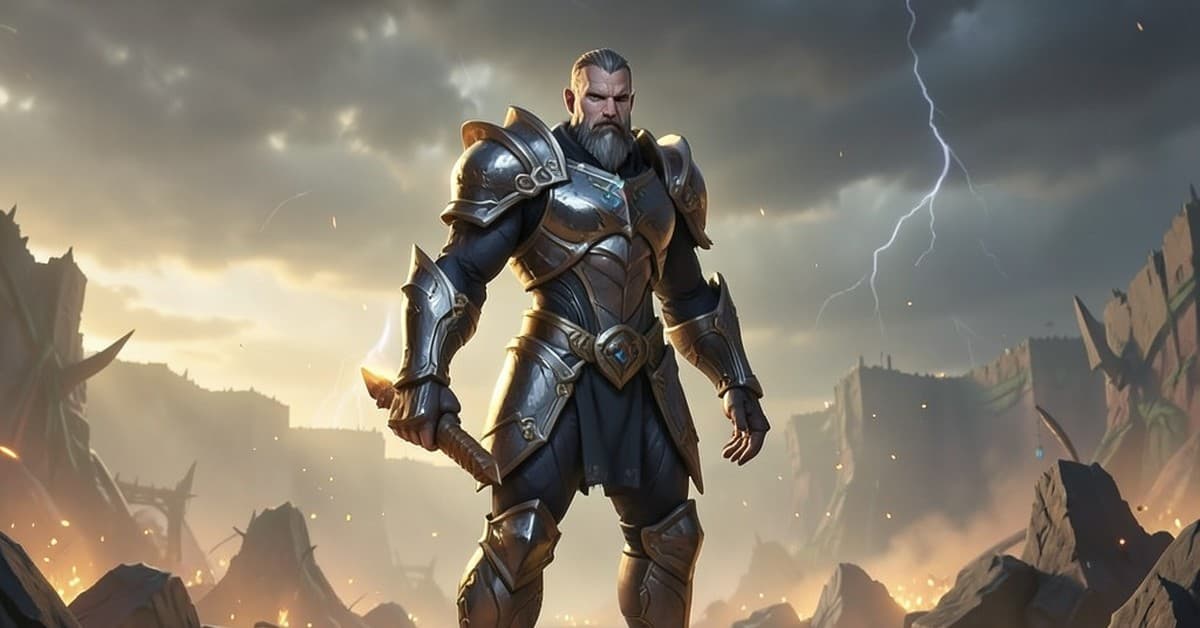
League of Legends, the iconic MOBA developed by Riot, is taking a deliberate step back from the prevalent gaming trend of incorporating a plethora of third-party collaboration skins. This decision, as explained by August Browning, Lead Designer of League of Legends, hinges on the potential for these skins to drastically alter the game's inherent tone and identity. Unlike games such as Fortnite, which has featured crossovers with Goku and Ariana Grande, and Overwatch, known for its anime and K-pop themed skins, League of Legends aims to maintain its unique aesthetic and thematic consistency.
Quick Facts — League of Legends
| Developer | Riot |
|---|---|
| Platform(s) | PC |
| Genre | MOBA |
This stance is particularly noteworthy given the broader gaming landscape, where collaborations between videogames and external IPs, celebrities, or brands have become increasingly common. Examples range from Nicki Minaj's appearance in Call of Duty to Final Fantasy 14's upcoming Evangelion raid series. However, Riot's approach, as highlighted by Browning, emphasizes the importance of preserving the game's core identity. "The second you do third-party skins, the tone of your game completely changes," Browning stated during a Twitch stream, reflecting on the strategic decision to avoid such collaborations.
What Was Announced
Riot's Lead Designer, August Browning, clarified the company's stance on third-party skins during a stream, emphasizing the potential tone shift such collaborations could induce. Historically, while League of Legends has explored skins inspired by other media (notably the Louis Vuitton skin for Sena and a Swain skin resembling "certain chicken establishments"), it has stopped short of direct character crossovers from other IPs.
Browning's comments underscore a deliberate design choice, distinguishing League of Legends from the broader trend seen in games like Fortnite and Overwatch. This decision is rooted in the desire to maintain the game's unique tone, suggesting that the introduction of third-party character skins would blur the lines of its established identity.
Key Details
- No Direct Third-Party Character Skins: Riot is hesitant to include skins directly inspired by other game IPs or celebrities to preserve the game's tone.
- Existing Inspirations, Not Crossovers: Skins like the Louis Vuitton skin for Sena and the Swain skin inspired by "certain chicken establishments" show a preference for indirect influences.
- Comparison to Other Games: Browning referenced Fortnite and Overwatch as examples of games with a different tonal approach due to their crossover skins.
Why It Matters
Browning's stance on third-party skins reflects a broader consideration of game identity in the era of cross-media collaborations. For players invested in League of Legends, this means a continued emphasis on the game's internal narrative and aesthetic coherence. The decision also highlights the challenge faced by live-service games in balancing the appeal of crossover content with the need to maintain a distinct gaming experience.
The implications extend beyond League of Legends, speaking to the industry's trend towards homogenization through collaborations. Browning's comments suggest a mindful approach to preserving the unique selling points of a game, even in the face of a profitable trend. This strategy could influence how other developers weigh the benefits and drawbacks of third-party collaborations.
Player Experience Implications
The decision to avoid third-party character skins means that the player base of League of Legends can expect a more cohesive and consistent thematic experience. Unlike in Fortnite, where the presence of Goku or Jinx from League of Legends itself might attract players from other fandoms, League of Legends players will not see their champions transformed into characters from wholly different universes. This maintains the game's focus on its internal lore and character development, potentially appealing to players who value depth and consistency in the game's world.
Furthermore, this stance against trend-following could enhance player loyalty, as the game's commitment to its unique identity is likely to resonate with its dedicated community. Players seeking a pure League of Legends experience, without the distraction of crossover content, will find this decision reassuring.