Nintendo's Brain Training series, led by Professor Ryuta Kawashima, has long emphasized the importance of cognitive exercises for a healthier brain. In a surprising turn, Kawashima's latest research highlights an unconventional yet effective way to keep your brain sharp: driving a manual transmission car. A study conducted by Kawashima’s team at Tohoku University’s Institute of Development, Aging and Cancer compared brain activity while driving manual and automatic vehicles, with compelling results favoring the former.
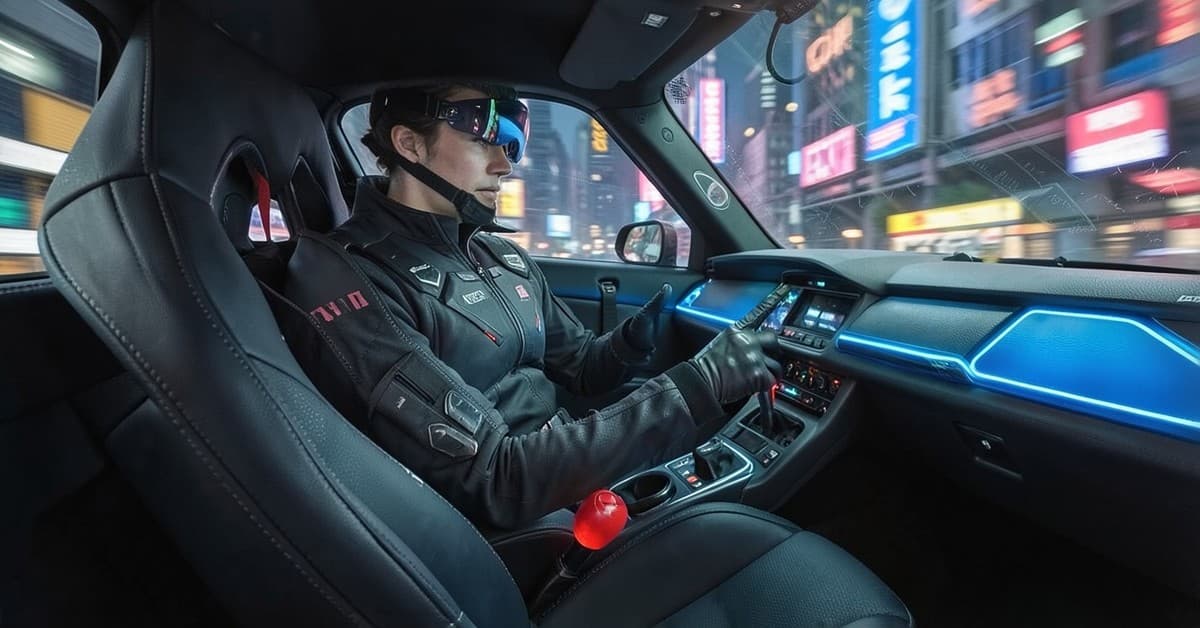
The core of the research lies in the engagement of the prefrontal cortex, the brain region responsible for memory, decision-making, and attention. Driving a manual transmission car requires a complex interplay of decisions (selecting the appropriate gear based on the situation) and physical coordination (simultaneously operating the clutch pedal and gearstick while controlling acceleration). This multifaceted process "lights up" the prefrontal cortex in a way that driving an automatic car does not, according to Kawashima. As he explains, "You have to judge and then pick the optimal gear according to the situation, and this puts a better load on the brain's cognitive functions than driving a passive automatic transmission car." This heightened cognitive engagement has "a significant effect on maintaining mental health and cognitive function," making it a valuable activity for combating cognitive decline.
Kawashima's Shocking Brain Age Findings
Professor Ryuta Kawashima, a neuroscientist, gained widespread recognition through the development of the Brain Age and Dr. Kawashima’s Brain Training series, primarily released on Nintendo platforms between 2003 and 2020. Here's the thing: these games were designed to challenge players' brains with various puzzles and exercises, aiming to improve cognitive function in a fun, accessible way. Kawashima's transition from digital brain training to highlighting the cognitive benefits of a physical activity like manual driving underscores the broad spectrum of activities that can support brain health.
Kawashima's work with Nintendo underscored the importance of regular cognitive exercises for maintaining a healthy brain, particularly in aging populations. His latest research extends this principle into a daily activity, suggesting that the decline in manual transmission vehicles could have unintended consequences on public health, especially considering the global aging population and the prevalence of dementia.
<strong>Why Your Brain Ages Faster in Automatic Cars</strong>
The study's findings are rooted in the complexities of driving a manual car. Unlike automatic vehicles, which passive the gear-shifting process, manual cars demand constant engagement from the driver. This engagement is not just physical but deeply cognitive, involving continuous assessment of the driving environment to decide on the appropriate gear. Each gear shift requires a deliberate decision, followed by the coordinated use of the clutch and gearstick, further enhancing the cognitive workout.
"You have to judge and then pick the optimal gear according to the situation, and this puts a better load on the brain's cognitive functions than driving a passive automatic transmission car," Kawashima noted in an interview with Japanese news site Best Car Web, encapsulating the essence of the study's findings.
Better: 'Manual Cars Boost Brains
Despite the benefits highlighted by Kawashima's research, manual transmission cars are increasingly less common, especially in countries like the U.S. and Japan, where they account for only 1% to 2% of new car sales. Worth noting: this decline poses a challenge for those seeking to use driving as a form of cognitive exercise. For individuals without access to a manual transmission vehicle, the study suggests an alternative: certain video games can offer similar cognitive benefits. Previous research has shown that action games can improve cognitive function and increase gray matter, while titles like Animal Crossing (as highlighted by a 2020 Oxford University study) may even support mental health.
For fans of Nintendo's Brain Training series, this news might serve as a reminder of the series' core message: cognitive health can be maintained and improved through a variety of challenging activities, both digital and physical. As the global population ages, innovative and accessible ways to support brain health will become increasingly important.
<strong>Why Your Brain Loves Manual Over Automatic</strong>
Kawashima's study offers a dual takeaway. For gamers who have engaged with Brain Training titles, it reinforces the idea that cognitive health is multifaceted and can be supported through diverse activities. For the broader public, especially in regions where manual cars are rare, it underscores the need for alternative, engaging cognitive exercises—whether through gaming, puzzles, or other challenging hobbies.
The implications are particularly significant for aging populations, where the risk of dementia and cognitive decline is higher. Engaging in activities that challenge the prefrontal cortex, like manual driving or strategic gaming, could play a important role in preventive healthcare. As Kawashima's work with Nintendo has shown, making these exercises enjoyable and accessible is key to encouraging widespread participation.
In a world where automatic transmissions dominate and gaming often faces scrutiny for its health impacts, Kawashima's research provides a balanced view, highlighting the potential benefits of both a traditional, physically engaging activity and the cognitive training offered by well-designed video games.
1. Brain Boost Behind the Wheel
- Driving a manual transmission car activates the prefrontal cortex more than driving an automatic, benefiting memory, decision-making, and attention.
- Professor Ryuta Kawashima, known for Nintendo's Brain Training series, led the research highlighting these cognitive benefits.
- Manual cars are in decline globally, with less than 2% of new sales in the U.S. and Japan.
- Video games, especially action and strategy titles, offer an alternative for cognitive exercise.
As the world navigates the challenges of an aging population and the quest for innovative healthcare solutions, Kawashima's study serves as a timely reminder of the interconnectedness of our physical and cognitive activities. Whether through the gears of a manual car or the challenges of a video game, maintaining a healthy brain is within reach, one engaging activity at a time.