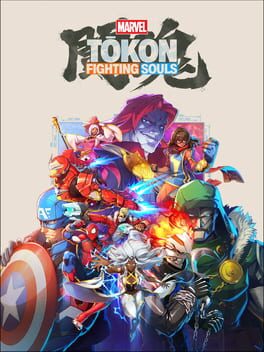
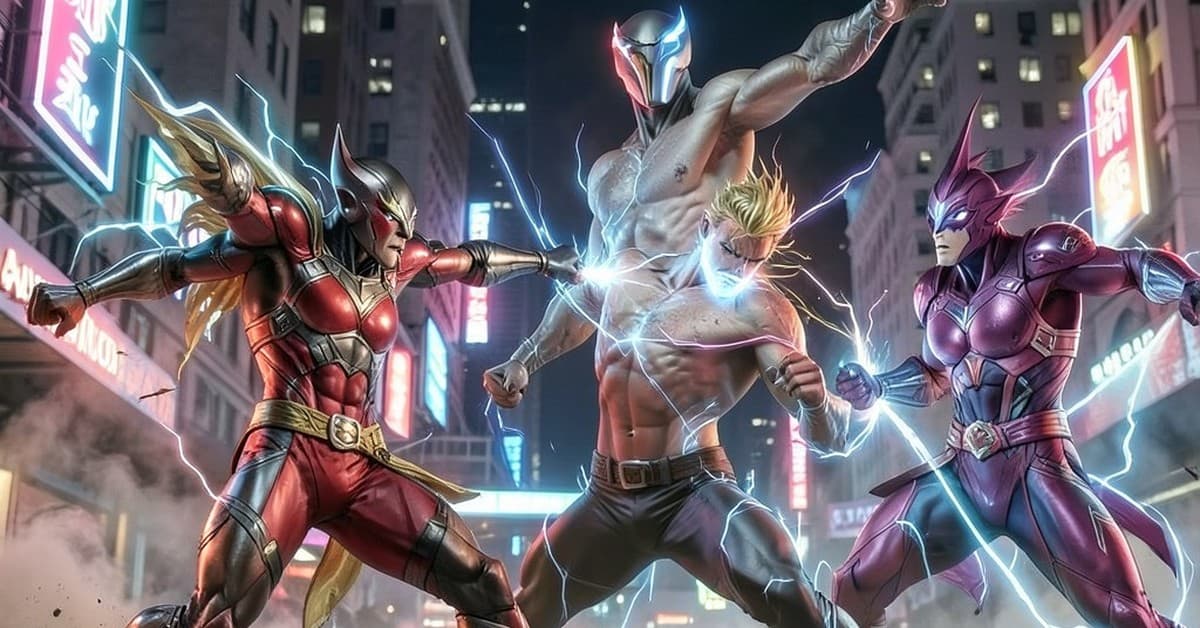
ArcSystem Works has built a reputation for fighting games that reward laboratory work, and Marvel Tokon: Fighting Souls continues that tradition with a 4v4 tag system that fundamentally rethinks how team composition works. The recent open beta on PC gave players their first extended look at a game that shares a single lifebar across four characters, open ups assist slots through specific in-match actions, and gates its most powerful tools behind an Assemble meter that grows as you bring more fighters into the fray. Mitchell Saltzman, editorial producer at IGN, put in many hours during the beta and came away with a clear takeaway: "its fighting is a lot of fun," even if the journey to competency demands patience.
Quick Facts — Marvel Tokon: Fighting Souls
| Developer | ArcSystem Works |
|---|---|
| Platform(s) | PC |
| Genre | Fighting |
The significance here extends beyond another Marvel-licensed brawler. Fighting games have long struggled with the barrier of entry that comes from needing to master multiple characters for tag play, and Tokon's shared lifebar directly addresses that pain point. For players who bounced off Marvel vs Capcom Infinite's complexity or found Dragon Ball FighterZ's three-character teams overwhelming, the ability to compete with a single well-practiced character — while still rewarding deeper team combination — could be the design breakthrough the genre needs. The full review arrives early next week, but the beta already reveals a game with distinct identity.
What Is Marvel Tokon: Fighting Souls?
Marvel Tokon: Fighting Souls is a 4v4 tag fighting game developed by ArcSystem Works for PC, positioning itself as the latest entry in the long lineage of Marvel fighting games. The core premise revolves around teams of four characters who share a single health pool, eliminating the traditional tag-fighter dynamic of swapping damaged characters out to recover. Matches begin with only two characters per team available, with the remaining two open uped by landing light auto-combos, triggering stage transitions or wallsplats, connecting throws, or losing a round. Each open uped character adds a bar to the Assemble meter, which governs assist calls during combos and block pressure.
Genre placement matters; it’s not a shallow, entry‑level fighter even though it feels easy to start. Saltzman calls it a “very mechanics‑driven game that’s not always intuitive,” and the assist system’s hyper‑specific rules confirm that claim. If you’ve played Marvel vs Capcom, Dragon Ball
<strong>ArcSys 4v4 Messes With Tag Mechanics</strong>
The shared lifebar is the foundation everything else builds on. By removing the ability to heal off-screen, Tokon forces matches toward decisive conclusions and prevents the drawn-out affairs that plague traditional 4v4 formats. It also solves the competitive mandate of learning multiple characters — you can reach a functional level with just one fighter, as Saltzman demonstrated by starting exclusively with Spider-Man. He learned high-low mix-ups, bread-and-butter combos, and web-zip movement, then took that foundation online. When that ceiling appeared, he returned to training mode for Blade, adding layers piece by piece. "This process of being able to start with a small foundation and build upon it is the ideal way to learn a fighting game, and Tokon feels designed specifically for it," he noted.
The assist system introduces friction that feels intentional but may frustrate. Before each match, you assign four characters to positions: Leader (current point character), Shooter (projectile assist), Vertical (anti-air coverage), and Assault (most powerful assist). These neutral assists cost no meter but only trigger in neutral state — standing or walking without button inputs. Calling an assist during a combo or on block recovery consumes an Assemble meter bar and triggers a universal dash-attack assist instead. The timing window is unforgiving: too early or too late and nothing comes out. This precision requirement extends to the active tag system, which lets you briefly control the assist character on screen. Saltzman compared it directly to 2XKO: "In 2XKO, you can basically swap to the assist character at any point, enabling some really tricky mix-up opportunities. Tokon, on the other hand, seems to be much more hesitant to allow these kinds of unrestrained mix-ups... it does lead to an active tag system that feels awkward, unintuitive, and less fun on the offensive side of things."
Character open up conditions create a natural pacing to each match. Light auto-combos, corner wallsplats, throws, and round losses each bring a new fighter into play, expanding your assist options and Assemble meter. This means losing a round isn't purely punitive — it grants access to your full roster for the next round, a comeback mechanic that keeps matches competitive. The stage transition and wallsplat triggers also encourage positional play, rewarding players who can maneuver opponents toward corners and environmental hazards.
Graphics Still Look Like 2022
ArcSystem Works' visual pedigree shows in every character. "Every character oozes style," Saltzman wrote, and the examples bear that out: Spider-Man zips across stages and baits anti-airs by hanging from webs before jumping off; Storm manipulates weather to push and pull objects, enemies, and even snatches opponents from half-screen away with a command-grab gust; Magneto fills the screen with metallic debris he weaponizes mid-combo. These aren't just reskins of existing archetypes — each fighter feels authored to match their comic counterpart's toolkit while remaining distinct in gameplay terms.
PC performance during the open beta raised concerns. Saltzman explicitly plans to "test the PC performance on live servers thoroughly given the issues that plagued the platform during the most recent open beta." No specific frame-rate targets or resolution scaling details were provided in the beta build, but the mention of platform-specific issues suggests optimization work remains before launch. The full review will address whether those problems persist on live infrastructure.
Assists Break the Flow
The assist system's complexity is the most immediate barrier. Saltzman, a veteran of Marvel vs Capcom, Dragon Ball FighterZ, 2XKO, and "many more" tag fighters, found it "a lot to take in" and described the rules as "hyper specific" and "overwhelming for newcomers." The position-based neutral assists, the meter-cost distinction between neutral and combo assists, the universal dash-attack substitution, and the tight timing windows all stack into a cognitive load that fights against the game's otherwise progressive learning curve. A player who masters Spider-Man's neutral game still has to internalize when and how to call each assist type without dropping the input.
The active tag restriction compounds the frustration. By limiting when you can swap to your assist character, Tokon removes the creative mix-up potential that makes tag fighters exciting on offense. Saltzman's critique is direct: the system "feels awkward, unintuitive, and less fun on the offensive side of things." The design rationale — preventing chaos with three assist characters available — makes sense on paper, but the result feels like a solution that dulls the very toolset that makes tag fighters unique. Players coming from 2XKO's freer tagging will likely feel the constraint most acutely.
PC performance issues during the beta remain an open question for launch. Without specifics on the nature of the problems — frame drops, connection instability, input latency — it's impossible to gauge severity. But any fighting game launching with platform-specific technical debt starts at a disadvantage, especially in a genre where frame-perfect inputs define competitive viability.
Verdict
Marvel Tokon: Fighting Souls earns its place in the Marvel fighting game lineage through character authenticity and a shared-lifebar system that genuinely lowers the barrier to entry without sacrificing depth. The progressive open up structure — both within matches and across a player's learning curve — is smart design that more fighting games should study. But the assist system's hyper-specific rules and the neutered active tag mechanic create friction that feels at odds with the game's own philosophy of building competence piece by piece. PC performance remains an unknown variable. For players who value character expression and don't mind laboratory work to master assist timing, Tokon offers a fresh take. For those who want the freewheeling tag chaos of Marvel vs Capcom 2 or 2XKO, the restrictions may feel like a straitjacket. The full review early next week will determine whether story mode, training tools, and the online lobby elevate the package — or whether the beta's promise remains partially unfulfilled.