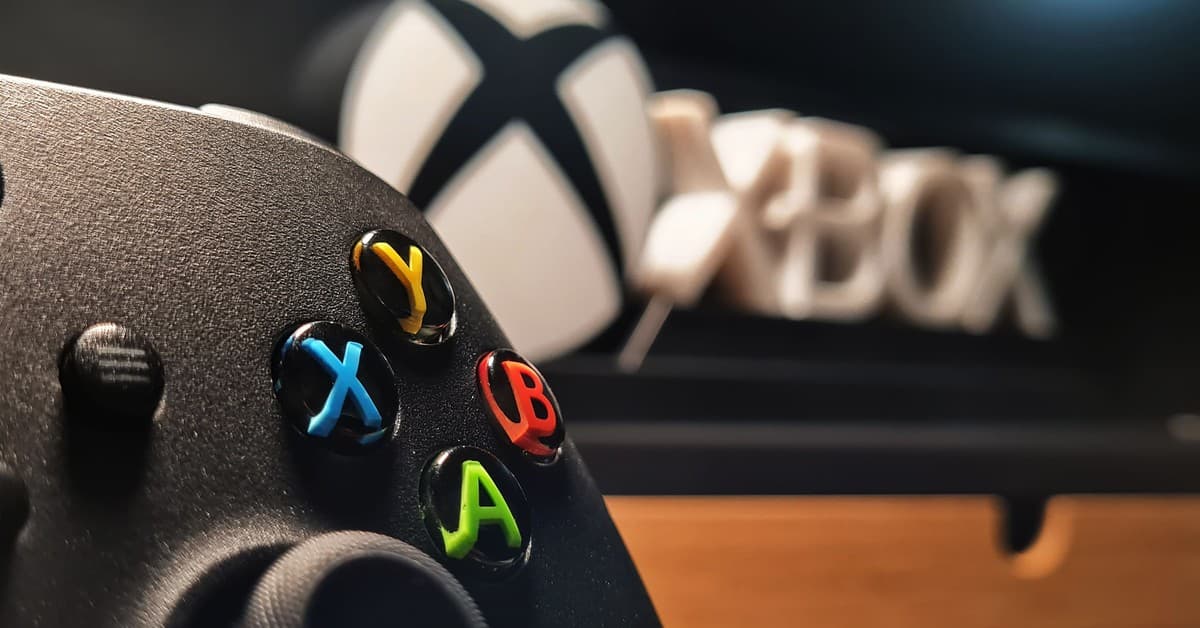
Microsoft's monumental $80 billion bet on Xbox Game Pass, a bold endeavor to transform the gaming landscape through subscription-based access, has not borne the fruit the company had anticipated. This substantial investment, spread across acquisitions, content development, and service infrastructure, was designed to cement Xbox Game Pass as the go-to platform for gamers seeking unlimited gaming at a fixed monthly cost. But as the service's growth and revenue fail to meet expectations, Microsoft is now faced with the daunting task of recalibrating its gaming division's strategy.
The allure of Xbox Game Pass, with its promise of a vast, constantly updated library of games for a flat fee, was expected to attract a massive subscriber base, potentially disrupting traditional game purchasing habits. While the service has indeed garnered a significant following, the numbers have not escalated at the pace Microsoft had projected, especially considering the vast resources allocated. This shortfall underscores the challenges inherent in predicting consumer behavior in the gaming market and the high stakes of innovative, yet untested, business models.
Microsoft's $80 Billion Xbox Misstep
| Metric | Value |
|---|---|
| Total Investment | $80 billion |
| ZeniMax Media Acquisition | $7.5 billion |
The $80 billion figure encompasses not just the development and operational costs of Xbox Game Pass but also significant acquisitions aimed at bolstering the service's content library. Notably, the purchase of ZeniMax Media, parent company of Bethesda Softworks, for $7.5 billion, was a key strategic move to secure exclusive titles for the platform. But the integration of Bethesda's IPs and the exclusivity strategy have yet to substantially boost the service's attractiveness to the scale anticipated.
And the investment includes the enhancement of Microsoft's gaming infrastructure, including cloud gaming capabilities through xCloud, intended to make Xbox Game Pass accessible across various devices beyond traditional consoles. Despite technological successes, the broader adoption of cloud gaming has been slower than anticipated, contributing to the overall underperformance of the investment.
Xbox Game Pass Burns $80 Billion Hole
The underwhelming performance of Xbox Game Pass, despite its considerable backing, sends a mixed signal to the gaming industry. On one hand, it validates the appeal of subscription services for gamers seeking value and discovery mechanisms for lesser-known titles. On the other hand, it highlights the daunting challenge of achieving profitability at scale with such models, especially against the backdrop of rising game development costs and player expectations for constant content updates.
Competitors and newcomers in the subscription gaming space are likely to approach with caution, potentially leading to a more conservative investment strategy in similar ventures. Meanwhile, Microsoft's next steps will be closely watched, as the company navigates balancing the appeal of Xbox Game Pass with the harsh realities of its financials.
Xbox Game Pass' 2024 Doomsday Clock
As Microsoft reassesses its approach, several paths forward are conceivable. One strategy could involve a more targeted content acquisition approach, focusing on titles with proven subscriber attraction potential rather than broad, costly acquisitions. Enhancing the service's discoverability features to help users deal with the vast library more effectively could also increase engagement and attract new subscribers.
Also, Microsoft might explore tiered pricing models or partnerships with other entertainment services to bundle offerings, potentially increasing the service's appeal. The success of these strategies will depend on a delicate balance between enhancing value for subscribers and ensuring a viable business model.
Microsoft’s $80B Xbox Game Pass Fiasco: Publishers Speak Out
The performance of Xbox Game Pass also has implications for game developers and publishers. While the service offers a platform for wider game exposure, particularly for indie titles, the revenue sharing model and the constant need for new content to keep subscribers engaged pose challenges. Developers may need to adapt their business models, considering the potential for reduced upfront sales in favor of recurring subscription revenue.
Quotes from industry insiders suggest a mixed view on the service's impact, with some praising the discovery opportunities it provides and others expressing concern over the long-term sustainability of the revenue model for game creators.
"Xbox Game Pass has been a double-edged sword. On one hand, it's exposed our game to a massive audience. On the other, the revenue per user is significantly lower than traditional sales, forcing us to rethink our project scaling."
Anonymous Developer
<strong>Microsoft’s $80B Loss: The Game Pass Fiasco</strong>
Microsoft's $80 billion gamble on Xbox Game Pass serves as a poignant reminder of the risks and uncertainties in the gaming industry, even for the most well-capitalized players. As the company plots its next move, the eyes of the gaming world will be fixed on how Xbox Game Pass evolves, with implications far beyond Microsoft's balance sheet, touching on the future of game development, consumer behavior, and the viability of subscription-based gaming models.