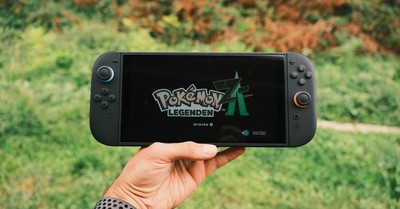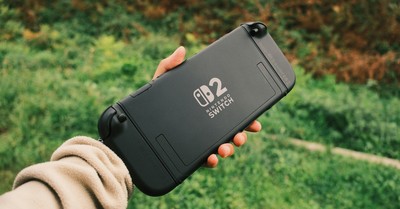
Nintendo of America chief operating officer Devon Pritchard told Variety that the company views the Switch 2's explosive start as merely a prologue. The console became the fastest-selling video game hardware device in United States history, overtaking the PlayStation 4's long-standing record, and has moved nearly 20 million units globally in roughly one year. Pritchard emphasized that first-party hits and strong third-party support have already arrived, and she expects the platform's best moments are still ahead.
"The Switch 2's explosive start is merely a prologue."
Devon Pritchard, Nintendo of America COO
The remarks come as Nintendo expands beyond hardware and software into film, with a live-action Legend of Zelda movie produced alongside Sony Pictures targeting an end-of-April release. The Super Mario Bros. Movie generated $1 billion at the global box office, including $372.6 million in its opening weekend alone, proving Nintendo's characters can draw massive theatrical audiences. For players, this multimedia push signals that Nintendo intends to keep its franchises visible across every major entertainment channel, not just on its own hardware.
Switch 2 Sales Rewrite the US Record Books
| Metric | Value |
|---|---|
| Fastest-selling hardware launch in US history | Switch 2 |
| Previous record holder | PlayStation 4 |
| Global units sold in first year | Nearly 20 million |
Those figures also make the Switch 2 the second-fastest selling console in US history overall, a distinction that underscores how quickly the install base has grown. A larger install base typically attracts more third-party development, shorter wait times for online matchmaking, and a healthier used-game market — all tangible benefits for anyone who owns the system or plans to buy one.
Here's a thinking process:
Principal photography for the live-action Legend of Zelda film concluded in New Zealand after beginning in October 2025. The project, a co-production with Sony Pictures, carries no subtitle and is simply titled The Legend of Zelda. Pritchard confirmed the April release window and expressed enthusiasm about reaching audiences beyond the existing player base.
A theatrical release timed for late April positions the film ahead of the summer blockbuster season, giving it breathing room at the box office. If the movie follows the trajectory of The Super Mario Bros. Movie, it could introduce Zelda's world to millions of viewers who have never held a controller, potentially driving new hardware and software sales in a virtuous cycle Nintendo has cultivated deliberately.
Strategy Focuses on Generational Relationships, Not Screen Time
Pritchard pushed back on the industry narrative that entertainment companies are locked in a zero-sum battle for consumer attention. She argued that Nintendo's priority is building experiences that create relationships lasting generations, using fun as the ultimate litmus test for every project. That philosophy explains why the company moves slowly on new IP, invests heavily in polished sequels, and now extends its brands into theme parks and cinema.
For the player, this approach means Nintendo games rarely chase trends or monetization fads. The design goal remains a coherent, replayable experience that can be shared across age groups — think of parents handing a Switch 2 to a child the way earlier generations passed down an NES cartridge. That continuity is rare in an industry increasingly driven by live-service roadmaps and battle passes.
Here's a thinking process:
Nintendo's current momentum suggests the Switch 2 will enjoy solid first-party support for years, not months. The company's willingness to partner with Sony Pictures — a direct competitor in the console space — on a major film franchise shows a pragmatic side that prioritizes brand reach over platform tribalism. That openness could lead to more cross-media projects, broader merchandise availability, and sustained cultural relevance that keeps the ecosystem healthy.
The risk, as always, is execution. A disappointing Zelda film could dampen enthusiasm just as the Switch 2 hits its stride, and rising hardware prices may eventually test the loyalty of price-sensitive families. For now, though, the numbers and the strategy align: Nintendo is betting that fun, polished experiences — whether on a screen in your hands or a screen in a theater — will outlast any single console generation.
Key Takeaways
- Switch 2 is the fastest-selling video game hardware device in US history, surpassing the PS4's record.
- Nearly 20 million Switch 2 units sold globally within roughly one year of launch.
- Live-action Legend of Zelda film wrapped production in New Zealand and targets an end-of-April release.
- Nintendo of America COO Devon Pritchard emphasizes generational experiences over competing for screen time.
Everyone’s waiting for the first glimpse of The Legend of Zelda film, even though filming is already finished. If Nintendo pushes the trailer hard, it could follow the Mario movie’s $1 billion run. A weak launch, though, would hit Nintendo’s first big cinematic test. At the same time, the Switch 2’s second year will tell us whether third‑party developers treat the current install base as a core market or just a side note. That decision will determine the console’s library for the rest of this generation.