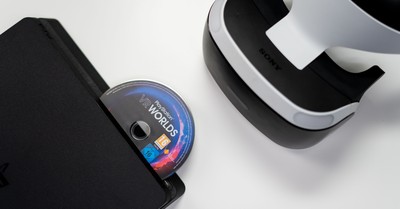
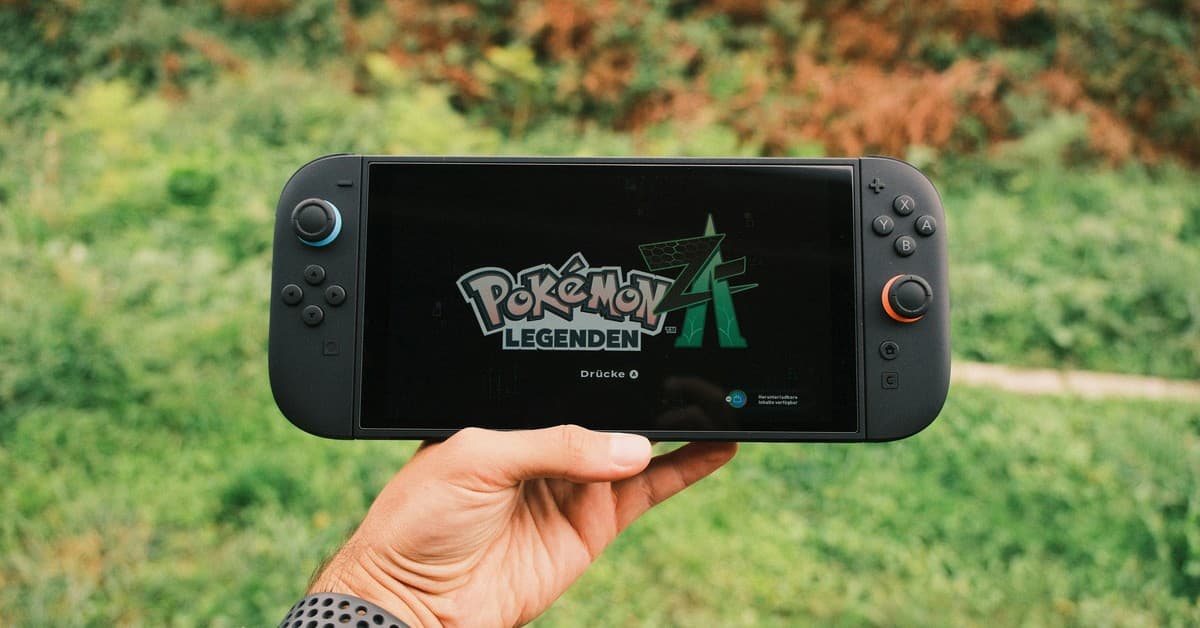
Nintendo has revealed that boxed games still account for 38.5% of its total software sales, a statistic that underscores the company's ongoing commitment to physical media even as rivals accelerate toward an all-digital future. The figure appears in Nintendo's latest financial results and arrives just as Sony confirmed it will stop shipping new PlayStation 5 games on disc from January 2028, a move that effectively signals the end of physical releases on the current PlayStation generation. For players who still value owning a cartridge they can lend, resell, or display on a shelf, Nintendo's stance offers a notable point of divergence in an industry rapidly shedding plastic cases.
The 38.5% physical share represents a modest decline of 2.2 percentage points from the prior period, with digital downloads now claiming 61.5% of Nintendo's games sold. Yet the gap remains far wider than at publishers like Capcom, which recently disclosed that approximately 90% of its sales are digital. Nintendo's broader audience — spanning younger players, families, and longtime collectors — helps explain the resilience of physical media on its platforms. Parents buying gifts, siblings sharing a single cartridge, and fans building libraries all contribute to a demand curve that looks fundamentally different from the core enthusiast bases driving digital adoption elsewhere.
About Nintendo's Hybrid Physical Strategy
With the Switch 2 having launched last year, Nintendo has introduced a tiered approach to physical distribution that goes beyond traditional cartridges. The company now offers three distinct formats: standard game cartridges, cheaper Game-Key Cards that function as physical license keys, and boxes containing only a digital download code — the latter reportedly used for the Switch 2 port of Diablo 4. This hybrid model lets Nintendo serve price-sensitive buyers and collectors simultaneously while managing manufacturing costs for lower-print-run titles. It also preserves the retail footprint that keeps Nintendo visible in stores where impulse purchases and gift buying still happen.
The strategy reflects a pragmatic reading of Nintendo's specific market position. Unlike Sony or Xbox, Nintendo's hardware has always doubled as a family entertainment device, and physical games remain a frictionless entry point for non-enthusiast buyers. A grandmother purchasing a birthday gift does not need to navigate account systems or storage management; she buys a box, wraps it, and hands it over.
Industry Contrast: Sony's Disc Exit and Xbox's License Transfers
Sony's January 2028 cutoff for new PS5 disc releases marks the most aggressive timeline yet from a platform holder. New PS5 consoles and standalone disc drives already ship with warning labels alerting consumers to the coming change, and it's believed the PlayStation 6 may launch as an all-digital machine. Xbox, meanwhile, is reportedly developing a system to transfer game licenses from physical discs to digital ownership — a bridge mechanism that acknowledges the format's decline while offering existing disc owners a migration path.
This divergence matters for players planning their next-generation libraries. A PlayStation owner buying discs today faces a hard deadline; an Xbox owner may soon convert their collection to digital licenses; a Nintendo owner can still walk into a store and buy Fire Emblem: Fortune's Weave on September 17, Switch Sports Resort on October 22, or the Legend of Zelda: Ocarina of Time remake before year's end. The practical difference is immediate: Nintendo's physical ecosystem remains functional and stocked, while the competition's is actively winding down.
What This Means for Players
Nintendo's continued physical support is a genuine competitive differentiator, but the $10 digital discount on Switch 2 games signals the company's long-term preference. That price gap will nudge price-conscious buyers toward downloads, especially for titles available only as Game-Key Cards or code-in-box releases where the physical premium buys no cartridge at all. Collectors and resellers still have a window — likely the remainder of the Switch 2 generation — but the economic incentives are tilting. Players who value physical ownership should factor this trajectory into purchasing decisions, particularly for games they intend to keep long-term versus those they plan to trade.
The upcoming release slate tests this dynamic in real time. Fire Emblem: Fortune's Weave launches September 17, Switch Sports Resort follows on October 22, and the Ocarina of Time remake arrives before December. Further out, 2027 brings Xenoblade Genesis alongside Pokémon Winds and Pokémon Waves — titles that will almost certainly see physical runs given their franchise weight. How those releases are packaged — full cartridge, Game-Key Card, or code-in-box — will signal whether Nintendo's hybrid model is a stable equilibrium or a managed decline. For now, the 38.5% figure stands: more than a third of Nintendo's software sales still comes in a box, and the company shows no rush to change that.
Key Takeaways
- Physical games represent 38.5% of Nintendo's software sales, down 2.2 points from the prior period
- Sony will cease new PS5 disc production in January 2028; Xbox is developing disc-to-digital license transfers
- Nintendo employs a three-tier physical strategy for Switch 2: cartridges, Game-Key Cards, and code-in-box releases
- Digital Switch 2 games are priced roughly $10 lower than physical versions to incentivize downloads