PlayStation VR arrived on October 13, 2016, positioned as the accessible answer to PC-tethered headsets like the Oculus Rift and HTC Vive that had launched earlier that year. Sony's pitch was straightforward: if you owned a PlayStation 4, you could plug in the white headset and start playing without building a gaming rig. The device sold three million units by August 2018 and felt like a genuine mainstream breakthrough — until the market moved on and left it behind.
Quick Facts — PlayStation VR
| Developer | Sony Interactive Entertainment |
|---|---|
| Platform(s) | PlayStation 4, PlayStation 5 |
| Release Date | October 13, 2016 |
| Genre | Virtual Reality |
| Metric | Value |
|---|---|
| Units sold by August 2018 | three million |
| Launch date | October 13, 2016 |
| PSVR 2 launch year | 2023 |
| PC adapter release year | 2024 |
| Patent transfer to Meta | September 2026 |
For players who bought into the promise of console VR, the arc from launch-day excitement to patent transfer reads like a case study in how quickly platform holders can abandon experimental hardware. The headset's peak came and went before the PlayStation 5 even existed, and its successor launched into indifference. Understanding that trajectory matters now because it explains why the VR aisle in 2026 looks more like a memorial than a marketplace.
About PlayStation VR
PlayStation VR was developed and published by Sony Interactive Entertainment as a tethered virtual reality headset for the PlayStation 4, later gaining compatibility with the PlayStation 5. The original model featured a distinctive white design and a cable-based setup that required a processor unit between the headset and console. PlayStation VR 2 followed in 2023 with improved comfort, simpler setup, and PS5-powered performance, while a PC adapter arrived in 2024 to extend the device's reach beyond Sony's ecosystem.
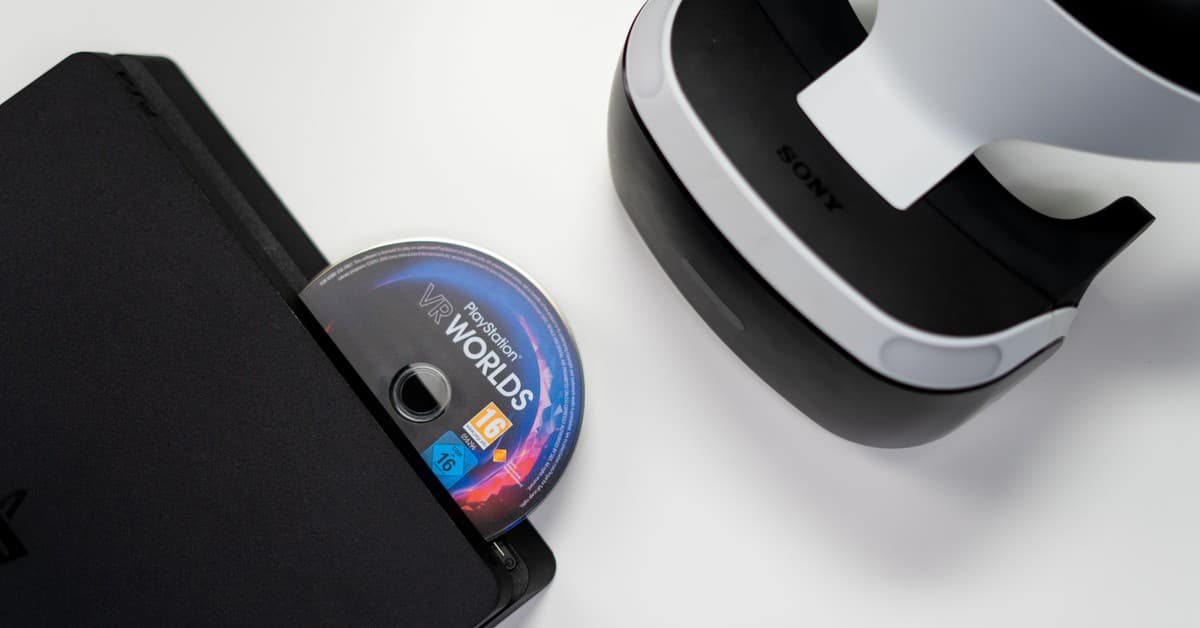
When the headset hit the market, it arrived with PlayStation VR Worlds and Batman: Arkham VR, two titles that mostly showed off tech rather than delivering full gameplay. Sony banked on the PlayStation 4’s huge install base to pull users in, a trick that helped PC VR miss its mark due to heavy hardware demands. At first, the strategy paid off; the headset was a Black Friday craze in 2018. But the tethered form factor and reliance on older hardware soon became weaknesses. As standalone rigs and PC VR systems progressed fast, that old‑school approach looked out of place.
The 2018 Peak That Defined the Platform
Two years after launch, PlayStation VR hit its commercial and creative stride. Tetris Effect, Moss, and Astro Bot: Rescue Mission released in 2018 and provided the killer applications the platform had lacked at launch. These weren't tech demos — they were complete, critically acclaimed games that justified the hardware purchase for skeptical players. The headset moved three million units by August 2018, and Black Friday bundles featuring Moss drove additional adoption through the holiday season.
That momentum proved unsustainable. The Oculus Quest 2 arrived in 2020 with standalone freedom that made tethered console VR feel restrictive by comparison. Valve's Half-Life: Alyx launched the same year as a PC VR exclusive that showcased capabilities PlayStation VR couldn't match. Sony's headset, still bound to the PlayStation 4, began to look like a relic of an earlier VR generation while the technology raced ahead elsewhere.
PlayStation VR 2 and the Speed of Abandonment
Sony attempted a reset with PlayStation VR 2 in 2023. The new headset improved on every front: better comfort, easier single-cable setup, PS5 horsepower, and a launch lineup anchored by Horizon: Call of the Mountain — a first-party exclusive built for the hardware. Gran Turismo 7 received a VR mode post-launch, and titles like Synapse showed the platform still had creative potential. On paper, this was the mature VR product the original should have been.
The market had already moved on. Mainstream interest in VR gaming had evaporated by 2023, and PSVR 2 launched into near-silence. Sony's advertising push for promising titles like Synapse couldn't manufacture demand that no longer existed. Within a year, the company released a PC adapter — a pragmatic move to extract value from existing hardware, but also a signal that console VR's strategic priority had collapsed. By September 2026, Sony transferred multiple VR-related patents to Meta, effectively closing the book on its decade-long experiment.
What This Means for Players
The VR gaming industry in 2026 survives as an enthusiast niche rather than a mainstream platform. Major developers who built VR's standout titles have pivoted to traditional games — Polyarc, the studio behind Moss, has shut down entirely. Ubisoft, an early VR supporter, has stepped away from the technology. Valve's Steam Frame arrived in 2026 with a high price and no first-party software support, failing to reignite broad interest. For the average player, VR headsets are no longer a category worth watching.
That doesn't mean the hardware is useless. A recent Titanfall 2 VR mod has demonstrated how community projects can breathe new life into flat-screen classics, and Nintendo's surprise Virtual Boy revival proves that even failed hardware can find a second act through nostalgia. But these are enthusiast pursuits — tinkering, modding, collecting — not the foundation of a growing market. The rat race that produced PlayStation VR, Oculus Rift, and HTC Vive in 2016 is over. Sony read the room correctly: the only winning move was to stop playing.
Key Takeaways
- PlayStation VR launched October 13, 2016, selling three million units by August 2018
- 2018 was the platform's peak, driven by Tetris Effect, Moss, and Astro Bot: Rescue Mission
- PlayStation VR 2 launched in 2023 with Horizon: Call of the Mountain but arrived after mainstream VR interest had faded
- Sony transferred VR patents to Meta in September 2026, ending its VR hardware ambitions
The Bad Gamer Take
Sony Interactive Entertainment’s PSVR proved that a console could own VR, but the platform’s abandonment shows Sony will pivot away from headset hardware because the
The PlayStation VR's ten-year story is less about virtual reality's failure than about how platform holders manage experimental bets. Sony built a competent headset, supported it with genuine hits, iterated with a superior successor, and still watched the category collapse underneath it. The lesson for players is simple: when a platform holder treats a product line as an option rather than a commitment, early adoption carries real risk. The headset sits in a drawer now — a white plastic monument to a future that never fully arrived.
Sources
Frequently asked questions
When did PlayStation VR launch?
PlayStation VR launched on Oct. 13, 2016.
What were the standout games that drove PSVR adoption in 2018?
Tetris Effect, Moss, and Astro Bot: Rescue Mission were the killer apps that convinced players to buy PSVR in 2018.
Why did the original PSVR struggle against PC headsets by 2020?
By 2020, Sony's headset felt clumsier and less capable as technology evolved rapidly around a device tethered to a last-gen console.
What happened to PlayStation VR2 after its 2023 launch?
PSVR2 was virtually dead on arrival as mainstream interest had faded, and Sony seemed to abandon the headset instantly after launching a Gran Turismo 7 VR mode and advertising titles like Synapse.
What does Sony's transfer of VR patents to Meta in 2026 indicate?
The reported transfer of several VR patents to Meta in 2026 all but confirms the end of Sony's VR ambitions.