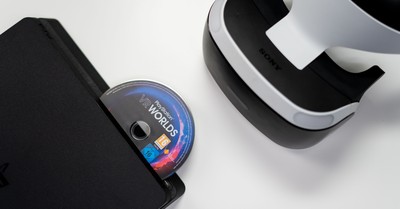
Sony's recent announcement to stop producing physical game discs by 2028 has ignited a debate on the future of console gaming. According to Daniel Ahmad, a videogame market analyst and director of research and insights at Niko Partners, this move is reminiscent of a past tech transition: Apple's removal of CD drives from its laptops starting in 2008. Ahmad noted that while there were initial complaints, "not a single person is complaining about it today."
"not a single person is complaining about it today."
Daniel Ahmad, Videogame Market Analyst and Director of Research and Insights at Niko Partners
Ahmad's comparison, however, comes with a caveat: the significant cost difference between new and old technology. He pointed out, "this time a new laptop will cost $5,000 and my old one with a disc drive works just fine." Despite this, Ahmad views Sony's decision as inevitable, suggesting it was only a matter of time before the console ecosystem followed the predominantly digital sales trend seen in both PlayStation and Xbox platforms.
"this time a new laptop will cost $5,000 and my old one with a disc drive works just fine."
Daniel Ahmad, Videogame Market Analyst and Director of Research and Insights at Niko Partners
Sony's Digital-Only Push: The $99 PS5 Surprise
Digital sales of full games now constitute the overwhelming majority of sales for both PlayStation and Xbox, leading Ahmad to state, "the truth is that the console ecosystem is nearly entirely digital at this point." This shift is not merely market-driven but also a "platform-led push by Sony" to increase revenue per user, a priority openly acknowledged by the company's leadership. Sony benefits more from digital game sales on its bespoke marketplace than from retail sales, especially with the ecosystem's increased emphasis on exclusivity and reduced PC ports.
"the truth is that the console ecosystem is nearly entirely digital at this point."
Daniel Ahmad, Videogame Market Analyst and Director of Research and Insights at Niko Partners
As console prices rise, Sony is focusing on "hardcore gamers who are willing to spend more than ever," potentially at the cost of alienating players resistant to digital gaming. This strategy, coupled with the degradation of physical games' value (e.g., download codes in boxes, lengthy installs), has precipitated the move away from physical discs.
Sony’s Digital Bet: The PC’s Disc Drive Mistake Repeated
Ahmad remains unsure if the backlash will alter Sony's course, stating, "I'd say it's unlikely, but I wouldn't be surprised if they do end up clarifying certain aspects." He emphasizes the need for the conversation to shift towards consumer rights, including gifting, family sharing, refunds, and what a game license should entail, referencing the "Stop Killing Games" movement as just one part of a broader discussion.
"I'd say it's unlikely, but I wouldn't be surprised if they do end up clarifying certain aspects."
Daniel Ahmad, Videogame Market Analyst and Director of Research and Insights at Niko Partners
The practicality of external solutions, like the PS5's digital-only version, seems unlikely for the PlayStation 6, given Sony's clear direction. Ahmad's insights highlight a broader industry trend where the convenience and revenue of digital sales are outweighing the traditional appeal of physical media, a shift that, while potentially jarring, may become as accepted as the disappearance of PC disc drives.
The $500 Mistake Sony Won't Admit
Sony's decision to abandon physical discs by 2028 signifies a pivotal moment in the gaming industry's transition to digital dominance. The implications are multifaceted: while it may enhance Sony's revenue streams through its controlled marketplace, it also raises concerns among gamers who value physical ownership and are wary of the long-term accessibility of digital titles. And the increased cost of new consoles and the push for digital purchases may exacerbate the divide between casual and hardcore gamers, potentially altering the demographic landscape of console gaming.
The comparison to PC's disc drive demise serves as a reminder that technological shifts, though initially met with resistance, can become the norm. But the gaming community's response to Sony's move will be closely watched, especially as discussions around consumer rights and the future of game ownership intensify. As the industry navigates this change, balancing corporate strategies with gamer preferences will be important.
Sony's Digital-Only Future: A PC Repeat?
Ultimately, Sony's shift to digital, while controversial, aligns with broader industry trends and the company's financial strategies. As the gaming world adapts to this new landscape, the focus will inevitably turn to the rights and expectations of consumers in a predominantly digital market. Whether through clearer policies on game ownership, more flexible sharing options, or transparency on the longevity of digital titles, Sony and the industry at large will need to address these concerns to ensure a smooth transition.
Looking forward, the success of Sony's digital push will depend on its ability to balance revenue goals with consumer satisfaction. The company must deal with the challenges of pricing, accessibility, and the perceived value of digital games to maintain its user base. Meanwhile, the broader implications of this shift—for game preservation, consumer rights, and the divide between digital and physical gamers—will continue to unfold, influencing the future of the gaming industry.