<strong>Vampire: Bloodlines Meets Dark Souls PvP</strong>
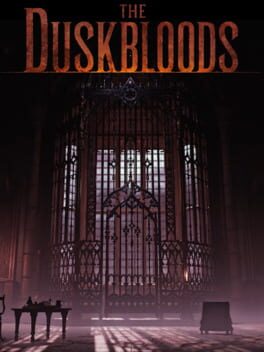
The Duskbloods comes from FromSoftware, the Japanese developer behind Dark Souls, Bloodborne, Sekiro: Shadows Die Twice, and Elden Ring. Bandai Namco Entertainment handles publishing duties, continuing a partnership that has defined the studio's global reach since the original Dark Souls. The game targets a 2025 launch on PS5 and PC, with no specific date announced yet. Genre-wise, it sits at the intersection of action RPG and multiplayer — a deliberate evolution from the asynchronous multiplayer elements of previous titles toward something more directly competitive and cooperative.
The studio's pedigree sets expectations impossibly high. Every FromSoftware release since Demon's Souls has either defined or subverted a subgenre, and The Duskbloods arrives as their first ground-up multiplayer design since Elden Ring's seamless co-op and invasion systems. That game proved the studio could scale its combat philosophy to an open world; this one tests whether they can translate it into a session-based PvPvE framework without losing the deliberate, weighty feel that defines their combat.
FromSoft's Dark Souls Meets Vampire Bloodlines
"We wanted to create a game that captures the essence of Vampire: The Masquerade's political intrigue and personal horror, but through FromSoftware's lens of challenging action gameplay."
Hidetaka Miyazaki, President and Creative Director, FromSoftware
For the player, this likely means a progression system tied to vampire clans or bloodlines, each offering distinct powers and political standings. The "personal horror" Miyazaki references suggests a humanity or beast meter that fluctuates based on player choices — feeding on innocents versus restraint, embracing monstrosity versus clinging to mortal ties. In a multiplayer context, those choices could determine which factions trust you, which hunting grounds open up, and whether other players see you as ally or prey. The tabletop's emphasis on masquerade — the secret vampires keep from humanity — could manifest as stealth mechanics or social deception systems during matches.
FromSoftware's Bloodborne Meets Vampire Politics
The PvPvE designation signals a match format where players contend with each other and AI-driven threats simultaneously. Think hunters stalking through a shared map while rival vampires hunt them, or factions clashing over territory while environmental horrors — ghouls, inquisitors, elder vampires — intervene unpredictably. This structure creates three-layer tension: you track human opponents, manage AI aggro, and monitor your own blood reserves. Bloodborne's influence looms large in the visual language — cobblestone streets, gothic spires, trick weapons transformed into vampiric claws — but the pacing shifts from solitary dread to contested territory.
Combat appears to retain the studio's signature rhythm: committed animations, stamina management, and punishing counterplay. Vampire-themed abilities likely layer atop this foundation — blood-powered dashes, mist-form evasion, disciplines that manipulate the battlefield. The challenge for FromSoftware is balancing these supernatural tools against the deliberate combat cadence that makes their games readable. If every vampire can blink across the arena, the methodical spacing that defines Dark Souls and Elden Ring duels collapses. The solution may lie in cooldowns tied to blood economy: powerful abilities cost precious vitae, forcing players to hunt mid-match or risk starvation.
Bloodiron's $50M Multiplayer Gamble
This is a calculated risk from a studio that rarely repeats itself. Elden Ring proved FromSoftware could expand their formula without diluting it; The Duskbloods asks whether they can compress it into a multiplayer arena while adding entirely new systems — blood economy, clan politics, masquerade mechanics — without the whole structure buckling. The Vampire: The Masquerade license brings a rabid, knowledgeable fanbase that will scrutinize every clan discipline and lore interpretation. Miyazaki's explicit acknowledgment of "political intrigue" suggests the team understands the assignment: this isn't just Bloodborne with fangs, it's a social simulation wrapped in action combat.
Community reaction has been immediate and predictably intense. Longtime fans are dissecting the reveal trailer frame by frame for clan symbols, discipline effects, and map geometry. The curiosity is genuine — FromSoftware has never built a game around social deception or faction warfare, and seeing those tabletop pillars translated into real-time action is a genuinely novel prospect. Skepticism exists too: PvPvE games live or die by population health, and a 2025 launch against a crowded calendar means matchmaking health is far from guaranteed. But if any studio has earned the benefit of the doubt on systems design, it's this one.
The Dying Light of From’s Multiplayer Debut
Key Takeaways
- FromSoftware's new multiplayer action RPG The Duskbloods draws direct inspiration from the Vampire: The Masquerade tabletop RPG
- The game features PvPvE gameplay in a gothic horror setting reminiscent of Bloodborne
- Hidetaka Miyazaki confirms the goal is capturing Vampire: The Masquerade's political intrigue and personal horror through FromSoftware's action combat lens
- Release window is 2025 on PS5 and PC, published by Bandai Namco Entertainment
What comes next is the slow drip of gameplay reveals — clan breakdowns, discipline trees, map layouts, and the all-important netcode details that will determine whether the PvPvE vision survives contact with a global player base. FromSoftware has historically kept marketing tight until launch, so the next substantial look may not arrive until closer to release. For now, the studio has staked a claim on one of tabletop gaming's most beloved settings, and the intersection of their combat philosophy with Vampire: The Masquerade's politics is a genuinely exciting unknown. Watch the clan reveal trailers when they drop — they'll tell you more about the game's soul than any cinematic ever could.