
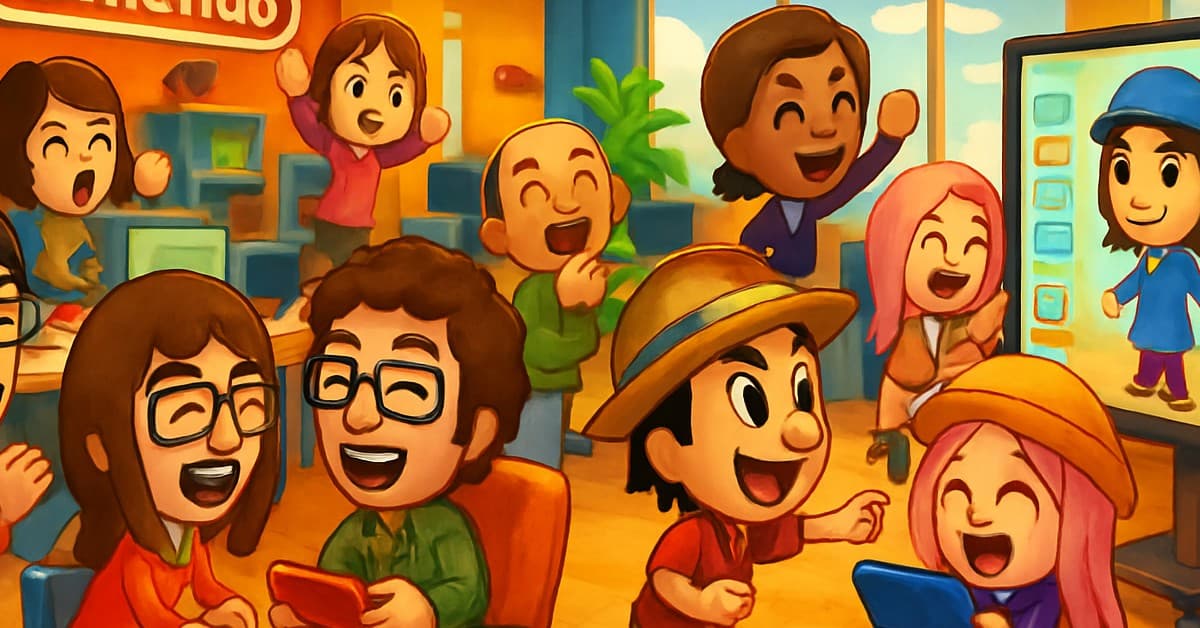
About Tomodachi Life: Living the Dream
Tomodachi Life: Living the Dream releases today on the Nintendo Switch, developed by Universal Studios Hollywood Hub. This life simulation title allows players to create and customize their own Mii characters and build their island. The game showcases a variety of new features, enhancing the experience from previous iterations.
Key Features of the Game
In Tomodachi Life: Living the Dream, players can enjoy an expansive customization system for their Mii sims. The game introduces a build mode that enables complete island customization, providing players with the tools to create their unique environments. Additionally, the Island Builder feature facilitates the construction of personalized spaces, while players can also create pets, including adorable Pikmin pets that Mii characters can take for walks.
Development HQ Island
The developers have recreated Nintendo's real-life Kyoto headquarters, dubbed Development HQ Island, as part of the gameplay. Ryutaro Takahashi, the game’s director, noted, "This is an island called Development HQ Island that one of our staff members created." Within this virtual office, each desk serves as a Mii character's home, where they interact in humorous ways. Takahashi humorously pointed out, "Actually, each desk is a Mii character’s home. Everyone's talking or lounging around instead of going to their desks."
Community Reactions
Community response has been mixed, with players expressing both amusement and surprise on social media. The depiction of Mii characters working at Nintendo HQ elicited comments like, “Just imagining the dev staffs’ Miis working hard on development within the game is hilariously surreal and absolutely peak.” However, some users pointed out the stark, plain interiors of the in-game offices, contrasting with the vibrant worlds typical of Nintendo's games.
Humor and Inside Jokes
The game thrives on humor and inside jokes, as emphasized by developer Takaomi Ueno: "We thought that if we developers got a laugh out of it, players will have just as much fun coming up with their own inside jokes." Players can engage in conversations between their Mii characters that reflect the absurdity of the game's scenarios, such as a dispute between Mii versions of Samus Aran and Reggie Fils-Aimé over the show Survivor.
Critiques and Future Improvements
Despite the creativity and fun that Tomodachi Life: Living the Dream offers, it faces some challenges. Currently, sharing restrictions hinder players from fully engaging in the social aspects of the game. These limitations have been noted by reviewers and could potentially be addressed in future updates, allowing for a more enjoyable experience.