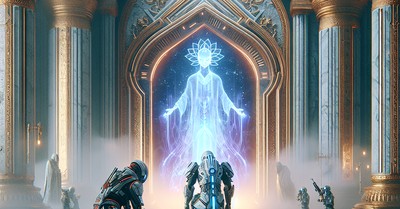

Warframe, the enduring MMO shooter from Digital Extremes, has outlasted its longtime rival Destiny 2, which met a sudden and anticlimactic end this summer. At TennoCon 2026, Creative Director Rebecca Ford reflected on the demise of Bungie's flagship title, emphasizing the harsh realities of the gaming industry's business side.
"It's horrible news, because it shows that even if you care so much, the business side of this industry always gets the last remark,"
Rebecca Ford, Creative Director
underscoring the existential threat this poses to game developers.
Quick Facts — Warframe
| Developer | Digital Extremes |
|---|---|
| Publisher | null |
| Platform(s) | console, PC |
| Release Date | a year before Destiny 2 |
| Genre | MMO shooter |
| Price | null |
The unexpected sunsetting of Destiny 2, with its final update leaving numerous story threads unresolved, serves as a stark reminder of the industry's capricious nature.
"That's not the first time it's happened, and it'll happen again, where the business aspect of the video game economy makes the decision for you, and it is existentially threatening at every level, because the idea that we aren’t in charge of our own goodbye is something I wake up thinking about every single day."
Rebecca Ford, Creative Director
This sentiment highlights the vulnerability even successful titles face when corporate decisions outweigh creative control.
<strong>Why Warframe Outlasted Destiny's Big Bang</strong>
Launched a year before Destiny 2, Warframe has maintained a vibrant community, especially on console, through consistent updates and a dedicated player base. Despite not being fully independent (with a majority stake owned by Leyou, previously acquired by Tencent), Digital Extremes has navigated the challenges of the live service model more successfully than its rival. The studio's attempt to publish Wayfinder, an MMO by Airship Syndicate in 2023, ended in cutting the project loose the same year, but this setback did not derail Warframe's momentum.
Warframe's longevity stands in contrast to Destiny 2's abrupt end, with the former continuing to evolve while the latter's servers will remain online in a static state. This contrast underscores the different paths taken by the two titles in responding to player expectations and business pressures. Digital Extremes is now preparing to launch a fantasy MMO companion to Warframe, further solidifying its position in the market.
Warframe's Quiet Nod to Bungie's Layoffs
Megan Everett, Warframe's Live Ops Lead, shared a personal perspective with Eurogamer, echoing the sentiments of sadness over celebration.
"I'm speaking personally, but I know people would echo it as well. No one is celebrating the fact that this has happened to Destiny, and its players and that story,"
Megan Everett, Live Ops Lead
Everett emphasized, reflecting on the communal aspect of game development and the shared passion for storytelling in the industry.
Everett also addressed the competitive dynamic between Warframe and Destiny 2, stating,
"I know that people have obviously compared us for being 'direct competitors' and stuff like that. But I think a game is healthy when you have competitors, and [Destiny's developers] have done such an amazing job at trying to grow that story regardless of whatever situation they were in."
Megan Everett, Live Ops Lead
This perspective highlights the mutual respect between developers and the value of competition in driving innovation.
Warframe's Big Moment After Bungie's Shock
The sudden end of Destiny 2 serves as a sobering reminder of the industry's unpredictability. For players, it underscores the risk of investing in live service games with no guaranteed longevity. Digital Extremes' approach with Warframe, focusing on community engagement and consistent updates, offers a contrasting model. But Ford's comments also remind us that no game is immune to the whims of corporate decision-making, making the future of even successful titles uncertain.
The demise of Destiny 2 will undoubtedly spark broader discussions about game preservation, the challenges of live service models, and the delicate balance between creative vision and business sustainability. As the gaming landscape continues to evolve, the stories of Warframe and Destiny 2 will serve as case studies for the triumphs and pitfalls of the MMO shooter genre.
Warframe Devs Fire Back at Destiny 2 Shutdown Chaos
While specific community reactions to Digital Extremes' statements were not detailed, the general sentiment across the gaming community has been one of surprise and sympathy for Destiny 2's players and developers. The event may encourage a reevaluation of how studios engage with their communities regarding game longevity and the transparent communication of challenges faced by developers.
For Warframe players, the contrast with Destiny 2's outcome reinforces the stability and dedication of Digital Extremes, potentially strengthening the community's trust in the studio's long-term vision. But it also prompts reflection on the broader industry practices and the importance of player advocacy for game preservation initiatives.
Warframe Devs Dance on Destiny's Grave
As Warframe prepares for its next chapter, including the upcoming fantasy MMO, the eyes of the gaming community will be on how Digital Extremes navigates the complexities of the live service model while avoiding the pitfalls that led to Destiny 2's sudden conclusion. The road ahead for Warframe, with its proven track record, looks promising, but the lessons from Destiny 2's demise will undoubtedly influence industry practices for years to come.
For now, players of both games are left to ponder the transience of online gaming experiences and the hope that their favorite titles will evade the business-driven demise that befell Destiny 2. As the gaming industry continues to grow, finding a balance between creative sustainability and business viability will be important for the longevity of live service titles.