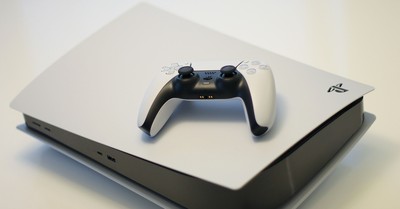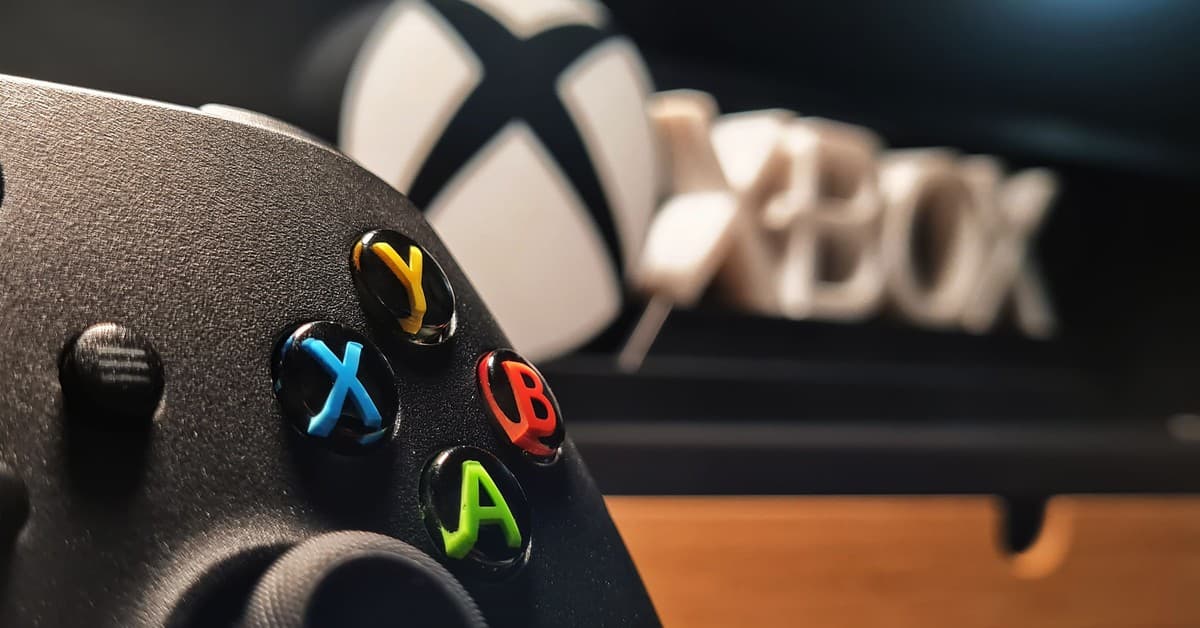
Premium gaming subscriptions are hitting a wall as players across the US tighten their belts and reassess whether monthly fees still make sense. A new consumer survey conducted by Circana and reported via GamesIndustry.biz shows that over 40% of American gamers who canceled a gaming subscription point directly to budget constraints and rising prices as the deciding factor. The data paints a stark picture for the three platform holders: even when players enjoy the service, the financial justification is evaporating.
This isn't a hypothetical trend — it's already reshaping how people engage with PlayStation Plus, Xbox Game Pass, and Nintendo Switch Online. Respondents told Circana they "couldn't justify the cost in my budget but liked the service," a sentiment that cuts across all three platforms. For Sony, Microsoft, and Nintendo, the message is clear: content quality alone no longer overrides the barrier of high monthly fees, and the churning behavior that follows is becoming a standard consumer tactic rather than an edge case.
Here's a thinking process:
Nintendo Switch Online sits at the center of the cost-cancellation spike despite being the cheapest option at $19.99 per year. The service recorded the highest percentage of cancellations rooted purely in cost, marking a 10% increase from earlier this year when Circana first ran the survey. That jump is significant for a service that offers over 140 retro titles but no day-one releases or monthly game drops — players are deciding the nostalgia library simply isn't worth even a low recurring charge when budgets shrink.
Xbox Game Pass and PlayStation Plus tell a parallel story at higher price tiers. Around 40% of players who canceled either service cited the same budget constraints, even though their value propositions differ sharply. Game Pass Core runs $74.99 annually and includes most first-party titles on day one — think Halo and Doom — while PlayStation Plus Essential costs $79.99 per year for 36 claimable games plus a rotating library of first- and third-party hits like The Last of Us and Ghost of Tsushima. The identical cancellation driver across such different price points suggests a broader fatigue with subscription stacking rather than a verdict on any single service's catalog.
Here's a thinking process:
PlayStation Plus Essential justifies its $79.99 price tag for players who consistently claim the monthly lineup and dive into the back-catalog library. The 50-million-subscriber base suggests that formula still works for a massive audience. But the monthly game quality fluctuates — some months deliver heavy hitters, others serve up forgettable indie filler — and that inconsistency feeds the perception that the annual commitment isn't paying off.
Xbox Game Pass Core leans on a different hook: day-one access to Microsoft's first-party slate. But the service hemorrhaged subscribers after a steep price hike last year, prompting CEO Asha Sharma to admit Game Pass had become "prohibitively expensive" and cut prices. Microsoft is now experimenting with dynamic pricing to entice players to open their wallets once again — a tacit admission that the fixed annual model is losing traction.
Nintendo Switch Online at $19.99 looks like a bargain on paper, yet it posts the highest percentage of cancellations rooted in cost. The library leans entirely on retro titles — over 140 games — with no day-one releases, no monthly drops, and gaps in the catalog that players often clamor for Nintendo to fill. For a player who only fires up the service for a weekend of retro gaming, the recurring charge feels like a tax on nostalgia rather than a living service.
Here's a thinking process:
Churning has moved from niche tactic to mainstream strategy. Gamers subscribe for one or two months to play a specific title — a Game Pass release, a PS Plus monthly they missed, a Nintendo retro binge — then cancel before the next billing cycle. This intermittent access model saves hundreds per year compared to maintaining three active subscriptions. The Circana data confirms this behavior is widespread: players like the services, they just refuse to pay for them continuously when their usage is sporadic.
Sony's countermeasure — locking claimed monthly games behind an active subscription — creates friction but doesn't solve the root problem. It forces a choice: keep paying $79.99 annually to retain access to games you've already "claimed," or accept losing them when you cancel. The source text does not specify whether Xbox or Nintendo impose similar restrictions, making it unclear how this asymmetry affects churning behavior across platforms.
Key Takeaways
- Over 40% of US gamers who canceled a gaming subscription cite budget constraints and rising prices as the main reason (Circana survey via GamesIndustry.biz)
- Nintendo Switch Online saw a 10% increase in cost-related cancellations year-over-year despite its $19.99/year price point
- Xbox Game Pass lost subscribers after a major price hike; CEO Asha Sharma acknowledged it became "prohibitively expensive" and cut prices
- PlayStation Plus Essential ($79.99/year) locks monthly games behind active subscription to combat churning; the source does not specify Xbox or Nintendo policies on this
Here's a thinking process:
The three platform holders are running out of room to raise prices without triggering deeper churn. Microsoft already blinked — Sharma's price cut and dynamic pricing experiments signal a recognition that the ceiling has been hit. Sony's 50-million-subscriber base gives it insulation, but the identical 40% cost-cancellation rate suggests that insulation is thinning. Nintendo's position is paradoxical: the cheapest service suffers the highest cost-cancellation intensity, implying that perceived value, not absolute price, drives the decision.
Expect more aggressive retention tactics — limited-time discounts, bundled trials, perhaps even tier restructuring — before the next holiday season. The churning playbook is now documented consumer behavior, not anecdote. Unless the services deliver consistent, undeniable value every single month, the subscription model as we know it faces a slow bleed that no exclusive lineup can fully stanch.
Sources
couldn't justify the cost in my budget but liked the service