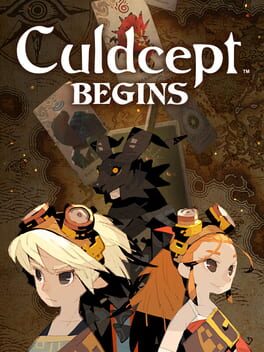
Culdcept Begins, the latest installment in a long-dormant yet intriguingly unique game series, has launched on Nintendo Switch and Nintendo Switch 2, with a PC version slated for later this year. Developed by OmiyaSoft, this title revives a franchise that first saw light in Japan on the Sega Saturn in 1997, known for its blend of deckbuilding, RPG elements, and a dice-based board game mechanic.
Quick Facts — Culdcept Begins
| Developer | OmiyaSoft |
|---|---|
| Platform(s) | Nintendo Switch, Nintendo Switch 2, PC |
| Release Date | 2026 (exact date not specified, PC version later this year) |
| Genre | Deckbuilding, RPG, Board Game |
The significance of Culdcept Begins lies not just in its retro revival but in its strategic appeal to both veterans and newcomers. Despite its flaws, including a reliance on luck that can frustrate even the best-laid plans and a storytelling approach that feels somewhat dull and inaccessible to new players, the game delivers a depth of strategy that is hard to ignore. For players looking for a challenge beyond the usual fare, Culdcept Begins offers a fresh, if sometimes punishing, experience that combines the tactical deck-building of Magic: The Gathering with the territorial expansion of Monopoly, set against the backdrop of a board game where positioning and resource management are key.
Culdcept's Bold Switch 2 Comeback
Culdcept Begins is the newest chapter in a series with a history as eclectic as it is obscure to Western audiences until its later releases. After its debut on the Sega Saturn, the game saw an expanded port on the PlayStation in 1999, followed by Culdcept Second on the Dreamcast in 2001. The series slowly made its way to broader audiences with a localized PlayStation 2 port of Culdcept Second in 2003, Culdcept Saga on the Xbox 360 in 2006, Culdcept DS in 2008, an enhanced 3DS version of Culdcept Second simply titled Culdcept in 2012, and most recently, Culdcept Revolt on the 3DS in 2016.
At its core, Culdcept Begins (and the series by extension) combines elements of deckbuilding, dice rolling, and board game strategy. Players navigate a board, collecting gold to meet level goals, with the ability to summon monsters from their deck onto the board to block opponents or create lucrative tolls. The game’s depth comes from its element-based system, where monsters and board tiles are aligned with one of four elements, allowing for strategic buffs and chain bonuses when placed correctly.
Why Culdcept Begins Outshines Its 2001 Rival
Culdcept Begins introduces several key features that both newcomers and veterans will encounter:
- Deckbuilding: Manage a 40-card deck, balancing monster types, elements, and spells for optimal strategy. The depth of deck customization is one of the game's strongest aspects, encouraging players to experiment with different element combinations and spell usage to outmaneuver opponents.
- Dice-Based Board Game: Progression is determined by dice rolls, adding an element of luck that can significantly impact gameplay outcomes. While this introduces variability, it also means that strategy must sometimes give way to chance, a balance that not all players will appreciate.
- Element-Based Monster Placement: Leveraging the element system to create powerful chains and buffs. This strategic layer adds a depth similar to Slay the Spire, where planning and adaptation are crucial.
- Spell Usage: Strategic deployment of spells to influence dice rolls, battles, and board control. Spells can mitigate luck's impact, offering a layer of control for players willing to invest in spellcraft.
Each of these features contributes to a gameplay experience that is both challenging and rewarding. For example, the element-based system means that placing a fire-element monster on a fire tile not only boosts its stats but also contributes to a potential chain, significantly increasing gold earnings. Meanwhile, spells like those that fix dice rolls or disrupt opponents can turn the tide of a match, especially in close battles.
The player experience is deeply strategic, yet accessible. Newcomers are provided with starter decks but are quickly encouraged to adapt and evolve their strategies through deck management. The game’s tutorial phases ease players into the complex interplay of elements, dice rolls, and spell timing, making the initial learning curve more manageable. But the game's reliance on luck can lead to frustrating moments, especially in story mode, where a string of bad rolls can undo careful planning.
The Saturn Classics Nobody Wanted
Culdcept Begins arrives at a opportune moment, capitalizing on the current popularity of deckbuilding games and strategy titles. While it may not change the genre or appeal to every gamer due to its niche appeal and aforementioned flaws, it offers a unique blend of gameplay mechanics that will attract fans of both digital board games and deep strategy. The game’s ability to balance luck and strategy, though sometimes uneven, provides a challenging experience that rewards thoughtful play.
Critically, the game has been criticized for its storytelling, which fails to engage newcomers with its complex, unexplained lore, and an art style that is inconsistent in quality, with well-designed cards contrasting with less impressive character visuals. But for those willing to look past these shortcomings, Culdcept Begins delivers on its promise of strategic depth, making it a compelling choice for players seeking something different from the usual gaming fare.
The community and critics have noted the game's cult status, suggesting it won’t broadly escape its niche. Yet, with the deckbuilding genre thriving thanks to titles like Slay the Spire and the enduring popularity of Magic: The Gathering, Culdcept Begins seizes a timely opportunity to introduce its unique gameplay to a potentially receptive audience.
Criticisms and Future Outlook
Despite its strategic allure, Culdcept Begins is not without its criticisms. The heavy influence of luck can lead to frustrating gameplay sessions, particularly in story mode, where progress can be undone by consecutive bad dice rolls. Also, the narrative’s failure to captivate and the hit-or-miss art style detract from the overall experience.
Looking ahead, the success of Culdcept Begins on the Nintendo Switch and Switch 2, coupled with its upcoming PC release, may pave the way for further revival of the series or inspire similar hybrid genre titles. For now, it stands as a sign of the longevity of innovative game design, offering a fresh challenge to gamers open to exploring beyond mainstream releases.
As the gaming landscape continues to evolve, titles like Culdcept Begins remind us of the value in reviving and reimagining classic concepts for new audiences. Whether it will spark a broader interest in the Culdcept series remains to be seen, but for fans of strategy and deckbuilding, it’s an intriguing addition to the current gaming roster.