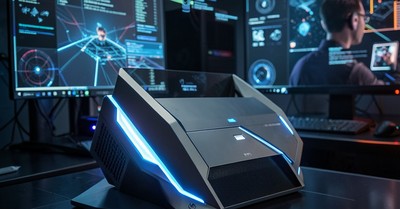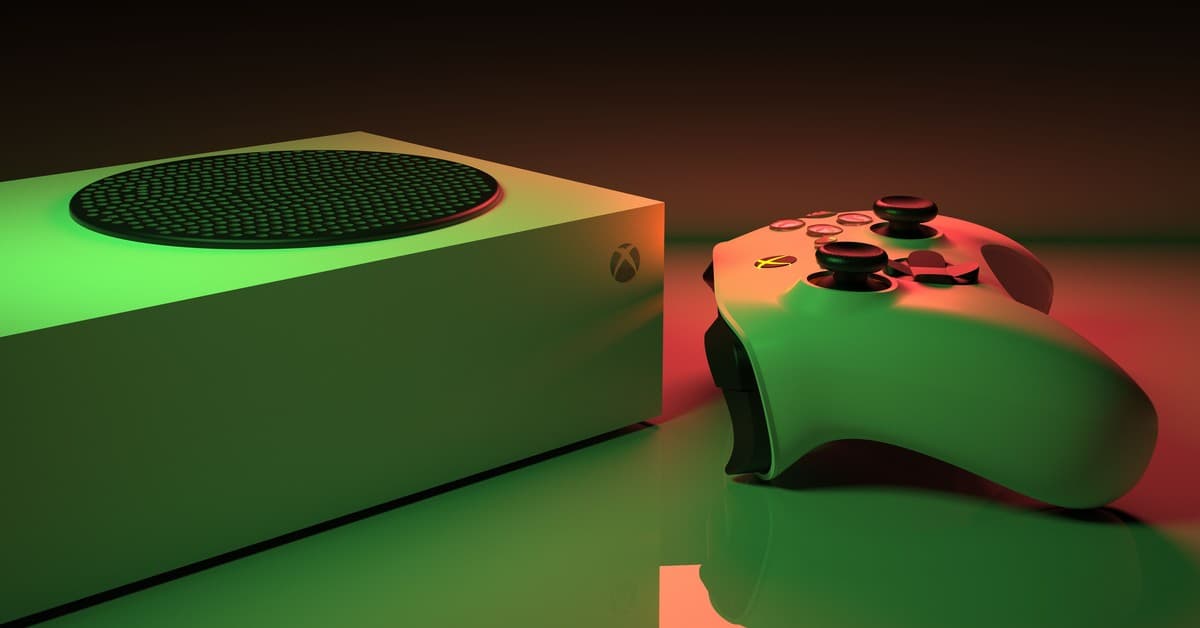
Microsoft teased Project Helix in March as a next-generation Xbox capable of running both console and PC games, but the hardware landscape has shifted dramatically since that announcement. Rising component costs and persistent software issues on existing Xbox-branded PC hardware cast doubt on whether the ambitious hybrid concept will survive intact. For players who have built libraries across Steam, GOG, and the Xbox store, the stakes are personal — Project Helix could unify those collections under one device, or it could become another expensive experiment that never quite delivers on its promise.
Microsoft's biggest challenge? Deciding whether it can beat Valve's Steam Machine story by subsidizing Helix enough to keep prices low without locking the system. The Steam Machine taught us that an open platform can only drive hardware costs up if the vendor can't foot the bill; the console ended up with a four-digit price tag. Piers Harding‑Rolls said last month that the Steam price doesn’t automatically spell a thousand‑dollar PlayStation—Sony’s mature supply chain could keep costs down. If the company sticks to the same open‑platform approach without subsidies, Helix may end up charging gamers the same price they’d pay for a premium PC, which feels a
Project Helix and the Open-Platform Pricing Challenge
Project Helix as originally pitched would function as a Windows-flavored version of what the Steam Machine attempted — a pre-built gaming PC with a console-like interface. The appeal is obvious: instant access to hundreds of games across multiple storefronts on day one, plus the ability to purchase titles on GOG where ownership feels more tangible than on the Xbox store. Microsoft's Surface lineup demonstrates this philosophy already — the company builds premium reference devices that showcase what Windows hardware should be, while still allowing the OS to run on third-party machines. Project Helix could serve as that halo product for gaming, with entry-level options left to other manufacturers.
Jez Corden recently addressed rumors about Xbox pulling games from Steam, writing on Windows Central that the speculation stemmed from a misunderstanding. Xbox isn't likely to pull its games from Steam any time soon, but the economic pressure of rising hardware costs could still push Microsoft toward a more closed ecosystem. A traditional console successor to the Xbox Series X would funnel players into the Xbox store where Microsoft takes a larger cut of each sale, a safer financial model but one that abandons the unique value proposition of a true PC hybrid.
The Windows 11 Problem Nobody Wants
Even if the hardware economics work, the Xbox Full Screen Experience needs significant polish before it belongs in living rooms. The Asus ROG Xbox Ally X continues to suffer from a buggy and unresponsive interface.
"I frequently have problems where I go to close a game, and it just doesn't work, leading me to mashing the X button in Task View until the game eventually closes"
Jackie Thomas, Hardware and Buying Guides Editor at IGN
These are not minor inconveniences — they are fundamental UX failures that would be unacceptable on a mainstream console.
Project Helix's beefier specs might answer many of the lag problems that muck up handheld setups, yet sheer horsepower won’t clean up sluggish menus or a buggy window system. At launch, the interface likely needs to feel as smooth and straightforward as SteamOS; falling short will just make Xbox on PC look like a footnote next to Valve’s refined solution.
The Road Ahead for Project Helix
The best-case scenario positions Project Helix as a premium reference device — the gaming PC equivalent of a Surface Laptop — while third-party manufacturers fill the mid-range and budget tiers. This preserves PC gaming's scalability: players unwilling to pay Microsoft's premium can build or buy alternatives that still run the same games. The worst case sees Microsoft retreat to a conventional Series X successor, locking libraries behind the Xbox store and surrendering the open-platform advantage to Steam Deck and its successors. With the PS6 not expected until 2028 and potential RAM supply improvements on the horizon, Microsoft has a narrow window to prove the hybrid model works without inheriting the Steam Machine's fatal pricing flaw.
Key Takeaways
- Project Helix announced in March as a Windows-based console/PC hybrid
- Open platform risks Steam Machine-style four-digit pricing without hardware subsidies
- Xbox Full Screen Experience remains buggy on Asus ROG Xbox Ally X
- PS6 not expected until 2028; Sony's supply chain may keep pricing below $1,000
Microsoft has time to course-correct before the next generation arrives, but the clock is ticking. The company must decide whether Project Helix represents a genuine commitment to PC gaming's openness or a marketing concept that gets abandoned when the bill comes due. Players watching from the sidelines should pay attention — the decision will shape whether the next Xbox feels like a console that plays PC games, or a PC that plays console games. The difference matters more than the branding suggests.