
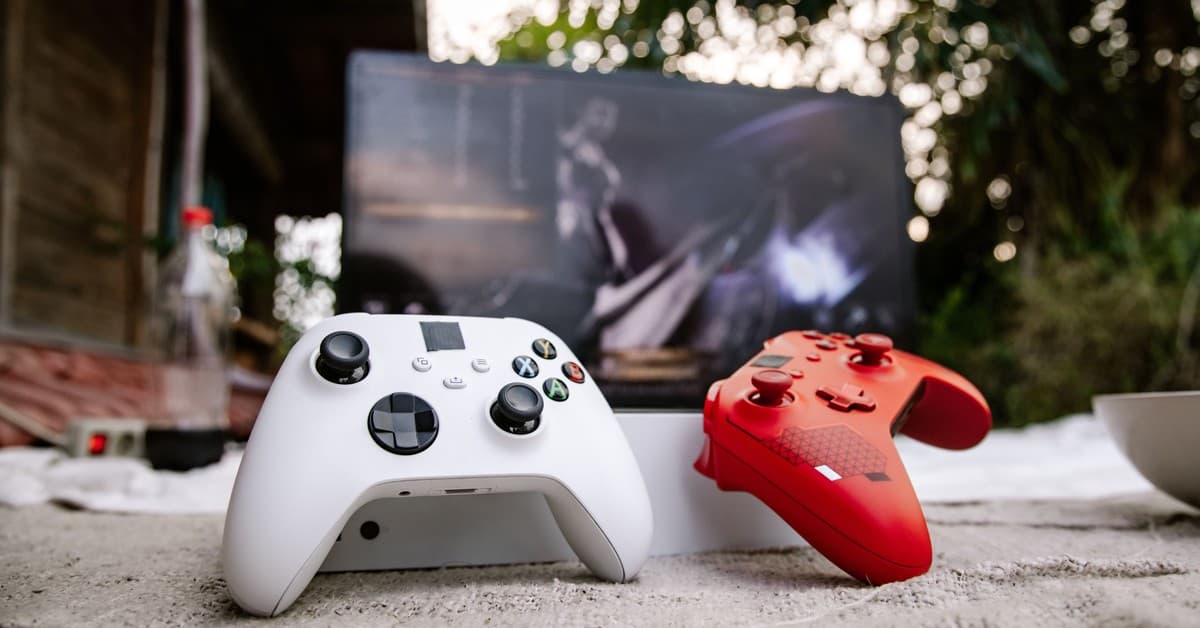
Microsoft dropped a bombshell on the Xbox ecosystem today, confirming that Activision — the studio behind Call of Duty — will take over development of the next mainline Halo title. The announcement arrives alongside 268 fresh layoffs concentrated at Halo Studios, marking the latest chapter in a restructuring that has already claimed 1,600 jobs this summer with another 1,600 slated for this financial year. For a franchise that has defined Xbox, handing the keys to the publisher of its biggest rival franchise represents a seismic shift in strategy.
The transfer caps a chaotic period for Halo under 343 Industries, which has struggled to restore the series’ former glory after the stumble of Halo Infinite and the rocky Halo: Campaign Evolved remake. Just a few months earlier, the newly christened Halo Studios revealed bold plans for a slate of games driven by Unreal Engine 5, highlighted by the Project Foundry tech demo. The big question now: will any of that creative momentum survive under Activision’s newly formed “purpose‑built team,” or will the franchise take another turn? Fans and industry watchers alike are watching closely, wary that a shift in leadership could either spark a renaissance or push the franchise into further uncertainty.
Here's a thinking process:
Xbox Chief Content Officer Matt Booty confirmed the restructuring in a blog post today, stating that "the actions completed since July, inclusive of the studio divestitures, bring us roughly three-quarters of the way through previously announced restructuring." The 268 layoffs span Halo Studios, other first-party studios, and XGS management and central functions, with the majority impacting Halo Studios directly. Booty acknowledged the human cost: "I am deeply grateful for what our colleagues have built, and I know how difficult today will be for those leaving and the teams around them."
The headline move sees Activision assume responsibility for the next Halo title. According to Booty, Activision will lead development with "a new, purpose-built team that is separate from ongoing development and plans for Call of Duty." A small team at Halo Studios will remain to support the existing community and in-market games. No release window was provided, and Booty did not clarify whether Activision plans a reboot, a direct sequel to Infinite, or something else entirely.
Here's a thinking process:
- 268 layoffs across Halo Studios, other first-party studios, and XGS management
- Activision develops next Halo with a new team separate from Call of Duty
- Small Halo Studios team remains for community support and live games
- Rare and World's Edge moved under Activision's operational umbrella
- Obsidian now a Bethesda studio, beginning work on a new Fallout game
- Turn 10 merged with Playground Games under the Forza banner
- King absorbs Microsoft Casual Games (Solitaire, Mahjong, Minesweeper)
- Ninja Theory closure intended after two sale deals fell through; Hellblade 3 (Senua) future uncertain
- Arkane consultation ongoing under French labor law, expected through year-end
- Double Fine, Compulsion Games, Undead Labs achieved independence
Here is what I'll do?
Activision President Rob Kostich framed the acquisition of Halo, Rare, and World's Edge as "an honor and a responsibility that we do not take lightly," pledging to "make the greatest Halo game ever, worthy of its universe and legacy, while staying true to what made players love it in the first place." The rhetoric is ambitious, but the structural implications are profound. Halo has been an Xbox first-party crown jewel; its migration to a publisher historically synonymous with PlayStation's biggest rival franchise signals Microsoft's willingness to reorganize around publishing efficiency rather than platform identity.
The broader reset reflects Microsoft's stated goal to reach a billion people daily through video games by 2030, a target that demands aggressive cost-cutting and franchise consolidation. Booty described the philosophy plainly: "The goal is to strengthen our franchises and games by operating fewer business units, aligning groups that already work closely together, and focusing our publishing expertise." For players, the immediate reality is uncertainty — Halo's next chapter now sits with a studio that has not missed an annual Call of Duty release in two decades, while the developers who shepherded the franchise through its modern era are largely gone.
Microsoft's town hall on October 6 promises further clarity on what Booty called "one of the strongest game lineups in our history." Until then, the Halo community waits to see whether Activision's manufacturing discipline can succeed where 343's creative stewardship faltered — and whether the soul of Master Chief's journey survives a corporate restructuring that has already reshaped half of Xbox's first-party landscape.
Key Takeaways
- Microsoft confirms Activision will develop the next mainline Halo game with a new, separate team
- 268 layoffs hit Halo Studios and other Xbox divisions, part of 3,200 total cuts this financial year
- Rare and World's Edge moved under Activision; Obsidian now part of Bethesda
- Ninja Theory faces closure after failed sale attempts; Arkane consultation continues
Sources
The actions completed since July, inclusive of the studio divestitures, bring us roughly three-quarters of the way through previously announced restructuring,