
The Rumor Mill: Nintendo's Next Move
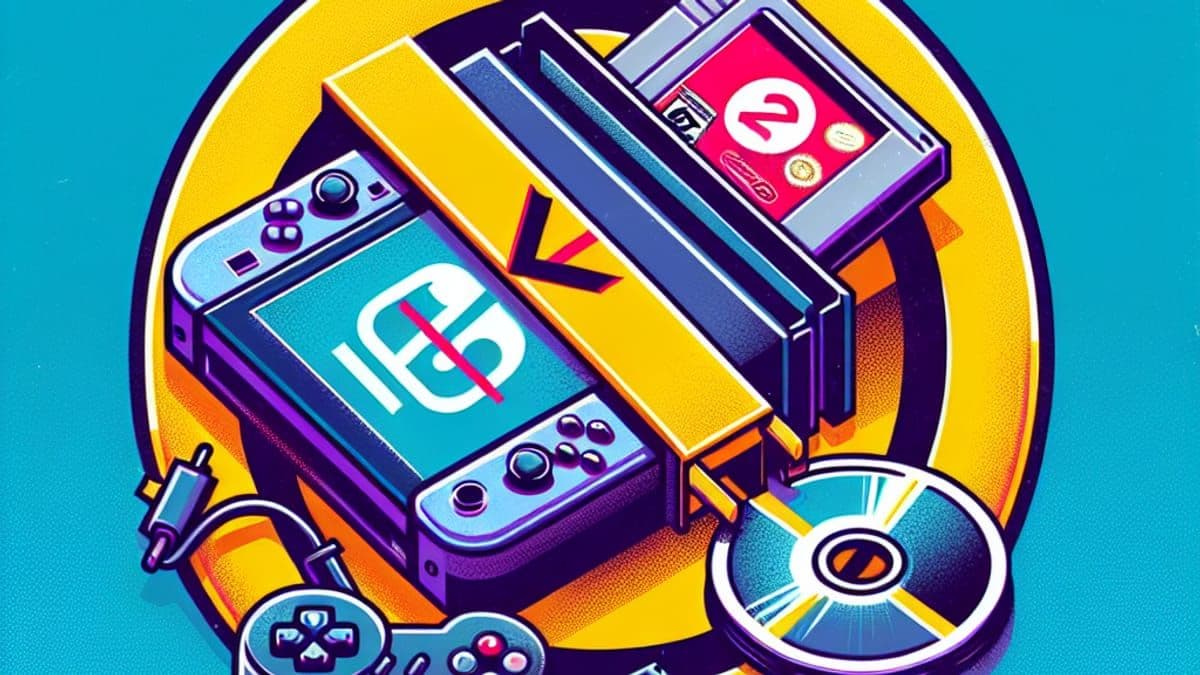
The gaming community is abuzz with speculation about the Nintendo Switch 2 and its potential to ban used games. This rumor, while not officially confirmed by Nintendo, has sparked a lively debate among gamers and industry experts alike. The idea stems from a broader trend in the gaming industry where digital distribution is becoming more prevalent, potentially sidelining physical media and the used game market.
Historically, Nintendo has embraced both physical and digital formats, but the shift towards digital could be a strategic move to increase revenue by controlling game distribution more tightly. This change could align with industry trends, as seen with other major players like Sony and Microsoft, who have also explored ways to limit the used game market.
Impact on Gamers and Retailers
If Nintendo were to ban used games with the Switch 2, the impact on gamers could be significant. Many players rely on the resale market to afford new titles, trading in old games to offset the cost of new ones. A ban could lead to increased costs for gamers, potentially limiting access to a wide range of games for those on a budget.
Retailers, particularly those specializing in second-hand games, could also face challenges. The used game market is a substantial part of their business model, and a shift away from physical media could force them to adapt or risk losing a significant revenue stream. This change could also affect the broader ecosystem of game trading and sharing that many gamers enjoy.
Digital Distribution: The New Norm?
The potential move by Nintendo aligns with a broader industry trend towards digital distribution. Digital sales have been steadily increasing, driven by the convenience of instant downloads and the growing availability of high-speed internet. For companies, digital sales eliminate the costs associated with physical production and distribution, potentially increasing profit margins.
However, this shift raises concerns about ownership and consumer rights. Digital purchases often come with restrictions that don't apply to physical copies, such as limitations on sharing or reselling. Gamers may find themselves with less control over their purchases, which could lead to dissatisfaction among those who value the freedom that comes with physical media.
Nintendo's Strategy: Balancing Innovation and Tradition
Nintendo has always been known for its innovative approach to gaming, often setting trends rather than following them. The potential ban on used games could be seen as a bold move to embrace the future of gaming. However, Nintendo also has a legacy of valuing its loyal fan base, many of whom appreciate the tangible aspect of collecting physical games.
Balancing these two aspects will be crucial for Nintendo. The company will need to consider how to maintain its innovative edge while respecting the traditions that have endeared it to millions of fans worldwide. Whether through hybrid models or new incentives for digital purchases, Nintendo's approach will likely shape the future of gaming.
What Lies Ahead for the Gaming Industry?
The potential ban on used games by the Nintendo Switch 2 is just one part of a larger conversation about the future of the gaming industry. As technology evolves, so too will the ways in which games are distributed and consumed. Companies will need to navigate these changes carefully, balancing profitability with consumer satisfaction.
For gamers, the shift towards digital could mean more convenience and potentially lower prices in the long run, but it also comes with challenges related to ownership and access. As the industry continues to evolve, the relationship between gamers, developers, and distributors will need to adapt to ensure a vibrant and inclusive gaming community.
Summary
The possibility of the Nintendo Switch 2 banning used games has sparked significant discussion about the future of game distribution. While digital sales offer convenience and potential cost savings for companies, they also raise concerns about consumer rights and access. As Nintendo navigates these changes, the impact on gamers and retailers will be closely watched, shaping the future of the industry.