About Sega Game Gear
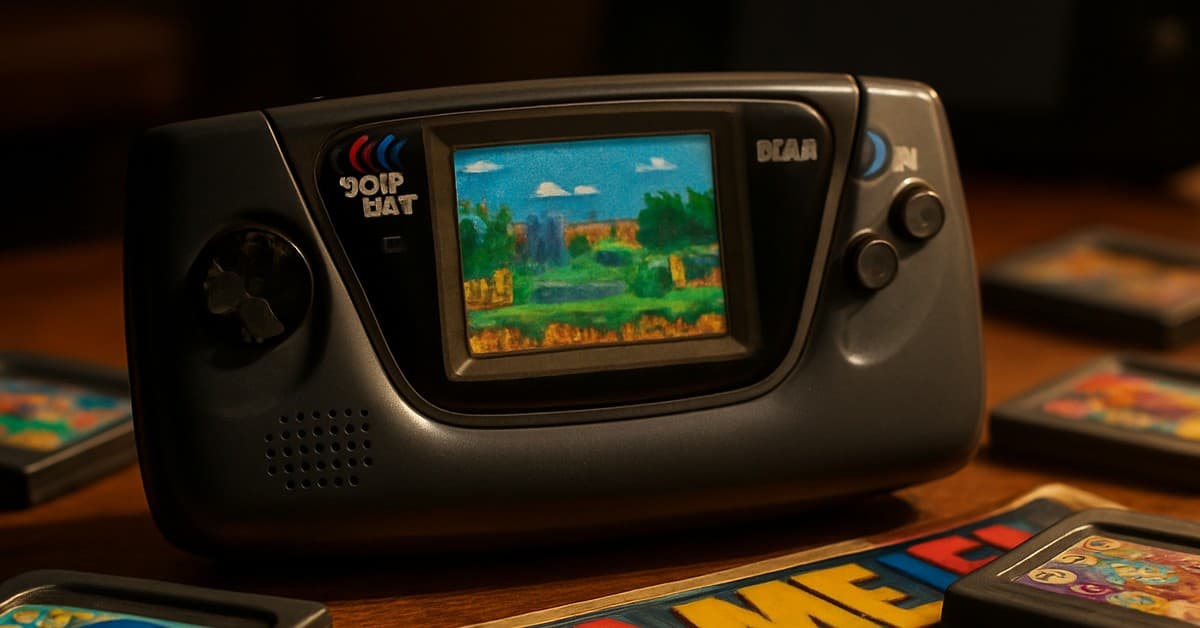
The Game Gear, developed by Sega, launched in 1988 as a handheld gaming console. Priced at $149, it aimed to compete directly with Nintendo’s Game Boy, which was already dominating the market. Although it didn’t achieve the success Sega hoped for, the Game Gear played a crucial role in the evolution of handheld gaming.
Quick Facts — Game Gear
| Developer | Sega |
|---|---|
| Platform(s) | handheld |
| Release Date | 1988 |
| Price | $149 |
Key Features of the Game Gear
The Game Gear featured a full-color, backlit LCD screen, a significant upgrade over the monochrome display of the Game Boy. This allowed for a more vibrant gaming experience, showcasing titles like Sonic the Hedgehog in vivid color. However, despite its superior visuals, its library largely consisted of inferior versions of Sega Genesis games, lacking any system-sellers like Pokémon.
One notable aspect was the Game Gear’s AC port for wall socket use, enabling players to enjoy longer gaming sessions without relying solely on batteries. Unfortunately, the console was notorious for being a battery gobbler, offering only 3 to 4 hours of playtime from six AA batteries. Additionally, its horizontal layout made it more comfortable to hold compared to its competitors.
Comparison to Other Handhelds
When comparing the Game Gear to devices like the Atari Lynx and NEC’s Turbo Express, it becomes evident that Sega wasn’t the first to offer a color display. However, the Game Gear was the first to do so at a compelling price point. In contrast, the Game Boy and its variants have sold over 118 million units, making it the fourth-best-selling game console of all time, while the Game Gear fell significantly short, with Nintendo’s handheld selling roughly ten times as many units.
Legacy of the Game Gear
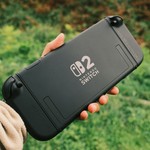
Despite its shortcomings, the Game Gear’s ambition laid the groundwork for future handhelds like the Steam Deck and Nintendo Switch. Sega understood the potential market for more sophisticated handheld gaming devices, even if it took years for the industry to catch up. The Game Gear remains a fascinating piece of gaming history, illustrating the evolving landscape of portable gaming.
Moreover, Sega’s unconventional accessories, such as the TV Tuner and Master Gear Converter, showcased innovative ideas that would later influence handheld design. Although they may seem outdated today, these concepts reflect Sega's forward-thinking approach during the 1990s.