About the Star Fox Legacy
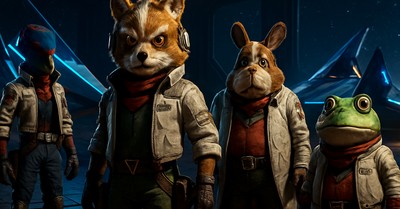
The Star Fox series, born in 1993 on the Super Nintendo Entertainment System, revolutionized the on-rails shooter genre with its groundbreaking graphics and the introduction of Fox McCloud and his team. However, the true pinnacle of the series for many fans remains Star Fox 64, a game that not only showcased the N64's capabilities but also defined the franchise's identity. Its influence is so profound that subsequent releases, including Star Fox 64 3D and now Star Fox (2026), are essentially iterations or reinterpretations of this classic.
The series' history is marked by both innovation and missteps. Star Fox 2, though never officially released, was a significant project that laid groundwork for future titles. Star Fox Zero's attempt to revamp the series with Wii U's motion controls and a new storyline fell flat, with critics like Polygon highlighting its jumbled design:
"feels like every muddled, unsuccessful experiment with the Wii U was stuffed into a single game."
Polygon
Star Fox 64 3D's multiplayer, though a novel addition, was criticized by IGN as "half-baked," underscoring the challenges in expanding the franchise's appeal without diluting its core experience.
Key Features and the Player Experience
Star Fox (2026)'s most touted features include its leap to 4K resolution, which promises to breathe new, vibrant life into the franchise's iconic worlds and characters. However, the true litmus test for the game's success lies in its new gameplay additions:
- Co-op Gameplay: This feature allows friends to team up, potentially enhancing the game's replay value and social appeal. Imagine navigating the challenges of Planet Saiko or facing off against the Star Wolf team with a friend by your side, each controlling a different wing of the Arwing. This cooperative element could add a fresh layer of strategy and camaraderie to the classic formula.
- 4v4 Multiplayer Mode: A bold departure from the series' traditionally single-player or local co-op focus, this mode could attract a broader, more competitive audience if well-executed. The potential for chaotic, thrilling matches where eight players engage in dogfights could revitalize the series' multiplayer scene, provided it learns from the "half-baked" mistakes of Star Fox 64 3D's multiplayer.
Despite these innovations, the game's core identity remains deeply rooted in Star Fox 64. Whether this strategy of blending the old with the new will resonate with both veteran fans and newcomers remains to be seen. The game's success will depend on its ability to honor the past while innovating in meaningful ways, a challenge evident in the mixed reception of previous titles like Star Fox Zero, which Polygon criticized for feeling like a jumbled collection of unsuccessful Wii U experiments.
What This Means for Players
For the dedicated Star Fox fan base, Star Fox (2026) represents a bittersweet opportunity. On one hand, it offers a polished, modern take on a beloved classic, complete with features that could enhance the gaming experience. On the other, it raises questions about the series' ability to evolve beyond the shadow of Star Fox 64. The inclusion of co-op and multiplayer modes is a step in the right direction, but only time will tell if these additions are substantial enough to attract and retain a new player base. Given the series' history of missteps, particularly with Star Fox Zero's poorly received motion controls and boring missions, there's a cautious optimism among fans. The game must not only deliver technically but also show a clear vision for the franchise's future.
As the gaming community awaits June 25, all eyes will be on whether Star Fox (2026) can not only redeem the series from its recent lows but also carve out a fresh identity in the modern gaming landscape. With its release on the Nintendo Switch 2, the game has the potential to reach a wide audience, but its long-term success will hinge on more than just nostalgia—it needs to offer a compelling reason for players to return to the world of Star Fox.
A Legacy of Innovation and Missteps
The Star Fox series has always been at the forefront of technological innovation, from the 3D graphics of the original to the experimental motion controls of Star Fox Zero. However, this push for innovation has sometimes come at the cost of gameplay quality. Star Fox Zero's motion controls, for example, were widely criticized for being cumbersome and detracting from the experience. In contrast, Star Fox 64 3D's graphical update was well-received, but its multiplayer mode lacked depth. Star Fox (2026) must balance this legacy of innovation with the need for refined, enjoyable gameplay.
The series' history also highlights the challenges of maintaining a consistent quality across different platforms and generations. From the cancelled Star Fox 2 to the well-received Star Fox 64 3D, each title has presented both opportunities and pitfalls. Star Fox (2026), by building upon the foundation of Star Fox 64, aims to provide a stable base from which to introduce new elements, a strategy that could mitigate risks while appealing to both old and new fans.
Community and Critical Anticipation
Given the lack of community reaction detailed in the announcement, the silence is palpable. Fans are undoubtedly weighing their expectations, cautious after Star Fox Zero but hopeful that the return to Star Fox 64's roots, coupled with modern amenities, might signal a return to form for the series. Critics, too, will be watching closely, eager to see if Nintendo has learned from past criticisms and can deliver a title that not only honors the past but secures a vibrant future for Fox and his team.
The community's anticipation is mixed, reflecting the series' unpredictable history. While some fans eagerly await the chance to revisit beloved levels and characters in 4K, others are wary of another misstep. The inclusion of co-op and multiplayer suggests an effort to broaden the game's appeal, but only a well-executed final product can win over skeptics. As the release date approaches, the gaming world will closely watch Star Fox (2026) to see if it can become a flagship title for the Switch 2 or another footnote in the series' checkered history.
Ultimately, Star Fox (2026) stands at a crossroads. It can either leverage the nostalgia of Star Fox 64 to propel the series forward with its new features or succumb to the weight of its own legacy, failing to innovate in meaningful ways. The next few months will be crucial in determining the direction of the franchise, with all indicators suggesting that this title is Nintendo's serious attempt to revitalise a dormant but beloved IP.
Looking Ahead
As Star Fox (2026) gears up for its June 25 release, players and critics alike will be closely monitoring any additional updates, particularly concerning the depth of its multiplayer mode and how substantially the co-op enhances the single-player narrative. Nintendo's approach to post-launch support will also be under scrutiny, given the potential for downloadable content to either enrich or fragment the player base. With the series' future hanging in the balance, Star Fox (2026) has the opportunity to redefine the franchise for a new generation of gamers.
The coming months will provide clarity on whether Star Fox (2026) can overcome the challenges faced by its predecessors. Until then, the gaming community remains in a state of hopeful suspense, awaiting the chance to once again take to the skies with Fox McCloud and his team. If successful, Star Fox (2026) could not only revitalize the series but also demonstrate Nintendo's continued ability to breathe new life into its classic franchises.
Key Takeaways
- Star Fox (2026) is a remake of Star Fox 64, releasing on June 25, 2026, for Nintendo Switch 2.
- Features include a 4K graphical upgrade, co-op gameplay, and a 4v4 multiplayer mode.
- This is technically the fifth version of Star Fox 64 across various platforms and re-releases.
- The series faces a critical test in balancing nostalgia with innovation to attract both veteran fans and new players.