Only 2% of Star Wars games are worth replaying. Not perfect. That said, the Star Wars franchise has seen some wild swings, and it's a miracle some of these games even made it to market, considering the risks they took in storytelling and gameplay, which ultimately paid off in unique and innovative ways, leaving a lasting impact on the franchise.
They're bold. The real feel is there. You'll notice it in Star Wars games that take risks. For instance, we've got games told from the Empire's point of view, which is worth mentioning. It's a key aspect of their honesty, with some titles daring to question the Force in a way that's still debated today, making them key to the series' longevity, with many cherished by fans for their unique approach, it's the reason they've stood out since their release dates, like 2006's Star Wars: Empire at War, which we've seen maintain a loyal fan base.
The Empire Strikes Backfire
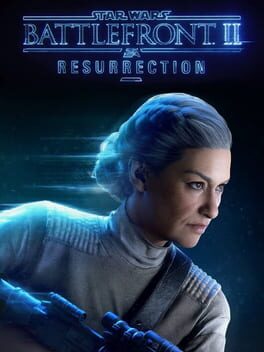
Star Wars Battlefront II has it. The real feel is there. You'll play as Imperial Commander Iden Versio. It's a key part of the game. We've seen few Star Wars stories like this, with a focus on the Empire after Return of the Jedi. They've taken a risk with the campaign's narrative, for sure. It paid off, though, with a fresh look at the Empire's side, making them more relatable, you'll see. The game's launch had issues, like loot boxes and grinding, which was a problem.
It's a bold move. You'll feel for the Empire. Battlefront II takes a key risk, making them more than just villains. The campaign works because it gets you to care, which is harder than it sounds, and we've seen it pay off in the Star Wars universe.
No Lightsabers Here: Focusing on Niche Aspects
You'll find Star Wars: Squadrons is unique. It's focused on space combat. The real feel of flying is there. In Squadrons, they've committed to this one aspect, with Star Wars Episode I: Racer doing the same for podracing, a key part of the fun, with honesty in its design, making it worth mentioning, for fans of the series, it's a crossover of sorts, with a specific type of gameplay that we've not seen before, and it works, with you'll spending hours in the cockpit, or on the track, it's that engaging.
You'll see it in Squadrons. It's a game. The real feel is there. For fans, it's about intense space battles. They've made it work, with a focus on honest, realistic gameplay. Racer is key, taking a minor movie element and turning it into a major competition, which is worth mentioning, and it's all about the gameplay, you'll find it's a crossover of fun and excitement, with the studio's dedication to their chosen mechanics making all the difference, in the end, it's a winning formula.
The Dark Side Jedi Nobody Wanted
Star Wars: Bounty Hunter gets real with Jango Fett. He's got skills. The game's old now. It's still worth mentioning, though, for its honest look at a grey character like Jango Fett, you'll see what made him tick in the Star Wars universe, with a focus on character that was key for its time, back in 2002, we've seen few games like it since then.
You'll see a new side of Jango Fett. He's complex. The Bounty Hunter game made him more relatable, it's for sure. With Fett, we've got a character who's not just a template, he's the real deal, inspiring fear and showing off his skills - that's key to making him more than just a face in the crowd, giving the Star Wars universe a bit more of the real feel, especially when you consider the impact of games like this one on the franchise's overall honesty with its characters.
<em>Star Wars Gaming’s Darkest Bet</em>
Star Wars Jedi: Fallen Order is dark. You'll see the scars. It's about what happens after Order 66. The game takes a key risk, focusing on survival. That's the real feel of being a Jedi in hiding. We've seen the genocide, now it's about the few who remain, with honest storytelling that explores the emotional toll on them, making it worth mentioning for its unique narrative approach.
It's a tough game. You'll need strategy. The mechanics are key. Fallen Order shows Jedi as survivors, not heroes, giving a somber look at a key Star Wars event, which is worth mentioning for fans seeking the real feel of the franchise, with a focus on honesty in its portrayal, making it a crossover between action and storytelling, you'll get a sense of the Jedi's vulnerability.
Star Wars' $100M Gamble Nobody Saw Coming
Star Wars: Dark Forces is a key game. It's old, from before Rogue One. You'll see the Rebels trying to get the Death Star plans. The main guy, Kyle Katarn, is a former Imperial - that's the real feel of the game. It was a risk, telling this story before the others, for sure. They've made it work, though, and it's now worth mentioning in Star Wars gaming history, with a crossover of action and storytelling that's pretty cool.
Dark Forces is old. It's from 1995. The real feel of this game comes from mixing action with a story. You'll get invested in Katarn. He makes the Rebel Alliance more personal. We've seen this in other Star Wars games. His character drives the plot, it's key. The game is honest with its narrative, for a change. You'll notice it.
LucasArts' 90s Gamble That Never Deserved to Fail
Star Wars Jedi Knight: Jedi Academy had a real twist. You could go Dark Side. It's different. The ending changes a lot. For 2003, that was key. We've seen it before, of course, in other games. Jedi Academy still offered players a choice, which was worth mentioning back then, with the game releasing on September 17, 2003, it was a big deal for fans of the series, you'll notice it's still talked about.
It's the real feel that Jedi Academy brings. You'll play it again. The game's moral flexibility is worth mentioning. For Jedi Academy, it's key to letting players choose their path. This made the game honest, showing the gray areas of Star Wars, which we've seen more of in games since its release in 2003.
<strong>"Star Wars 1313: The Game Lucasfilm Buried Too Soon"</strong>
It's worth mentioning Star Wars: Shadows of the Empire tried something new. Set between The Empire Strikes Back and Return of the Jedi, it added fresh faces. They did it without messing up the movies, which is key. You'll notice the game's narrative is pretty bold, for a game back then, with original characters that are actually worth remembering, and it paved the way for other games to follow suit, introducing new characters that matter.
It works. Here's the thing: the real feel is there. You'll see Dash Rendar, for example. He's key to showing external stories can fit in. With games like this, we've got more Star Wars lore. It's honesty that makes these additions worth mentioning, they've done it well, in the case of Dash Rendar, he's a great example of how to do it right, without messing up the main story, that's no easy feat, it's something you'll appreciate when you play.
The Jedi Temple Heist You Never Asked For
You'll notice Star Wars: KOTOR II is different. It's honest. The game questions the Force. It's a tool, maybe. Conflict never ends. They've made it deep, with key ideas that make you think. The real feel of the Star Wars universe is changed for you.
It's bold. KOTOR II challenged core beliefs. The Force is not just good or bad. You'll see complexity in the Jedi vs. Sith thing. This added depth influenced games like KOTOR II, which came out after 2004. It's still felt, with fans thinking differently about the Star Wars saga, for sure, with a key impact on the series.
<strong>Star Wars 1313: The Masterpiece Denied</strong>
You'll notice Star Wars: The Force Unleashed is key. It's real. Starkiller matters. The game's story is worth mentioning, for it had a real impact on the Star Wars saga, specifically with the Rebel Alliance's early days, despite some fans being upset with the Force's portrayal, which they felt was not the real feel of it.
The Force Unleashed got flak. It's honest, the story has some wild twists. You'll remember Starkiller's dealings with key characters. His key role in galactic events is worth mentioning. The game's legacy is the real feel of trying new things with the Star Wars story, even if some parts didn't quite fit with what we've seen before, which is a key part of its enduring impact, for better or worse, over the years since its release in 2008.
Jedi: Fallen Order's Sly Triumph
Star Wars Episode III: Revenge of the Sith is cool. You get a choice. It's not the real feel, though. They've made an alternate ending, where Anakin beats Obi-Wan - that's key. This move, it's worth mentioning, lets players try something new, with a story that's different from the original, in a way that's pretty unusual, for a game, you'll see, with 2005 being the year it came out.
It's got the real feel. You'll play it differently. The game lets you alter a key moment in Star Wars. That's worth mentioning, for it offers a fresh take. With this approach, you'll see Star Wars in a new way, it's a crossover of sorts, where they've taken a familiar story and given it a twist, making it interesting for fans, we've seen this work with 2019's Jedi Fallen Order, and it's the kind of risk that can pay off, like in The Force Unleashed series, which we've seen since 2008.
The Bad Gamer Take
Electronic Arts will continue to prioritize narrative risks in their Star Wars games because it has paid off in unique and innovative ways, making them stand out. This approach has allowed them to create relatable characters, even on the Empire's side, as seen in Star Wars Battlefront II. WATCH how the upcoming Star Wars games from EA handle the balance between risk and innovation, particularly in their storytelling and gameplay mechanics.
These 10 games are the real feel of Star Wars. They've taken key risks. You'll see that in Star Wars gaming. Each one is worth mentioning for its honesty with fans, it's a crossover of storytelling and gameplay that we've not seen before, with some games taking up to 10 years to develop, like the ones released in the early 2000s, and they've made the series what it is, for better or worse, over the past few decades, since 2000.