
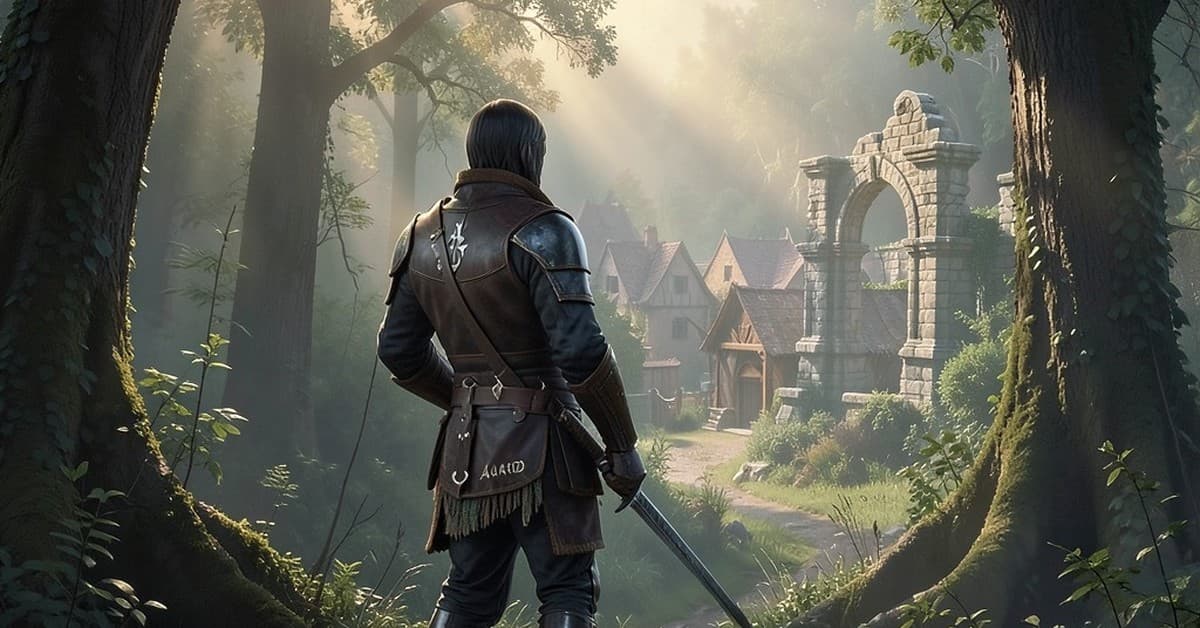
The gaming landscape is abuzz with the unexpected announcement of The Witcher 3: Songs of the Past, a fully fledged expansion pack to CD Projekt Red's (CDPR) critically acclaimed The Witcher 3: Wild Hunt, co-developed with Fool’s Theory. Slated for a 2027 release, this move by CDPR to revisit and expand its 2015 masterpiece is a rarity in the gaming industry, especially given the time elapsed since the original's launch—12 years, to be precise.
The distinction between this expansion and traditional DLC is clearly outlined by CDPR, who notes:
“DLC is often smaller in scale and given out for free to players.”
CD Projekt Red
This contrasts sharply with the scale of Songs of the Past, which is promised to match the depth and breadth of Blood and Wine, the summer 2016 expansion that added a substantial new region, unique gameplay mechanics (notably mutations), and a compelling narrative arc that explored Geralt's potential retirement in Corvo Bianco. Blood and Wine set a high bar with its 30-40 hours of gameplay, and if Songs of the Past aims to rival this, players can anticipate a similarly immersive experience.
About The Witcher 3: Songs of the Past
Developed by CDPR in collaboration with Fool’s Theory (also working on The Witcher 1 remake), Songs of the Past is not merely an add-on but a substantial addition to the Witcher 3 universe. The original game, known for its depth and engaging narrative, saw significant post-launch support with around 16 free DLCs in its first year, including new contracts and cosmetics. This expansion, however, promises to dwarf these in scope.
The choice of co-developer, Fool’s Theory, is noteworthy. Given their involvement in the Witcher 1 remake, their collaboration on Songs of the Past suggests a deep understanding of the Witcher universe's foundations, potentially bringing a unique blend of nostalgic elements and modern gameplay enhancements.
Setting and Gameplay Details
While official details on the setting are forthcoming, fan theories and contextual clues point towards Cintra as a central location, potentially revolving around the Belleteyn festival, a Slavic-inspired Mayday celebration deeply intertwined with the narrative, especially concerning Yennefer and Ciri. Cintra, ruled by Ciri’s grandmother Calanthe in the books, is pivotal in Geralt’s destiny and his first meeting with Emperor Emhyr, making it a rich backdrop for new storylines.
In terms of gameplay, Songs of the Past is anticipated to deliver:
- A new sizable region to explore, comparable to the additions in Blood and Wine.
- Unique locations, potentially including speculated areas like Cintra or Cidaris, each with their own cultural and narrative depth.
- New contracts, offering fresh questlines and challenges for Geralt.
- Potential new mechanics or core system changes, possibly building upon or innovating beyond the mutations system introduced in Blood and Wine.
The promotional music's dark, Slavic tone further hints at a narrative deeply rooted in the Continent's folklore, possibly exploring themes of tradition, destiny, and the cyclical nature of time, all set against the vibrant yet ominous backdrop of Belleteyn.
What This Means for Players
The announcement of Songs of the Past is a double-edged sword for fans. On one hand, it promises a return to a beloved world with the depth and quality that CDPR is known for, potentially tying up loose narrative threads or exploring unvisited locales in meaningful ways. On the other, given the 2027 release date, patience will indeed be a virtue for those eagerly awaiting a return to the Continent.
The comparison to Blood and Wine is both a blessing and a benchmark. If Songs of the Past can capture the essence of what made its predecessor so beloved—the perfect blend of new gameplay, immersive storytelling, and expansive exploration—it will undoubtedly be a success. However, the long wait and high expectations might weigh heavily on the expansion's reception.
CDPR's decision to revisit The Witcher 3 in such a substantial way also speaks to the game's enduring legacy and the company's commitment to its fanbase, a move that could set a new precedent for post-launch support in the industry.
Looking Ahead
Concrete details, including the exact setting and new mechanics, are expected to emerge from Gamescom 2026, with Destructoid set to provide firsthand coverage. Until then, speculation will undoubtedly swirl around the potential $19.99 price tag (or its inclusion in a revamped Game of the Year edition) and the exact nature of the expansion's content.
One thing is clear, however: The Witcher 3: Songs of the Past has rekindled excitement in a series thought to be concluded, promising a new chapter in the saga of Geralt of Rivia that could either beautifully cap off the game's narrative or open up new, unexplored avenues in the Continent.
Key Takeaways
- The Witcher 3: Songs of the Past is set for a 2027 release.
- Co-developed with Fool’s Theory, promising a new sizable region and around 30-40 hours of gameplay.
- Speculated to be set in Cintra, revolving around the Belleteyn festival.
- Expected to include new locations, contracts, and potentially new gameplay mechanics.
As the gaming community awaits more substantial revelations, one aspect is undeniable: The Witcher 3: Songs of the Past represents a remarkable commitment to enriching a game already hailed as a masterpiece, with the potential to redefine post-launch support standards in the industry.