
What Is Tomodachi Life: Living the Dream?
Developed by Nintendo, Tomodachi Life: Living the Dream is a life simulation game that brings players back to the quirky charms of Kayfabe Island. Set to release on April 16, the game arrives 12 years after the original Tomodachi Life became a cult favorite on the 3DS. This sequel aims to continue the franchise's legacy, but early reviews suggest it doesn’t significantly evolve the formula.
Currently, the game holds a review score of 77/100 on Metacritic, slightly improving from the original's aggregated rating of 71. Players can expect a deep level of customization and unique character interactions, but some features have drawn criticism.
Gameplay and Mechanics
Players on Kayfabe Island engage in a variety of whimsical situations with their Miis, who can form friendships or romantic partnerships through direct interaction. Andrew Webster describes the gameplay as “the real meat of the experience,” highlighting how it allows for spontaneous character interactions. However, the game’s limitations, particularly in sharing creations, hinder the overall experience.
Logan Plant emphasizes this point, stating, “I was also forced to get good at making Miis, because sharing them with others is extremely limited.” The game restricts sharing to local wireless options, a notable downgrade from the original's QR code feature, which allowed for global sharing. This decision has left some players feeling isolated.
Visuals, Audio, and Performance
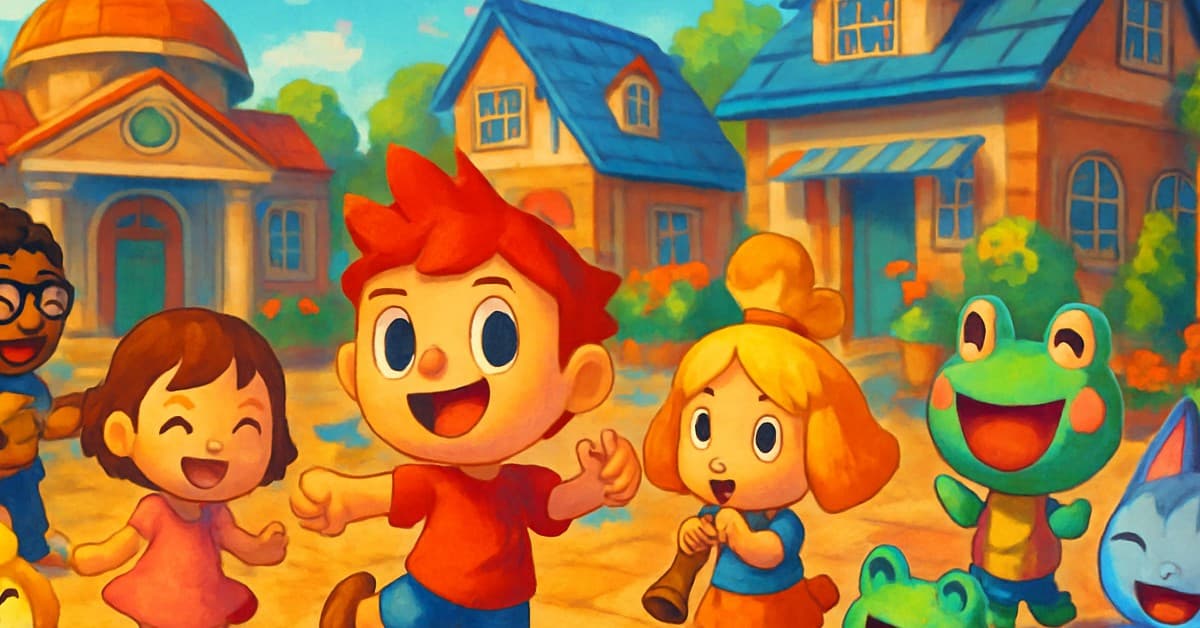
In terms of visuals, Tomodachi Life: Living the Dream retains its playful art style, offering vibrant and engaging environments that enhance the quirky atmosphere. Players can expect a stable performance on the Switch, with the game designed to maintain a consistent frame rate throughout its colorful interactions. While not groundbreaking, the visuals contribute to the game’s charm.
However, the audio and sound design do not stand out as much as the visuals. Players may find the repetitive sounds and limited musical variety detract from the overall experience, especially when contrasted with the engaging character interactions.
What Doesn't Work
Despite its charm, the game lacks certain features that might frustrate dedicated fans. Emma-Jane Betts pointed out a desire for more variety in mini-games, stating, “Even as a Tomodachi Life veteran, I at times found myself wishing for more variety in mini-games.” This sentiment suggests that while the core gameplay is entertaining, it can become monotonous over time.
The absence of effortless online connectivity is particularly glaring. Critics like Brian Shea argue that “not having an official way to share those is massively shortsighted.” This lack of options diminishes the social aspect that many players enjoyed in the original version, leaving some feeling disconnected.
Jordan Biordi expressed concern over the game's creativity, saying it feels “a little less imaginative than its predecessor.” While the game offers players tools to create their own fun, it appears to sacrifice some of the spontaneity that defined the original.
Dan Ryckert captures the essence of the game with enthusiasm: “I absolutely love Tomodachi Life: Living the Dream.” However, it seems the appreciation for the game comes with a caveat regarding its limitations.
Verdict
Tomodachi Life: Living the Dream is a respectable continuation of the franchise that embraces its quirky roots. Players will enjoy a deep level of customization and unique character interactions that offer a whimsical experience. However, the lack of online features and limited mini-games prevent it from reaching the heights of its predecessor. For those looking for a light-hearted social sim, this game may still provide hours of entertainment.