Vapor World: Over The Mind entered early access on August 19 with the kind of momentum most indie studios dream about. The game had accumulated 100,000 wishlists on Steam, driven largely by a demo that had been available since January 2025. Developer Alive In, a team of about five people based in South Korea, had built a Soulslike Metroidvania with a painterly art style that drew comparisons to Lies of P and the narrative platformers of Playdead. The core gameplay featured parry-heavy combat and evocative worldbuilding that suggested a genuine labor of love. Then the cutscenes loaded, and the conversation shifted entirely.
Quick Facts — Vapor World: Over The Mind
| Developer | Alive In |
|---|---|
| Platform(s) | PC |
| Release Date | August 19 |
| Genre | Soulslike, Metroidvania |
| Score | mostly negative |
The game currently sits at 64 Steam reviews with a "mostly negative" rating, and the vast majority of them mention the same thing: AI-generated cutscenes that could not even keep the main character's model consistent from shot to shot. The most helpful review on the store page captures the sentiment cleanly. The reviewer wrote that they saw the very first cutscene before any gameplay and noticed how the generative AI could not maintain visual consistency. They added that while the gameplay looked fun from trailers, they support people not robots, and suggested the studio change the look or wait until they could produce the art with human artists. That review is representative of the broader reaction. Players did not just dislike the aesthetic result; they framed it as an ethical line crossed.
Vapor World's Cutscenes Are a Disaster
The early access build delivers on the promise of the demo in several respects. The parry-heavy combat feels deliberate and weighty, rewarding pattern recognition over reflex spam in a way that will feel familiar to veterans of the genre. The painterly art style holds up in motion — environments carry a melancholic texture that recalls the best of Playdead's work, and the worldbuilding communicates its lore through environmental storytelling rather than exposition dumps. For the first hour, Vapor World plays like the kind of focused, confident indie Soulslike that builds word-of-mouth momentum organically.
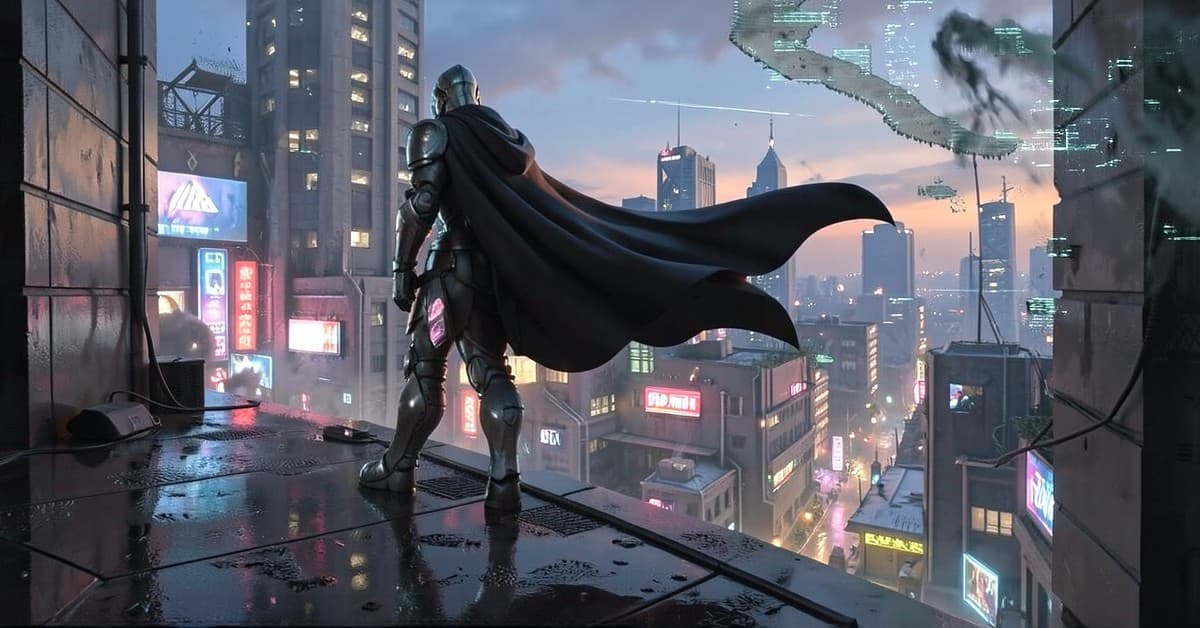
Then the first cutscene triggers, and the illusion fractures. The AI-generated sequences exhibit the telltale artifacts that have become instantly recognizable: shifting facial proportions, inconsistent lighting on the character model, a floating quality to the line work that sits in uncanny contrast to the hand-crafted in-game art. The dissonance is immediate and jarring. A player who spent the demo period falling in love with the game's visual identity suddenly confronts a completely different aesthetic language — one that feels automated rather than authored. The cutscenes were not present in the demo, which means the backlash caught many wishlisters by surprise at launch.
Vapor World’s AI Cutscenes Are a Disaster
The core game deserves better than to be defined by its cutscenes. The combat system builds around a parry mechanic that demands precision — mistimed blocks drain stamina aggressively, and enemy attack patterns telegraph just enough to feel fair without becoming predictable. Boss encounters in the early areas layer multiple phases that force players to adapt mid-fight rather than memorize a single rotation. The Metroidvania structure unfolds gradually, with new traversal abilities gating access to previously visible but unreachable areas. There is a clear design intelligence at work here, the product of a small team that understands the genre's conventions and knows where to iterate.
The worldbuilding operates on a similar level of restraint. Rather than dumping lore through dialogue, Vapor World communicates its history through architecture, enemy placement, and environmental details that reward observation. The painterly art style serves this approach well — color palettes shift between biomes to signal thematic changes, and the hand-painted textures give even reused assets a sense of intentionality. This is the game Alive In wanted to make, and the roughly five-person team executed it with a level of polish that belies their headcount. The tragedy is that none of this appeared in the launch-week discourse.
Vapor World's AI Scandal Deepens
Studio director Young Kim issued a brief statement that made it clear the team hadn’t seen the backlash coming in the magnitude it did. Kim explained that when asked about using AI, their honest reply would have taken a while to articulate. The choice of AI stemmed from a conviction that those tools could push the narrative into depths their current manpower couldn’t reach, freeing the crew to invest more time on gameplay mechanics and less on story stitching. Kim admitted the decision was made on a handful of assumptions – that AI would become indistinguishable from hand‑crafted work. Without another technological leap, the team’s hope fell short of the reality that unfolded. They had expected a minor letdown, not an uproar that spilled into the public sphere. The statement, candid and self‑critical, shows a group willing to own their misstep.
The statement also reveals the cutscenes were originally composed in-engine by the team, then replaced with AI after the hand-crafted results proved devastating every time. The team came to believe they could not properly deliver the game's complex, difficult narrative that way, which is why they turned to AI. Kim added that if the choice hurt the experience, the fault is not in the tool but in their own shortcomings. The AI cutscenes were replaced by the weekend after launch as promised, but the damage to the game's launch reputation was already done. The deeper question — whether a five-person team can hand-craft narrative cinematics for a complex story without AI — remains unanswered. The studio has committed to doing so, but the timeline and quality target are unknown.
South Korea's cultural context adds a layer to the miscalculation. Pew Research Center data places South Korea as the least AI-skeptical nation among 25 countries surveyed, with only 16 percent of respondents more concerned than excited about AI use in daily life. By contrast, roughly half of respondents in the US, Italy, Australia, and Brazil fall into that category. The studio may have calibrated their risk assessment for a domestic audience and launched into a global market with fundamentally different tolerance thresholds. Alive In joins a growing list of studios — including Larian Studios and Sandfall Interactive — who have walked back AI use after extreme public backlash. The pattern suggests the industry has not yet found a consensus on where the line sits, but audiences have drawn theirs clearly: generative AI in visible, authored content is currently a liability, not a shortcut.
Key Takeaways
- Vapor World: Over The Mind launched into early access on August 19 with 100,000 wishlists but received mostly negative reviews due to AI-generated cutscenes
- Studio Alive In has about five developers and did not anticipate the scale of global backlash, possibly influenced by South Korea's lower AI skepticism (16% concerned vs. ~50% in US/UK)
- Director Young Kim acknowledged the error and replaced the AI cutscenes by the weekend after launch
- The core game features parry-heavy combat, painterly art style, and evocative worldbuilding that reviewers say is overshadowed by the cutscene controversy
The Wardogs pre-order surge and Mortal Shell 2's chart debut suggest the Steam revenue top 20 tells its own story this week, but Vapor World's launch will linger as a case study. A promising game from a tiny team, derailed not by broken mechanics or missing content but by a creative decision that players read as disrespect for the medium. The cutscenes are gone now, replaced by whatever the five people at Alive In can produce by hand. Whether the game recovers its momentum depends on whether the community decides the gameplay was ever the point — or whether the breach of trust is too deep to bridge. For now, the most helpful review still sits at the top of the store page, and the "mostly negative" tag remains.