
Xbox has officially rolled out a starter edition of Game Pass to Meta Horizon+ subscribers, marking a notable expansion of cloud gaming onto Meta Quest headsets. The move brings over 50 games and 10 hours of monthly cloud streaming to the VR platform, alongside in-game rewards for playing. For Quest owners who have been curious about Xbox's library but hesitant to invest in a console or a full Game Pass Ultimate subscription, this starter tier lowers the barrier to entry significantly — especially since Meta Horizon+ pricing stays fixed at $59.99 per year or $7.99 per month.
The timing matters. Meta announced earlier this year that it would shift Horizon Worlds' focus toward mobile, signaling a broader strategy to meet players where they already are rather than doubling down on a walled-garden metaverse. Adding Xbox cloud gaming to Horizon+ fits that same logic: it uses Microsoft's existing streaming infrastructure to add immediate value to Meta's subscription without requiring first-party VR development resources. The partnership also mirrors the Discord Nitro deal announced in May, suggesting Xbox is actively using starter-tier Game Pass as a distribution wedge across multiple platforms.
What the Starter Edition Includes
The starter edition of Game Pass for Horizon+ subscribers packs a specific set of benefits designed to showcase Xbox's catalog without cannibalizing the full Ultimate tier. Subscribers gain access to over 50 games— a rotating selection that typically includes first‑party hits and notable third‑party titles— alongside 10 hours of cloud gaming per month. That time allotment is enough for a few evenings of play or a weekend binge, but it clearly positions the tier as a taster rather than a primary way to play. Rewards for playing round out the package, though the exact nature of those rewards hasn't been detailed beyond the announcement. At launch, Meta Horizon+ insiders reported that players can stack their 10 hours across multiple devices, making it handy for both quick sessions and longer marathons.
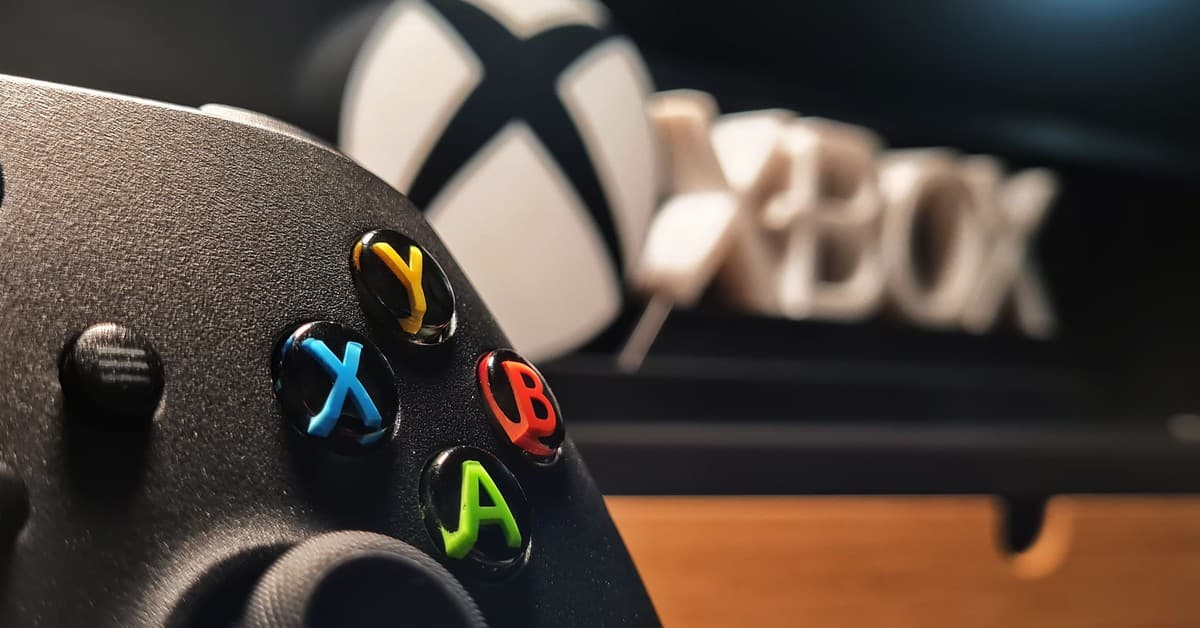
Meta Horizon+ already bundles over 100 VR titles. Adding Game Pass turns that into a two‑library deal: Quest‑specific games from Horizon+ plus console titles streamed to the headset or to a flat‑screen. If you run the Quest as a VR playground and a media hub, this merges the two worlds into a single monthly fee. The deal gets a boost if you already have an Xbox controller. Hooking it to the Quest headset gives you a familiar gamepad feel right inside virtual reality. Because the cloud version runs on any device that supports Horizon+, you can switch between playing on the Quest, a PC, or even a mobile phone without extra downloads.
Xbox Game Pass Launches on Meta Horizon+
In the coming weeks, Meta Quest Touch controllers will gain the ability to emulate an Xbox gamepad, a feature that could make cloud gaming viable even for travelers or players who don't want to pack a separate controller. The emulation maps Touch inputs to standard gamepad layouts, though the effectiveness will vary by genre — slower-paced RPGs and strategy games should translate well, while competitive shooters or fighting games will almost certainly demand a physical Xbox controller. Those who already own an Xbox gamepad can simply pair it with the Quest headset via Bluetooth, delivering the familiar layout and tactile feedback that cloud gaming on a touchscreen or motion controllers cannot replicate.
This dual approach — native Touch emulation for convenience, physical controller pairing for precision — acknowledges the reality that cloud gaming on a VR headset serves different use cases. Someone streaming Starfield on a plane needs a different input solution than someone settling in for Forza Horizon 5 at a desk. By supporting both, Xbox and Meta avoid forcing a single compromised control scheme onto every game in the catalog.
Meta's Long-Term VR Bet Relies on Partnerships
Meta's accompanying statement makes its strategy explicit: the company will continue supporting third-party VR developers through strategic partnerships and targeted investments rather than prioritizing first-party development. That philosophy explains why Horizon+ exists as a curated subscription service instead of a platform exclusive showcase, and why the Xbox partnership makes sense — Microsoft brings a massive game library and cloud infrastructure, while Meta brings the headset install base and a subscription framework. The Horizon Worlds mobile pivot reinforces this: Meta wants its social platform everywhere, not just on Quest, and it wants Horizon+ to be a value anchor regardless of where users engage.
For players, the immediate takeaway is straightforward. If you already subscribe to Horizon+, you now have a low-friction way to sample Xbox games without buying hardware or upgrading to Game Pass Ultimate. If you don't, the calculation depends on how much you value the combined native VR library and the cloud streaming window. The starter edition won't replace a console or a full Game Pass subscription for dedicated Xbox players, but as a bonus on top of Horizon+'s existing VR catalog, it adds meaningful breadth to what $7.99 a month delivers.