
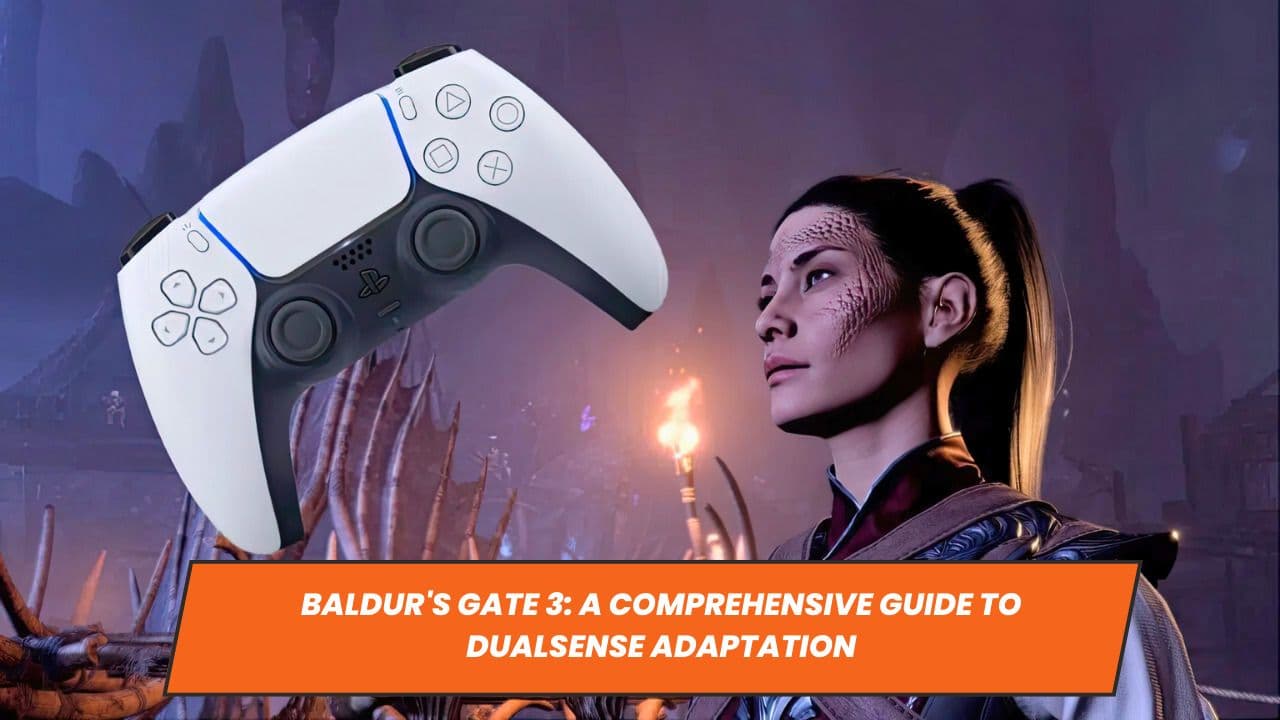
In recent years, the gaming industry has witnessed a plethora of advancements, enhancing the immersive experiences that RPGs (Role-Playing Games) can offer. Baldur's Gate 3, a paragon in the RPG genre, is on the precipice of achieving a milestone in gaming interaction, courtesy of the PlayStation 5's DualSense controller. The following analysis delves deeply into the revolutionary changes that have been implemented in adapting Baldur's Gate 3 to the DualSense controller, a feat that promises to redefine how players engage with expansive RPGs.
A Seamless Transition to DualSense: Behind the Scenes
The task of integrating an expansive RPG gameplay into a controller was indeed a considerable challenge. The game, boasting a vast array of 600 spells and actions, demanded a nuanced approach to ensure that the controller adaptation does not dilute the engaging experience it promises. To overcome this, developers embarked on transforming the existing user interface into radial menus, a feature more aligned with the functionalities of a controller.

The controller now serves as a hub to an extensive range of essential tools, making features like map access, journal, spellbook, and character sheet more intuitive and accessible. Even during intense gaming sessions, players can swiftly navigate through these options, thanks to the seamless integration that allows quick pull-ups of dialogue history or a swift transition to the tactical view, enhancing the gaming dynamics substantially.
Elevating User Experience: DualSense's Technological Marvels
As the PlayStation 5 release beckons, gamers can anticipate an enriched interaction with the game, powered by the distinctive features of the DualSense technology. The integration translates to a heightened sensitivity during combats and a smoother navigation through the menus. The light bar of the controller now morphs to resonate with the color of the spell being cast, intensifying in brightness during pivotal moments in the battle.
Moreover, the controller mirrors the core statuses experienced in the game, lighting up in corresponding colors when the player is paralyzed, bleeding, or charmed. These adaptive mechanisms, coupled with actuation points and feedback integrated into the triggers, ensure a tangible sense of weight and resistance, offering a layered, immersive gaming experience.
Unrestricted Exploration: Empowering Players with Choices
Preserving the essence of a D&D campaign, Baldur's Gate 3 continues to empower players with the autonomy to navigate the Forgotten Realms according to their preferences. The adaptable controller schemes cater to diverse playing styles, offering a direct, in-the-moment interaction, akin to a third-person game, further enriching the explorative journey through Faerun.
Furthermore, players preferring precision can opt for the Cursor Mode, facilitating point-and-click style character control, maintaining the diversity and richness of gameplay experiences, promising an exhilarating journey in the expansive realms of Baldur's Gate 3.
Conclusion
In conclusion, the adaptation of Baldur's Gate 3 for the DualSense controller stands as a testament to the unceasing innovations in the gaming industry. The meticulous efforts to preserve the game's complexity while offering an intuitive and immersive gaming experience herald a new generation of RPGs, set to captivate gamers worldwide with unprecedented interactive profundities.


