
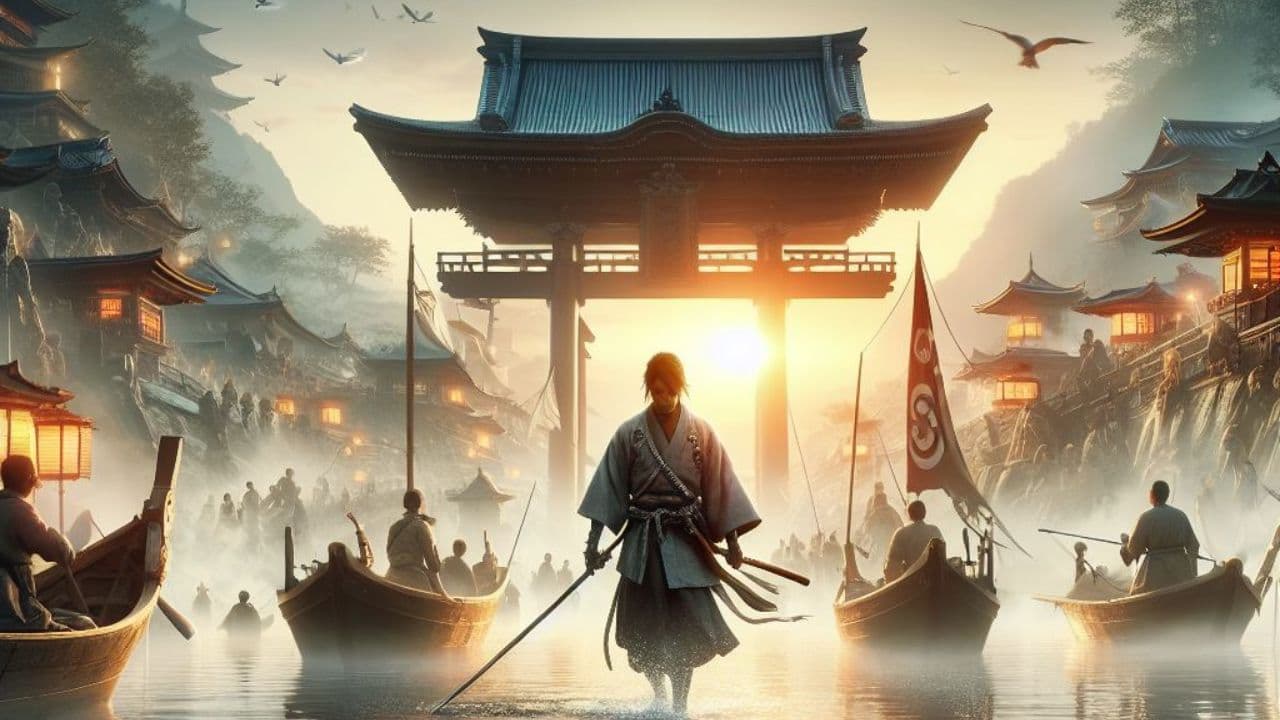
"Ghost of Tsushima," developed by Sucker Punch, presented an immersive historical drama rooted in the samurai cinema tradition. As the gaming community eagerly awaits the reveal of "Ghost of Tsushima 2," the potential directions for the sequel's narrative and themes are ripe for exploration, based on the first game's conclusion.
Jin Sakai's Continued Journey
The central character, Jin Sakai, faced a profound internal conflict between his samurai honor and the necessity to adopt unorthodox methods to protect his homeland from Mongol invaders. The original game ended with Jin's exile by the Shogunate, leaving a clear path for the sequel to explore his internal turmoil further.
Potential Historical Backdrops
Assuming "Ghost of Tsushima 2" continues in the late 1200s, it could incorporate significant historical events such as the second Mongol invasion and the Kamakura earthquake of 1293. These events provide rich settings and plot points for the sequel. Jin's escape to mainland Japan, amidst these tumultuous events, could offer a fresh perspective and new geographical settings.
The Heizen Gate Incident: A New Plot Point
Another intriguing historical event that the sequel could explore is the Heizen Gate incident, which occurred shortly after the second Mongol invasion. The political upheaval and the devastating earthquake present a backdrop where Jin could use his skills to navigate political turmoil and aid those affected by the earthquake, adding depth to the narrative.
Exploring Other Historical Periods
While Jin Sakai's story remains central, "Ghost of Tsushima 2" could also venture into other historical periods of Japan. Exploring the Sengoku or Edo periods through the lens of a character influenced by Jin's legacy would allow the game to delve into different facets of Japanese history and culture.
Consistent Themes with New Developments
Regardless of the direction Sucker Punch takes with "Ghost of Tsushima 2," the game is expected to continue exploring themes of honor, moral compromise, and identity. Jin's development, whether he chooses to adhere to or redefine his samurai code, will likely be a focal point. The sequel is also anticipated to maintain its open-world format, offering players an immersive experience in another region of historical Japan.
Final Thoughts
"Ghost of Tsushima 2" holds immense potential to build upon the narrative and thematic foundations laid by its predecessor. The sequel has the opportunity to not only continue Jin Sakai's compelling story but also to expand its historical and cultural horizons, providing gamers with another rich and immersive experience in the world of samurai and ancient Japan.