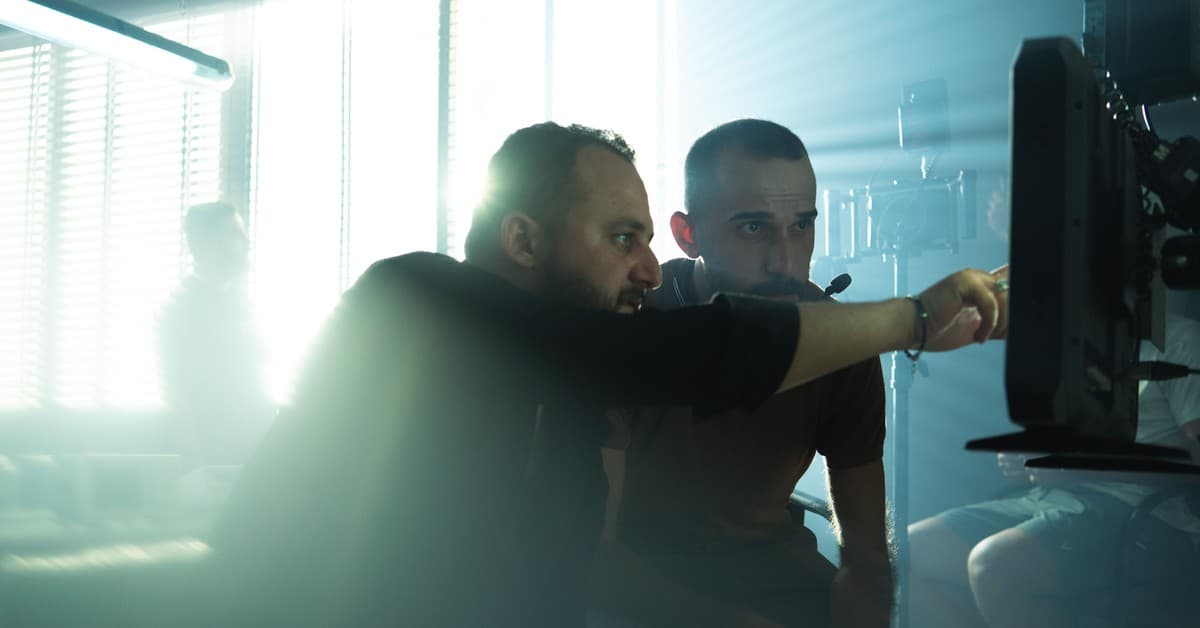
Otto Bathurst has joined the creative team behind the upcoming Odysseus television series, bringing his experience from the Paramount+ Halo adaptation to a new take on Homer's epic poem. The director's involvement was confirmed as Christopher Nolan's theatrical version of The Odyssey moves toward its scheduled release, placing two high-profile adaptations of the same source material in production at the same time. For viewers tracking the growing trend of streaming services tackling classical literature, this convergence signals how valuable mythological IP has become in the current content landscape.
The timing creates an unusual dynamic for audiences who may find themselves comparing two vastly different approaches to the same ancient text. Bathurst's background includes directing the premiere episodes of Halo, a series that divided fans with its departure from established game lore while attempting to expand the franchise's narrative scope. His move to Odysseus suggests streaming platforms continue to see value in directors who can manage large-scale genre productions with complex visual effects requirements. The series does not yet have a confirmed release window or platform announcement.
Halo Director's Bold Odyssey Gamble
The Odysseus television project represents another entry in the recent wave of classical mythology adaptations heading to streaming platforms. Following the success of series like Netflix's Kaos and Amazon's The Lord of the Rings: The Rings of Power, studios have increasingly turned to public domain epics as foundations for expensive, effects-driven prestige television. Homer's Odyssey, with its episodic structure of islands, monsters, and divine intervention, maps naturally to a seasonal television format where each major encounter can anchor an episode or arc.
Unlike the Iliad's concentrated wartime narrative, the Odyssey's journey-home structure offers built-in variety — cyclopes, sirens, witches, and underworld visits each demand distinct visual approaches and tonal shifts. This makes the property attractive for a director like Bathurst, whose Halo work demonstrated facility with creature design, futuristic environments, and action set pieces. The series will need to balance the poem's supernatural elements with the grounded human drama of a husband and father attempting to return to his family after two decades of war and wandering.
Gears of War TV Director Takes Reins
Before Halo, Bathurst directed the BBC series Peaky Blinders' first season, establishing the show's gritty visual language and helping launch what became a global phenomenon. He also helmed the 2018 Robin Hood film starring Taron Egerton, a project that attempted to modernize another piece of familiar folklore with mixed critical results. His career pattern shows a willingness to tackle established properties with passionate fanbases — a skill set directly applicable to adapting Homer, where every creative choice will be measured against centuries of interpretation and expectation.
The Halo series itself provides the most relevant case study for how Bathurst might approach Odysseus. That production faced scrutiny for narrative decisions like revealing Master Chief's face early in the run and restructuring the human-Covenant conflict around new characters. Some viewers appreciated the expansion beyond game canon; others felt the changes undermined what made the franchise distinctive. A similar tension will exist with Odysseus — the poem's events are fixed, but the emotional interiority, pacing, and visual realization remain open to interpretation. Bathurst's experience navigating that pressure on Halo will inform whether he embraces or resists creative risks with this material.
Nolan’s Big Budget Gamble
Christopher Nolan's theatrical Odyssey adaptation looms over any concurrent version of the same story. Nolan's films typically combine practical effects spectacle with non-linear storytelling and philosophical depth — Interstellar and Inception both explore time, memory, and identity in ways that overlap with the Odyssey's core themes. His version will likely command enormous marketing resources, awards-season attention, and cultural conversation oxygen that a streaming series may struggle to match. The theatrical release window also means Nolan's interpretation will reach audiences first, potentially establishing the dominant visual and tonal reference point for general viewers.
This creates both a challenge and an opportunity for the television adaptation. The challenge is obvious: comparisons will be inevitable, and a series with a smaller per-episode budget cannot match a Nolan blockbuster's scale. The opportunity lies in format — a multi-episode season can explore the poem's full breadth, including the Telemachus subplot in Ithaca, the suitors' siege, and the extended reckoning with Penelope that films often condense or omit. Television also allows deeper character work with the supporting cast: Athena's interventions, Circe's motivations, the shades Odysseus meets in the underworld. If the series leans into what long-form storytelling enables rather than competing on spectacle, it can justify its existence alongside the film.
Nolan's Shadow: Halo's Showrunner Switches Sides
For audiences, the simultaneous development of two major Odyssey adaptations offers a rare chance to see how different creative teams interpret identical source material under different constraints. The theatrical film will likely prioritize a singular, cohesive vision with a defined runtime, while the series can experiment with structure — perhaps dedicating episodes to different perspectives, using non-chronological storytelling, or expanding minor characters into full arcs. Viewers interested in adaptation theory, classical reception, or simply comparative storytelling will have a live case study unfolding in real time.
The convergence also reflects a broader industry pattern where studios no longer treat public domain properties as exclusive territory. Just as multiple Sherlock Holmes or Dracula adaptations coexist across film and television, we may be entering an era where foundational myths become shared creative sandboxes. This benefits viewers if it produces distinct, thoughtful interpretations rather than redundant retreads. The true test will be whether Bathurst's Odysseus finds a voice separate from Nolan's — not just in budget or format, but in what it chooses to emphasize about a story that has survived three millennia because every generation finds new meaning in it.
Key Takeaways
- Otto Bathurst, director of the Paramount+ Halo series, has joined the Odysseus television adaptation
- Christopher Nolan's theatrical The Odyssey film is scheduled for 2026 release
- Two major adaptations of Homer's epic poem will exist simultaneously across film and streaming
- The series has not confirmed a platform, cast, or release window
As both projects move toward production, the industry will watch whether a streaming series can carve out distinct creative territory alongside a Nolan blockbuster built on the same foundation. The Odyssey has survived translation, adaptation, and reinterpretation across three thousand years — it can likely survive two more. The question is whether either version adds something that makes the ancient journey feel necessary again.