Marcia Lucas, the acclaimed film editor whose pivotal work on Star Wars (1977) and Return of the Jedi (1983) cemented her legacy in the film industry, has died at the age of 80 due to cancer, as reported by Variety. Her family remembered her not only for her cinematic genius but also for her vibrant personality, stating, "Her influence on film is indelible, but those who knew her best will remember the way she made life feel more vivid, more beautiful, more fun, and more full of love."
"Her influence on film is indelible, but those who knew her best will remember the way she made life feel more vivid, more beautiful, more fun, and more full of love."
Marcia Lucas's family
Born Marcia Lou Griffin on October 4, 1945, in Modesto, California, Lucas's journey into film began humbly as an apprentice film librarian before transitioning into editing. Her career intersected with that of George Lucas (her then-husband) while working under esteemed editor Verna Fields. Notable collaborations included:
- The Rain People
- Medium Cool
- THX 1138
Her editing prowess was first recognized with an Oscar nomination for American Graffiti (1973).
About Marcia Lucas's Work on Star Wars
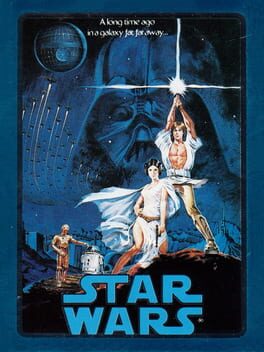
Marcia Lucas's most enduring impact was felt with her work on Star Wars. Brought in alongside Richard Chew and Paul Hirsch to re-edit the film after George Lucas's dissatisfaction with the initial cut by John Jympson, Marcia Lucas is often credited with saving the project. Her meticulous editing of the climactic Battle of Yavin sequence transformed the film, earning her, Chew, and Hirsch the Academy Award for Best Film Editing in 1977. George Lucas reflected on her dedication, "My wife, Marcia, can normally cut a whole reel – all ten minutes of the film – in one week. I think it took her eight weeks to cut that battle."
"My wife, Marcia, can normally cut a whole reel – all ten minutes of the film – in one week. I think it took her eight weeks to cut that battle."
George Lucas
Her last project as a film editor was Return of the Jedi, after which she stepped away from the industry following her divorce from George Lucas in 1983 to focus on her family. The USC School of Cinematic Arts honored her contributions by naming The Marcia Lucas Post Production Center in her recognition.
A Vocal Critic of Later Star Wars Installments
Marcia Lucas did not shy away from expressing her displeasure with the direction of the Star Wars franchise under new stewardship. In her forward to Howard Kazanjian: A Producer's Life (2025), she sharply criticized the sequel trilogy, stating, "They don't get it... And J.J. Abrams is writing these stories — when I saw the movie where they kill Han Solo, I was furious... Absolutely, positively there was no rhyme or reason to it." She also criticized George Lucas's prequel trilogy, lamenting the overuse of CGI and storytelling decisions.
"They don't get it... And J.J. Abrams is writing these stories — when I saw the movie where they kill Han Solo, I was furious... Absolutely, positively there was no rhyme or reason to it."
Marcia Lucas, in the forward to Howard Kazanjian: A Producer's Life (2025)
Legacy and Rememberance
Marcia Lucas's passing leaves a void in the film community, remembered for her editorial genius, her trailblazing role for women in cinema, and her unfiltered critiques of the industry she loved. As the film world mourns her loss, her contributions to Star Wars and beyond ensure her legacy endures.
As reflected in her family's statement, "Her work was known for its emotional intelligence, rhythm, and humanity — a rare ability to find the truth of a scene and bring heart, momentum, and clarity to the screen." This encapsulates the enduring spirit of Marcia Lucas, a true pioneer in film editing.
"Her work was known for its emotional intelligence, rhythm, and humanity — a rare ability to find the truth of a scene and bring heart, momentum, and clarity to the screen."
Marcia Lucas's family
What This Means for the Film Community
Marcia Lucas's death serves as a reminder of the pivotal roles editors play in shaping cinematic history. Her critiques of modern Star Wars installments also highlight the challenges of balancing innovation with the essence of a beloved franchise. As the industry moves forward, her legacy as a storyteller and her contributions to the iconic Star Wars saga will continue to inspire and guide filmmakers.