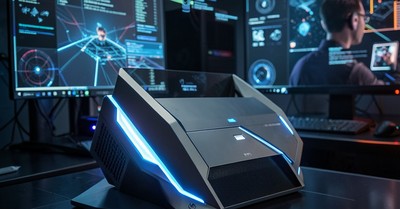
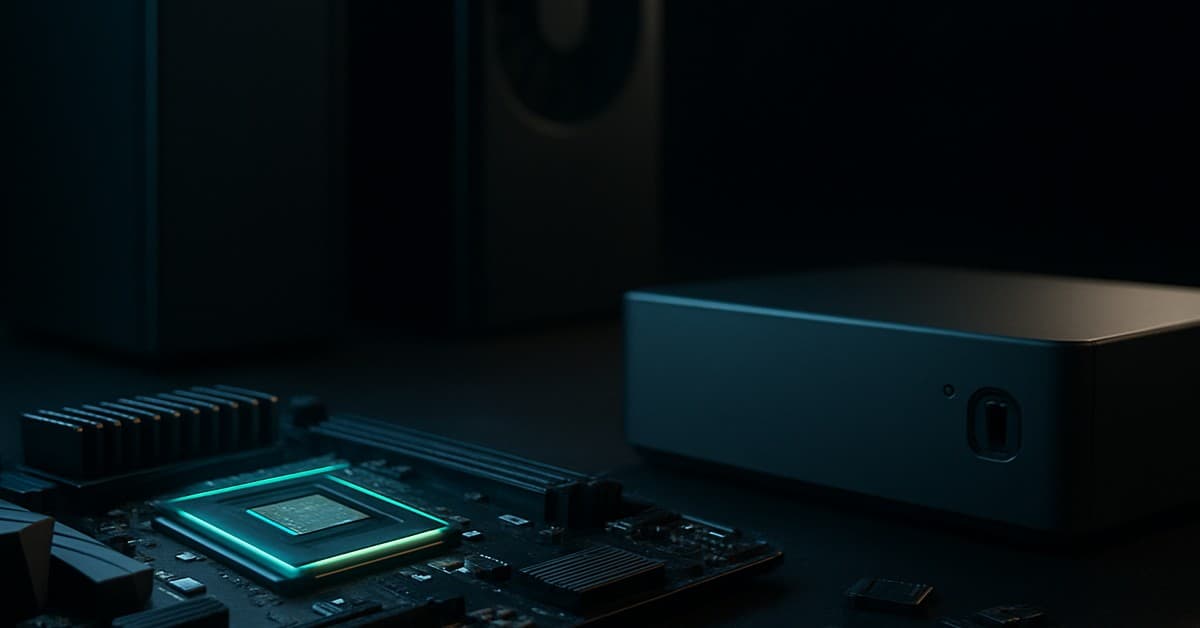
Microsoft's Project Helix chip is reportedly heading beyond the company's own next-gen Xbox console, with Asus, MSI and other brands set to use it in third-party gaming machines. The catch is blunt: consumers won’t be able to buy the Helix chip on its own. For players, that means the chip’s reach could spread, but the dream of building a cheap Helix-powered PC from scratch looks dead on arrival.
KeplerL2 made the claim on the NeoGAF forum, with WCCFTech relaying the post. “it won't be sold directly to consumers, but you will be able to buy an ASUS / MSI / etc Helix machine.” That matters because it shifts Project Helix from a potential DIY bargain part into a platform OEMs can package however they like, which usually means fewer choices for buyers and less control over the final price.
About Project Helix
Microsoft's Project Helix is described as the AMD-engineered basis of the next-gen Xbox console. The source says AMD built the chip, but Microsoft will keep Project Helix exclusive to its own hardware. In practical terms, that suggests Microsoft wants the benefits of a custom console chip without handing the core design to the wider PC market.
The article also says the chip may appear in an ASUS / MSI / etc Helix machine, which points to a broader hardware strategy than a single Xbox box. That could give Asus and MSI a way to sell machines around the same silicon family, while still leaving Microsoft in control of the most direct version of the hardware. For buyers, that usually means a split market: official console on one side, branded third-party systems on the other.
What Project Helix Could Change
- Project Helix is expected to translate into Zen 6 CPU cores. That matters because CPU design shapes how well a machine handles simulation-heavy games, background tasks, and the kind of frame pacing issues players notice immediately.
- The chip is expected to include a GPU most closely related to AMD's next-gen RDNA 5 family of PC graphics cards. In player terms, that points to a graphics setup aimed at modern effects and higher-end rendering rather than a stripped-down budget part.
- The precise mix of CPU and GPU core count may be exclusive to Helix. If Microsoft locks that down, OEMs won’t get to reshuffle the formula the way they might with a more ordinary PC chip.
- Some specific features in the ray tracing and/or machine learning spheres may be exclusive to Helix. That could give Helix machines their own visual or performance tricks, but it also means buyers may not get the same feature set on every AMD-powered device.
- Console chips are traditionally built in big numbers and with few if any variations. That tends to keep costs down and simplifies the hardware target for developers, but it also leaves less room for user upgrades or custom builds.
- The chip may have on-package memory. If that happens, the system could become more compact and easier for OEMs to package, though it would also reduce flexibility for anyone hoping to swap parts later.
- The chip may instead be a soldered-on chip with no socketing. In plain English, that would lock the chip into the device and make upgrades or replacement far more difficult.
That combination makes Project Helix sound less like a loose PC part and more like a tightly controlled console-style platform. Microsoft appears to want the efficiency of console hardware without giving up the option to let Asus, MSI and others build their own machines around it. For players, that could mean interesting devices, but not the open-ended bargain some people hoped for.
What This Means for Players
The biggest takeaway is simple: the cheap Helix-powered DIY box never really had a chance. The article floats the idea of Microsoft selling Xbox Helix boxes for $800, with a bare-bones setup that could have pushed a full gaming rig toward $500, but KeplerL2’s post shuts that door by saying the chip won’t be sold directly to consumers. That’s a smart move for Microsoft if it wants control, but it also kills the most exciting version of the idea for budget-minded PC players.
There’s still a chance Asus or MSI could undercut Microsoft’s own hardware, but the source doesn’t sound optimistic about that either. The Asus ROG Xbox Ally X gets called pricey, and the article points to the memory and broader computer chip crisis as a real obstacle for OEMs chasing a spectacular price point. Valve’s own trouble with chip prices, plus the disrupted launch of the upcoming Steam Machine, shows this isn’t just a Microsoft problem.
That makes Project Helix feel like a fascinating piece of hardware that may arrive in a much less friendly market than the one people imagined. Apple’s MacBook Neo gets mentioned as a relatively low-priced device, but the article is clear that it isn’t a gaming machine, so the comparison only goes so far. For now, Helix looks more like a controlled next-gen foundation than the budget PC saviour some observers hoped for.
Key Takeaways
- Microsoft's Project Helix is the AMD-engineered basis of the next-gen Xbox console.
- KeplerL2 said Helix “won't be sold directly to consumers.”
- Asus, MSI and other brands may use Helix in third-party gaming machines.
- Project Helix is expected to translate into Zen 6 CPU cores and a GPU related to AMD's RDNA 5 family.
What happens next depends on how Microsoft and its partners package the chip, and whether any Helix-based devices appear with a price that can actually tempt buyers. The source suggests Asus and MSI are in the frame, but it also makes clear that chip costs, memory choices and Microsoft’s own control over the platform could shape the final result. For now, the interesting part isn’t whether Helix exists. It’s whether anyone can turn it into a machine people actually want to buy.