Nintendo Confirms Price Split For Switch Successor
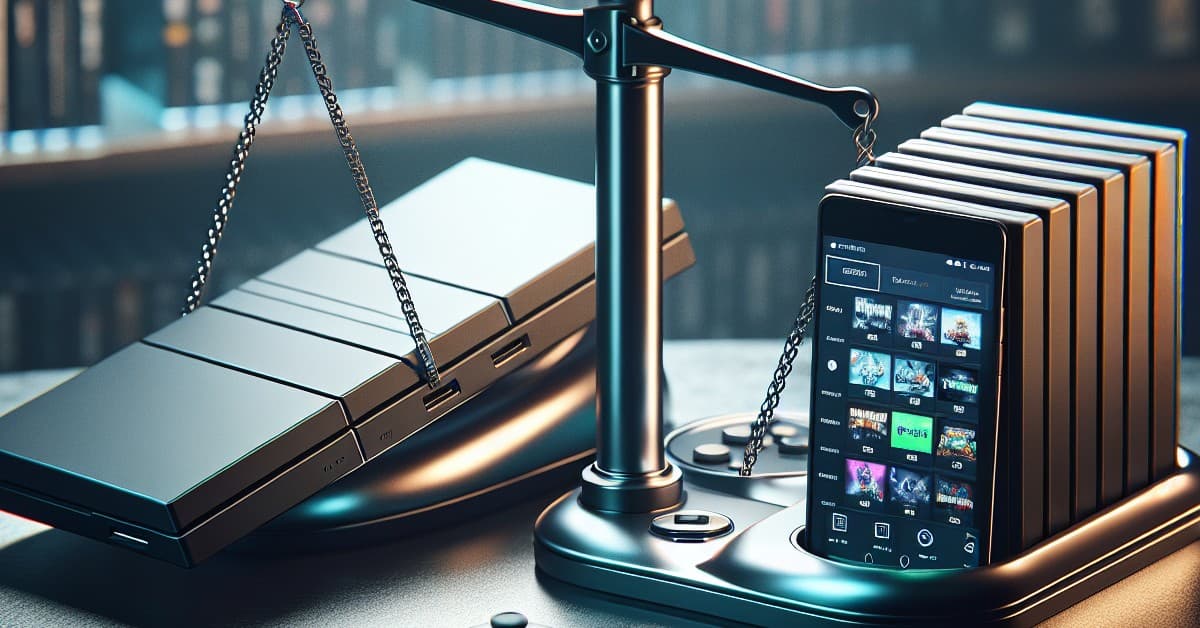
Nintendo's next console won't treat digital and physical games the same at the register. As reported by GameSpot, Nintendo's updated materials for its upcoming system state that "prices for the download and packaged versions may differ," signaling a clear break from the price parity that defined most first-party releases on Switch.
On the current Switch, Nintendo typically lists the same MSRP for digital and physical versions of its games, leaving retailers to provide most of the price variance on boxed copies through sales or promotions. That expectation is changing. With Switch 2, the eShop price you see may not match the sticker on a cartridge hanging at retail, and vice versa.
This shift also dovetails with Nintendo's "case-by-case" approach to software pricing that emerged last generation. The Legend of Zelda: Tears of the Kingdom launched at $70, while other first-party titles like Pikmin 4 remained $60. Moving forward, not only can the base price vary by game, but the format could influence what you pay on day one.
What Changes For Players And Retailers
Practically speaking, shoppers will need to compare storefronts rather than assume parity. Physical retailers already discount aggressively; now, the digital side may do the same on Nintendo's schedule, or it may hold firmer on certain marquee releases. Expect day-one decisions to include a quick check of both the eShop and your preferred store—especially for big launches where every dollar counts.
For boxed games, cartridge manufacturing comes with tiered costs based on storage size, a pressure point publishers have navigated on Switch for years. That can nudge physical MSRPs up or down depending on the game. Digital avoids that bill of materials but carries platform fees and the option to price strategically for convenience. Nintendo embracing a format-based split gives publishers more levers to pull when setting those final numbers.
Retailers, meanwhile, gain more room to compete without being anchored to a matching eShop MSRP. Expect standard patterns—physical copies dipping quicker at big-box chains, digital versions participating in publisher sales events and seasonal promos. Preorder guarantees and trade-in credits could matter more if physical prices creep higher on certain titles while digital stays flat (or the reverse).
Why Nintendo Might Do This
Two realities likely drive the change. First, player behavior has shifted further toward digital, but physical still commands a loyal audience that values ownership, lending, and collecting. Treating the two formats as distinct products lets Nintendo and its partners meet those audiences with targeted pricing. Second, software budgets and cartridge capacities vary widely. A flexible scheme acknowledges that a 40-hour tentpole and a smaller-scale project shouldn't be forced into the same price box—nor should their formats.
Historically, Nintendo has been cautious with discounts on its biggest games. Even so, fans have learned to save through offers like My Nintendo Gold Points, regional sales, and eShop vouchers when available. With format-based pricing on the table for Switch 2, those tactics become more important. If you don't mind waiting, physical price drops may undercut digital. If you prefer day-one digital convenience, stock up on eShop credit or watch for limited-time promos.
What We Still Don't Know
Nintendo hasn't detailed which specific launch titles will see format differences, how large those gaps could be, or whether first-party games will trend cheaper in one format. The updated language simply draws a new boundary: parity is no longer a given. GameSpot's report doesn't list final price points, and Nintendo hasn't committed to a standard MSRP for the new era beyond its established "case-by-case" stance.
That ambiguity cuts both ways. You could pay less for the format you prefer, or face a premium for the same reason. Either way, transparency around preorders and clear eShop messaging will matter. If Nintendo keeps price histories visible and signals upcoming promotions, players will have a fair shot at timing their purchases.
As Switch 2 approaches, start treating price checks like part of your loadout. Compare formats, keep an eye on vouchers and retailer deals, and don't assume the eShop label matches the box on a shelf. If competition between channels heats up, players stand to win—provided they're paying attention.