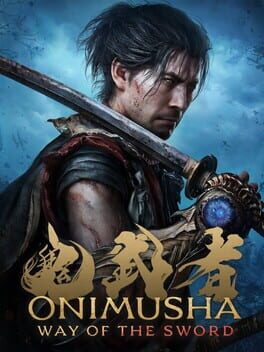
Capcom's Onimusha: Way of the Sword has claimed the top-selling spot on Steam just one day after launch, a striking turnaround for a series that has been dormant since 2006. The action title debuted at No. 6 on Friday with 40,000 concurrent players tracked by SteamDB, then climbed to No. 1 by Saturday with 74,575 active users — outpacing fellow new releases The Blood of Dawnwalker, Halloween: The Game, and WARDOGS. For players who have waited nearly two decades for a mainline Onimusha return, the numbers confirm the franchise still commands serious attention.
Quick Facts — Onimusha: Way of the Sword
| Developer | Capcom |
|---|---|
| Platform(s) | PC |
| Genre | Action |
| Score | 85 |
The game arrives on PC with a reimagined Edo-period Kyoto setting and a Metacritic score of 85 at time of writing, signaling broadly positive critical reception. Yet the consensus carries a notable caveat: reviewers agree the combat system, while deep, becomes repetitive across a campaign that critics argue should have ended hours earlier. That tension between commercial momentum and design criticism will define whether this revival sustains itself or fades once the launch surge settles.
Onimusha's Steam Comeback
Onimusha: Way of the Sword marks Capcom's first mainline entry in the action series since Onimusha: Dawn of Dreams released in 2006 — a long-awaited return that makes this launch a generational event for longtime fans. Developed and published by Capcom, the game transplants the franchise's supernatural samurai combat into a reimagined Edo-period Kyoto, blending historical atmosphere with the series' signature demon-slaying action. The PC release represents a focused platform strategy rather than a simultaneous multi-platform rollout.
For players unfamiliar with the series, this entry functions as both a continuation and an accessible jumping-on point.
Onimusha’s Glowing Metacritic Shadow
"There are moments in Onimusha: Way of the Sword where everything else fades. The controller falls away, the universe collapses, and the distance between you and Miyamoto Musashi is annihilated. There is nothing but move and counter move, sword clashing against sword, call and response."
Will Borger, IGN
But Polygon's Giovanni Colantoni and ScreenRant's Chris Carter both identify the same structural problem: the game does not know when to stop. Colantoni writes, "It feels like a great 12-hour game stretched to an exhausting 25-hour one. Piecemeal progression and recycled bosses go hand-in-hand with repetitive rift-closing missions and backtracks through previous levels to clear busy work sidequests." Carter echoes the boss recycling criticism but argues it "takes little away from the overall game experience," calling the title "a triumph" for hardcore action fans who crank the difficulty.
No. 1 Debut: The Secret Behind Way of the Sword’s Steam Domination
The Steam charts don't lie: 74,575 concurrent players on day two is a genuine hit launch, and the No. 1 bestseller spot means word-of-mouth and algorithmic visibility are now feeding each other. For anyone on the fence, the critical consensus offers a practical rubric. If you value tight, high-skill sword combat and can tolerate — or even enjoy — mastering a system across repeated encounters, the 25-hour runtime becomes a feature, not a bug. The "jack up the difficulty" advice from ScreenRant is sound: higher difficulties force engagement with the parry-counter depth that IGN praises, turning routine fights into the tense duels Borger describes.
Conversely, players who measure value by variety of scenarios, enemy types, and progression hooks may hit the wall Colantoni describes. Recycled bosses and rift-closing missions are structural padding, not difficulty spikes, and no difficulty setting adds new attack patterns to a reused enemy. The progression system's "piecemeal" nature means open ups arrive slowly enough that the mid-game can feel like maintenance rather than growth. This is a game that rewards patience and repetition tolerance — know which camp you fall into before buying.
Key Takeaways
- Onimusha: Way of the Sword rose from No. 6 to No. 1 on Steam within 24 hours of launch
- SteamDB recorded 40,000 concurrent players on day one and 74,575 on day two
- Metacritic score sits at 85 with critics praising combat depth but criticizing repetitive content and pacing
- Reviewers estimate the core experience should run ~12 hours but stretches to ~25 hours due to recycled bosses and backtracking
The next test isn't critical — it's commercial sustainability. Launch surges for single-player action games typically drop 60-80% in week two as the initial audience finishes the campaign. If Capcom has post-launch content planned — New Game Plus, difficulty modifiers, or substantial DLC — the player count curve could flatten rather than plummet. The long wait created pent-up demand; the question is whether the game's systems can convert that demand into a living community. Watch the Steam charts next weekend. They'll tell the real story.