About Rocket League
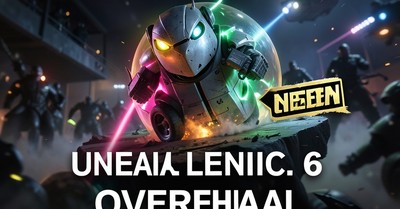
Rocket League, blending physics-based gameplay with the simplicity of car football, has maintained its competitive edge for 11 years with minimal balance changes, a rarity in the gaming world. Its esports scene thrives, attracting a broad audience due to its easy-to-understand yet difficult-to-master gameplay, akin to traditional sports in simplicity and consistency. Unlike complex esports titles, Rocket League's accessibility makes it uniquely appealing to both new and veteran viewers.
The game's current run on Unreal Engine 3, a 20-year-old engine, has sparked speculation about a potential upgrade. The announcement that Rocket League's future development will utilize the unreleased Unreal Engine 6 has excited the community, promising the ability to release content more rapidly and attract new talent familiar with modern Unreal Engine technologies. This transition, though without a set timeline, is anticipated to enhance the game's longevity and potentially usher in a new peak in its popularity.
The Unreal Engine 6 Factor and Community Engagement
The switch to Unreal Engine 6 is seen as a pivotal moment for Rocket League.
"With 11 years of history, you have different moments, right? I think lately it's been pretty good momentum. Reaching record high concurrent player numbers and the number of players we have playing every month this year is higher than last year."
Mauricio Longoni, Senior Director of Game Development at Psyonix
Longoni also emphasizes the team's renewed commitment to community engagement,
"I think we're in a good moment and we want to be more open, listen to our players and grow Rocket League with them."
Mauricio Longoni, Senior Director of Game Development at Psyonix
Recent steps, such as the implementation of Easy Anti-Cheat with overwhelmingly positive feedback, underscore this commitment.
Despite high player counts, the game's forums appear less vibrant, a phenomenon Longoni attributes to the game's simplicity and consistency, suggesting a "beautiful cycle" where high-level play inspires new players, creating a sustainable ecosystem. This simplicity, comparable to traditional sports, contributes to Rocket League's broad appeal and potential for indefinite growth within the esports landscape.
The Rocket League Community: Passion Amidst Polarization
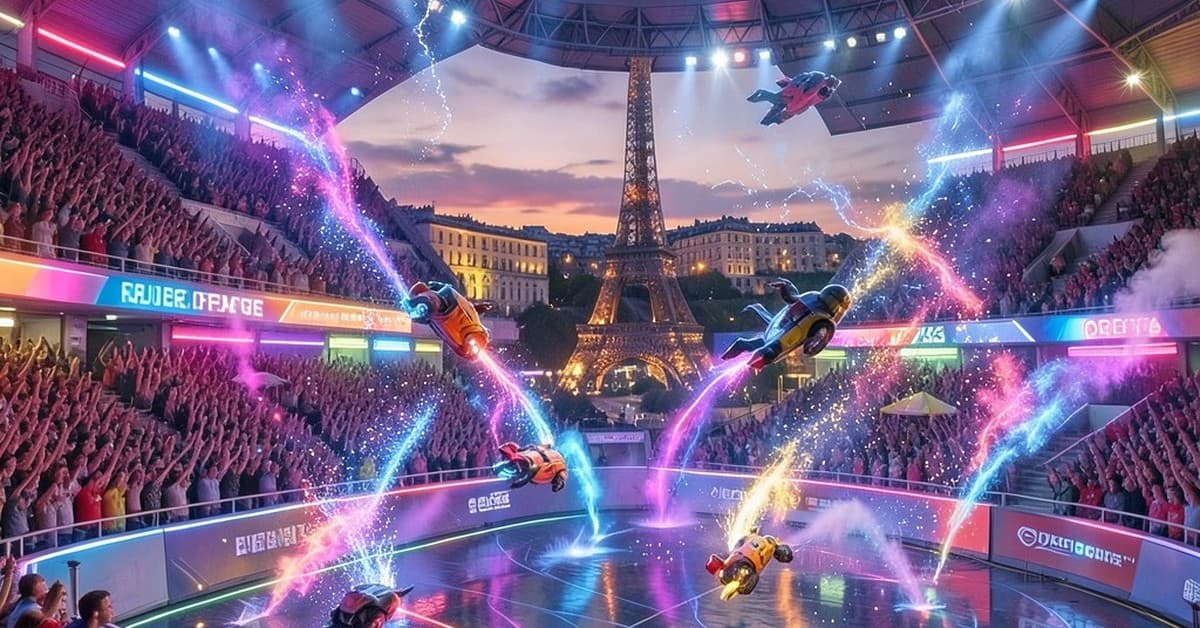
The community remains passionately dedicated, as evidenced by the electric atmosphere at the Paris Major, particularly among groups like Le Wall Blue, the ultra fan base of Karmine Corp. Their unwavering spirit and the unexpected championship win of Karmine Corp in Paris highlighted the deep emotional investment of fans. Epic's branding of Rocket League as "the sport for gamers" resonates, given its spectator-friendly nature and booming success in regions like Europe, North America, and the Middle East.
While not all community members are reconciled with Epic's stewardship, the Paris Major and the promise of Unreal Engine 6 suggest a potential turning point. The challenge for Epic and Psyonix will be to leverage this momentum, addressing community concerns while capitalizing on the game's enduring appeal to propel Rocket League into a brighter, more inclusive future.
What This Means for Players
The 2026 Paris Major may indeed mark a turning point for Rocket League, symbolizing a shift towards renewed community engagement and technological advancement. For players, this means potentially more content, improved gameplay experiences, and a strengthened esports scene. The upcoming transition to Unreal Engine 6, though awaiting a timeline, promises to revitalize the game's development pace and quality. As the community looks forward, the interplay between Epic's strategies, community feedback, and the game's inherent simplicity will dictate whether Rocket League can fully reconcile its past controversies and ascend to new heights of popularity and player satisfaction.
In the midst of this evolution, one thing remains clear: Rocket League's core concept—cars playing football—remains irresistibly engaging. With a dedicated fan base like Le Wall Blue at its forefront, the game's future, while uncertain, is undoubtedly backed by a passionate community ready for whatever comes next.
The Road Ahead
As Rocket League navigates this critical juncture, players and spectators alike await the first glimpses of Unreal Engine 6 integration and the continued evolution of the game's esports platform. The Paris Major's success, coupled with the game's record player counts, positions Rocket League for a potential resurgence in community trust and broader appeal. Whether this momentum translates into long-term growth will depend on the careful balance of innovation and community satisfaction, a challenge Epic and Psyonix are keenly aware of as they steer Rocket League toward its next decade.
For now, the roar of 25,000 fans at La Défense Arena echoes as a powerful reminder of Rocket League's enduring passion and its potential to thrive in the ever-competitive gaming landscape.
Key Takeaways
- The 2026 RLCS Paris Major attracted 25,000 fans, highlighting Rocket League's popularity.
- Rocket League has seen record high concurrent player counts in recent months despite community polarization.
- An upcoming switch to Unreal Engine 6 is anticipated to enhance development and potentially boost the game's popularity.
- The community remains passionate, with dedicated fan groups like Le Wall Blue.
- Epic Games and Psyonix aim to be more open and listen to players to grow the game.