Physical Costs Split: $70 Box, $60 Download
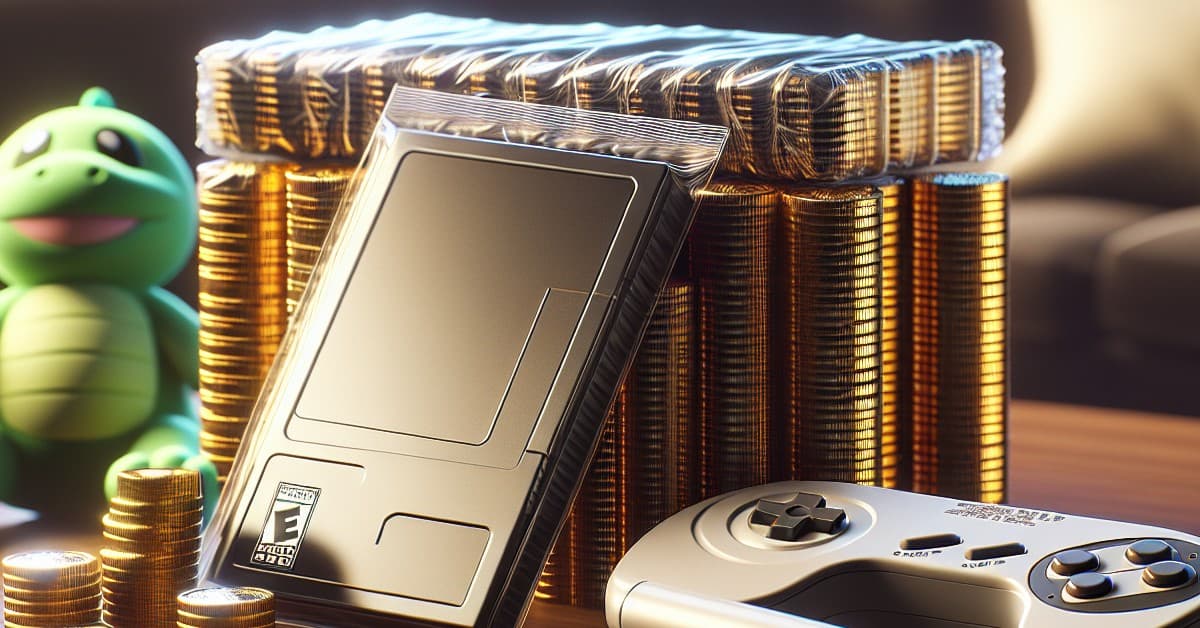
A $10 gap just opened on Switch 2 pricing. Nintendo’s next first-party release, Yoshi and the Mysterious Book, will cost $70 if you buy the cartridge and $60 if you go digital, according to Nintendo’s official store listing.
That split kicks in with Yoshi’s May 21 launch and marks the start of a new policy where physical and digital versions of Switch 2–exclusive games carry different MSRPs. Two weeks ago, the same game briefly appeared at $60 on Nintendo’s site, which makes this look less like a digital discount and more like a physical premium taking hold.
Retailers can still set their own prices. Nintendo lists a recommended retail price, but chains like Walmart and Target may go lower or run promos. Early confusion hasn’t helped, either, with U.S. pricing lagging behind other regions during the announcement window.
Nintendo framed the move as a reflection of format costs. In a statement shared with our sister site Gizmodo, the company pushed back on the idea that boxed games are getting more expensive and emphasized that U.S. digital MSRPs for Switch 2 exclusives will be lower than their physical counterparts.
The cost of physical games is not going up. This means that when Nintendo sells digital versions of Nintendo published games exclusive to Nintendo Switch 2 to consumers in the U.S., those prices will have an MSRP that is lower than their physical counterparts. Retail partners set their own prices for physical and digital games, and pricing for each title may vary.
Clear? Not entirely. What is clear: in the UK, Yoshi is £50, the usual tag for what’s typically a $60 game in the U.S. That strongly suggests Yoshi’s base price is $60, with a $70 physical edition layered on top.
What This Means For Future Releases
Expect the same split to show up on other first-party Switch 2 titles like Pokémon Winds and Waves and Splatoon Raiders. The bigger unknown is where the ceiling sits. If $70 becomes the standard digital tag for some blockbusters, does that translate to $80 for cartridges? Could a flagship 3D Mario match Mario Kart World’s tier and push a physical copy to $90?
Nintendo has been preparing fans for variability since Switch 2 launched. Then–Nintendo of America president Doug Bowser said the company would price games “on a case-by-case basis,” pointing to “the breadth and depth of the gameplay” and “repeatability of gameplay experiences” as factors, and adding, “you can anticipate that there will be variable pricing.” That flexibility has already shown up in DLC strategy and upgrade paths, and now it’s baked into how you buy the base game itself.
Why Physical Might Cost More
There’s a practical driver here: components. Switch 2 cartridges use SD Express tech, which costs more than the last generation’s media. Those higher manufacturing and distribution costs make physical copies pricier to produce and ship than a download code. Some publishers have even flirted with cheaper “game key cards” — plastic DRM keys instead of full carts — to dodge the expense.
Nintendo has already crossed the $80 threshold on select releases this gen, so a premium for the box isn’t coming out of nowhere. The new Yoshi pricing simply formalizes the idea that convenience and collectability carry a surcharge. For players who favor shelves over storage space, the difference may sting.
Timing, Exceptions, And The Near-Term Lineup
Yoshi lands on May 21 and, as of now, no other Nintendo-published Switch 2 titles are slotted before it. Pokémon Pokopia appears to have slipped by before the change, and Tomodachi Life: Living the Dream arrives in April on Switch 1, so it isn’t affected.
Platform-wide consistency still looks a ways off. Prices can vary by game, by format, and by region, and retailers will keep muddying the water with their own tags. For now, the most reliable reading is simple: on Switch 2, “digital” is the floor and “physical” is a premium tier.
How this plays out will depend on fan tolerance and retail competition. If boxed sales soften, expect more aggressive store discounts and bundles. If collectors keep showing up for cartridges, Nintendo has every reason to hold the line — and maybe test it — as bigger hitters roll in later this year.