
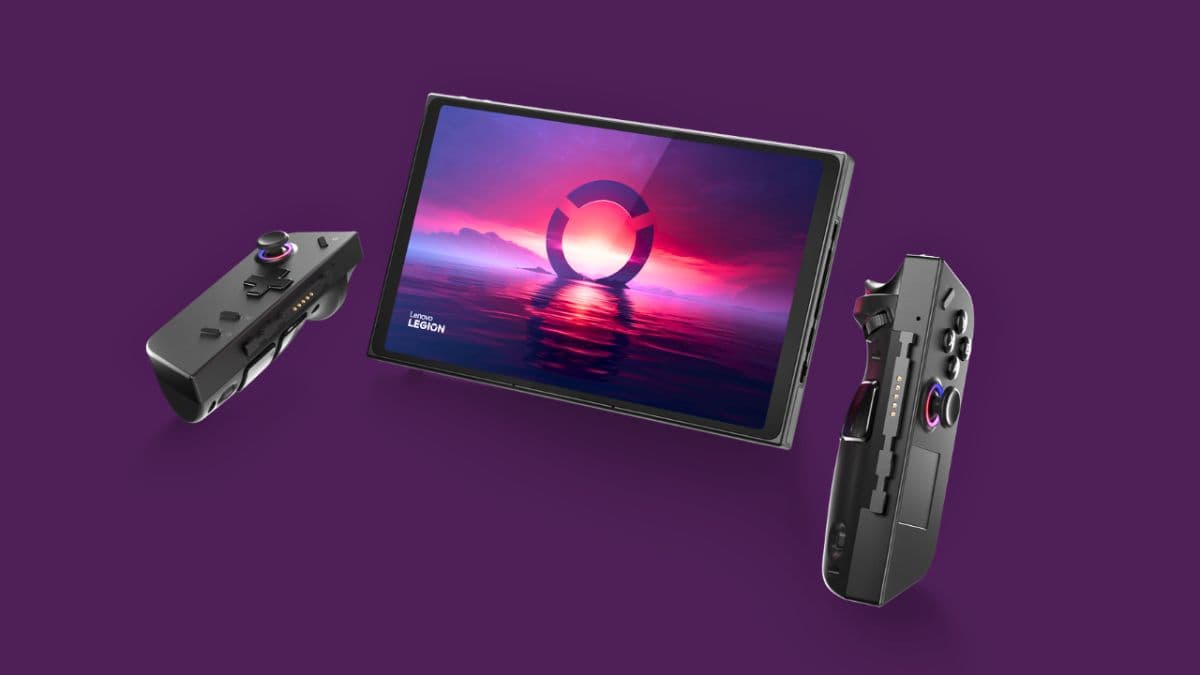
The Lenovo Legion Go has entered the market as a formidable contender in the world of handheld gaming devices. Running on Windows 11, it brings a unique blend of features and performance. This review provides an in-depth analysis of the Lenovo Legion Go, evaluating its strengths and weaknesses and comparing it to its closest competitor, the Steam Deck.
Design and Display
The Lenovo Legion Go boasts an impressive 8.8-inch display with a refresh rate of 144Hz, setting a new standard for visual clarity and smoothness in handheld gaming. This large screen size enhances the gaming experience, offering vivid colors and sharp details. The detachable controllers add versatility, allowing gamers to adapt their play style as needed. Additionally, the sturdy kickstand is a welcome feature, providing stability during gameplay.
User Experience and Compatibility
One of the standout features of the Lenovo Legion Go is its compatibility with multiple launchers. This flexibility allows users to access a wide range of games and applications, catering to diverse gaming preferences. The intuitive launcher further simplifies navigation, making the overall user experience seamless and enjoyable.
Performance
While the Lenovo Legion Go delivers decent performance, it does not quite reach the heights of some of its competitors, like the Steam Deck. This discrepancy is notable in more demanding games, where the performance of the Legion Go can be adequate but not exceptional. This aspect is crucial for gamers who prioritize high-performance gameplay.
Battery Life
A significant drawback of the Lenovo Legion Go is its poor battery life. For a handheld gaming device, battery endurance is crucial, especially for gamers who prefer playing on the go. This limitation might deter potential buyers who need a device that can sustain longer gaming sessions without frequent recharging.
Controller Functionality
The right controller of the Lenovo Legion Go has received mixed reviews. Some users find its functionality odd and less intuitive compared to the left controller. This inconsistency can affect the gaming experience, particularly in games that require precise control and symmetry in input.
Comparison with Steam Deck
When compared to the Steam Deck, Lenovo's Legion Go shows both advantages and limitations. While it excels in display quality and controller versatility, it falls short in terms of overall performance and battery life. The Steam Deck provides a more seamless experience overall, though the Legion Go holds its ground with its unique features.
Final Thoughts
The Lenovo Legion Go marks an important step in the evolution of Windows 11 handheld gaming devices. Its large, high-refresh-rate screen and detachable controllers set it apart in the market. However, its mediocre performance and poor battery life are areas that need improvement. The device caters to a specific niche of gamers who value flexibility and screen quality over raw performance and battery endurance. As the handheld gaming market continues to grow, the Lenovo Legion Go represents an interesting option, though it may not be the best fit for every gamer.


