
The handheld gaming PC market has been buzzing with excitement following the launch of the Lenovo Legion Go. Joining its closest competitor, the Asus ROG Ally, these two devices have stirred interest among gaming enthusiasts. We dive deep into their features, performance, and overall experience to help you make an informed decision.
Design and Display: A Tale of Two Handhelds
Legion Go's Robust Versatility
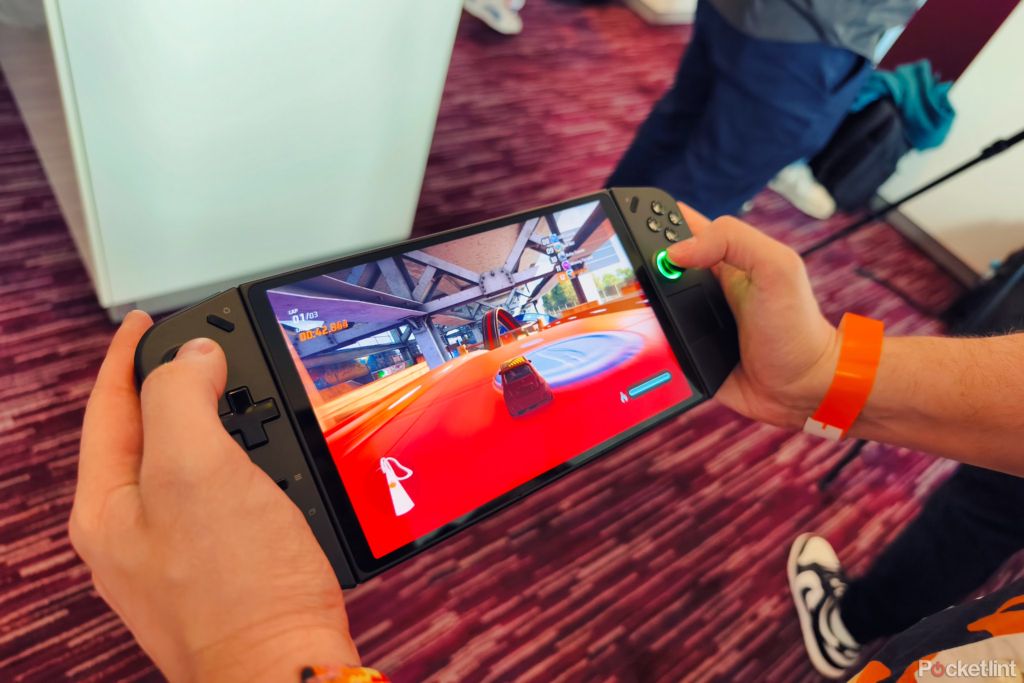
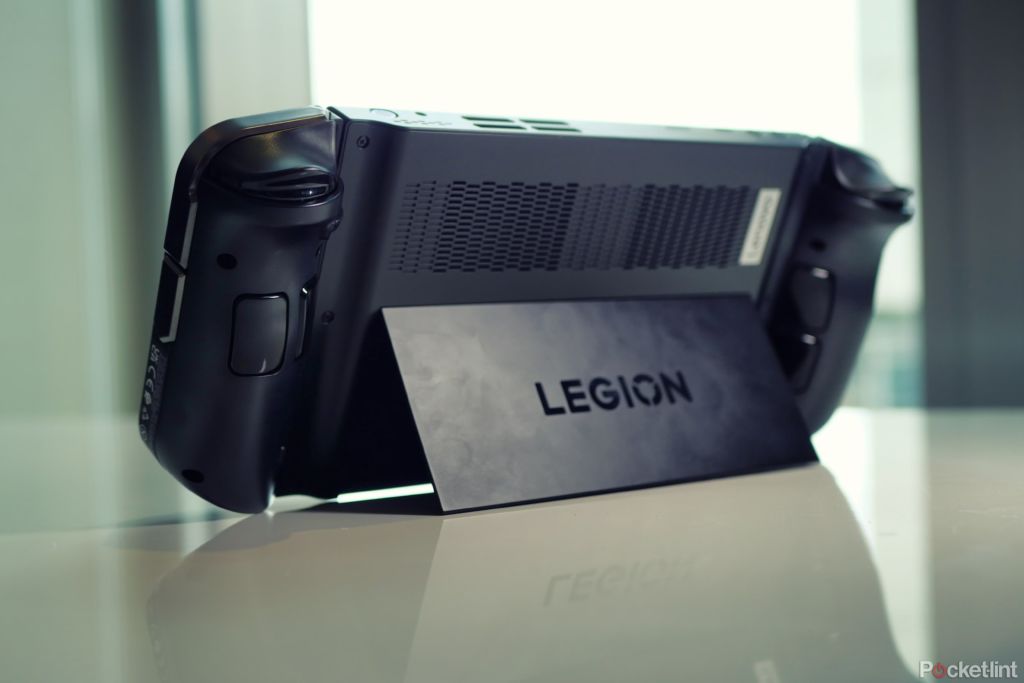
The Lenovo Legion Go stands out with its larger size, accommodating a generously sized 8.8-inch IPS display with a stunning 2560x1600 resolution at a 144Hz refresh rate. Its ability to detach controllers, akin to the Nintendo Switch, and a built-in kickstand for propping the screen, highlight its versatility. However, this comes with a noticeable weight of 854g and slightly bulkier dimensions.
ROG Ally's Compact Elegance
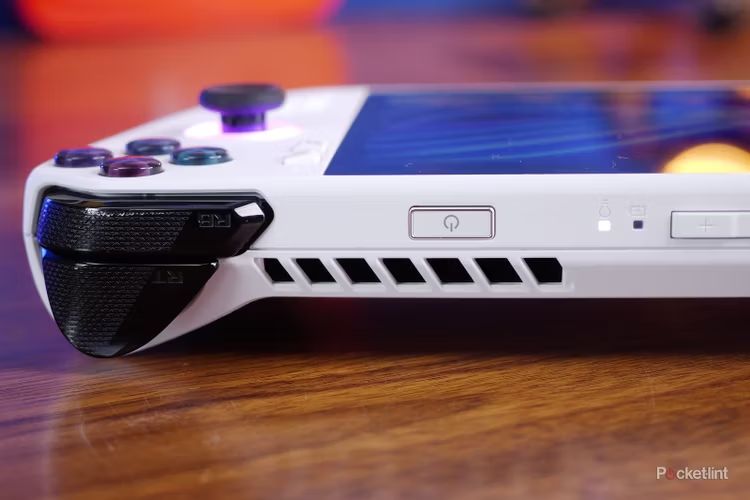
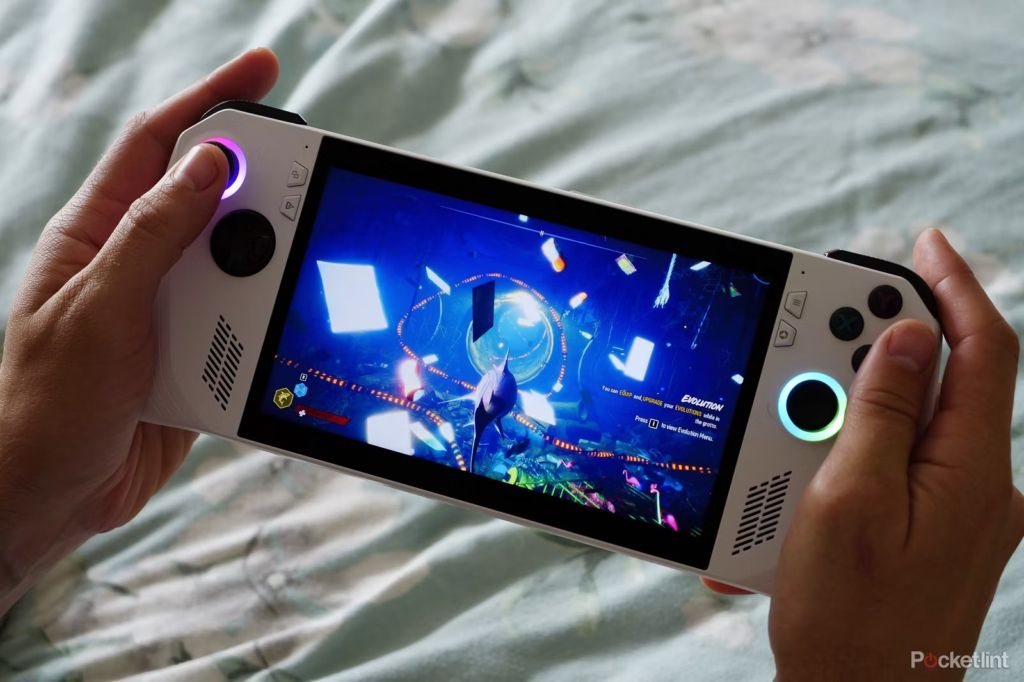
In contrast, the Asus ROG Ally is more compact and lighter at 608 grams, featuring a 7-inch Full HD IPS touchscreen with a 120Hz refresh rate. While it doesn't offer the detachable controllers or the same screen real estate as the Legion Go, it wins in portability and ease of handling.
Performance and Hardware: Power in Your Hands
Processor and Storage
Both devices are powered by the AMD Ryzen Z1 Extreme chipset, ensuring robust performance. The Legion Go offers up to 1TB PCIe 4.0 storage, while the ROG Ally comes with a 512GB PCle 4.0 SSD and a microSD card slot. Notably, the Legion Go supports newer M.2 2242 SSDs, which might be harder to find compared to the ROG Ally's standard M.2 2230 SSDs.
Memory and Graphics
The Legion Go and ROG Ally both boast 16GB of high-speed LPDDR5 memory. Despite the Legion Go's faster memory, the difference in gaming performance is likely to be minimal. Both devices are expected to run modern games smoothly, though you may need to adjust settings for optimal performance due to the limitations of their mobile GPUs.
Operating System: Windows 11 Gaming Experience
Both handhelds run on Microsoft Windows 11, providing a familiar desktop experience. However, navigating Windows on a handheld device can be challenging. The Legion Go's larger screen and controller-to-mouse transformation capability offer a slight edge in ease of use over the ROG Ally.
Controls: Gaming at Your Fingertips
Legion Go's Innovative Controls
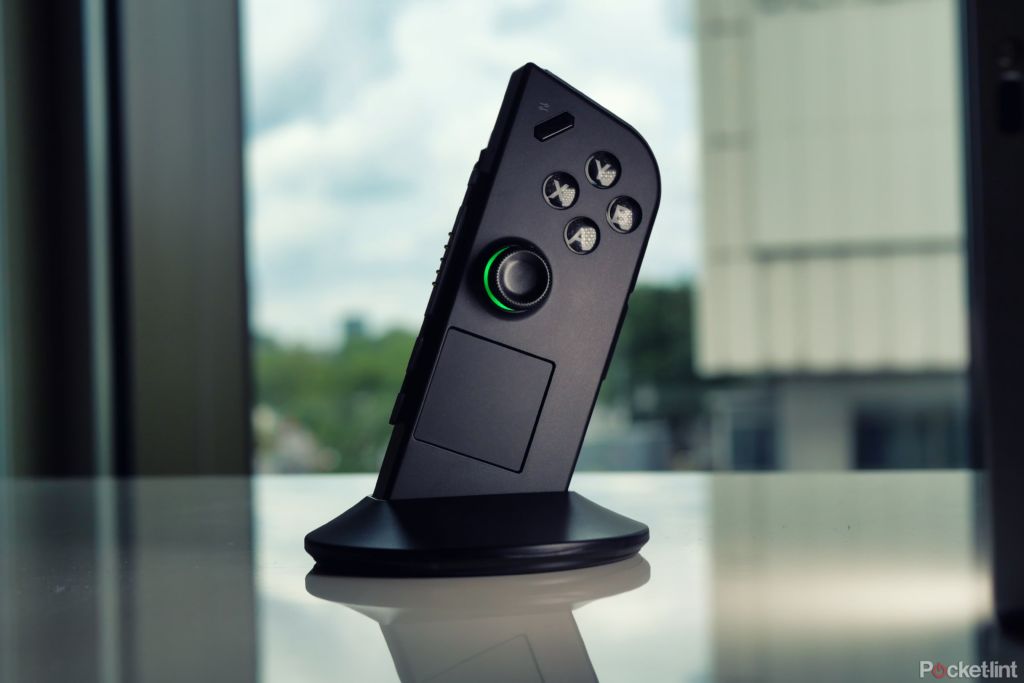
The Lenovo Legion Go introduces detachable controllers and an "FPS mode," which turns the right-hand controller into a mouse-like device. This feature is particularly beneficial for first-person shooter games and enhances the overall desktop browsing experience.
ROG Ally's Familiar Layout
The Asus ROG Ally, while lacking the detachable controllers and FPS mode, offers a comfortable and familiar Xbox-style control layout. This makes it a solid choice for gamers accustomed to traditional console gaming.
Price, Specs, and Availability
Both the Lenovo Legion Go and Asus ROG Ally are priced at an MSRP of $699. They are available on the manufacturers' websites and major retailers like Best Buy. The choice between the two comes down to personal preference regarding size, weight, and the unique features each offers.
Final Thoughts: Choosing the Right Handheld Gaming PC
The Lenovo Legion Go emerges as a more versatile and feature-rich option, ideal for those seeking a larger screen and innovative control options. Its ability to function as a makeshift desktop PC adds to its appeal. However, the Asus ROG Ally is an excellent alternative for gamers prioritizing a more compact and lightweight device without compromising on performance.


