
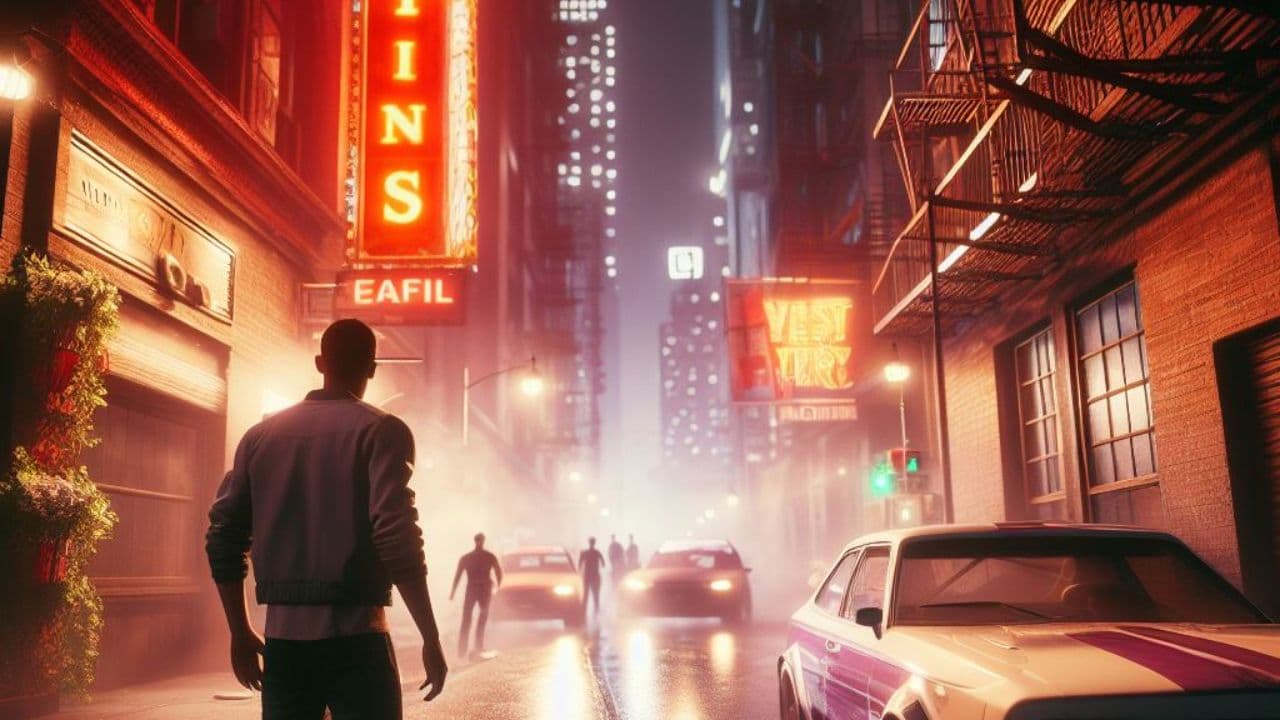
The gaming community has long cherished Need for Speed Most Wanted, released in 2005, for its gripping racing dynamics and memorable soundtrack. While modern iterations have tried, none have quite recaptured its unique appeal. A fan, going by the YouTube name NostalgiaNexus, is attempting to bring this classic back to life using Unreal Engine 5. This article offers an in-depth look at this promising project and the anticipation it has generated among fans.
The History of NFS Most Wanted
Initially released in 2005, Need for Speed Most Wanted set a benchmark for racing games. Combining intense racing action, an engaging storyline, and a captivating soundtrack, the game achieved iconic status. However, despite various attempts, subsequent entries in the franchise have failed to evoke the same level of enthusiasm. This context sets the stage for the substantial demand for a remake.
Unreal Engine 5: A Game-Changer
The use of Unreal Engine 5 for this fan-made project is noteworthy. Unreal Engine 5 has rapidly gained recognition for its user-friendly interface and powerful tools, giving independent developers the capability to recreate complex games like Need for Speed Most Wanted. The engine's technology, notably its real-time lighting and geometry capabilities, makes it well-suited for a project aiming to modernize a classic game.
What the Project Entails
NostalgiaNexus has imported the original game's map into this Unreal Engine 5 project, but that is just the tip of the iceberg. The project boasts a visually stunning rendition of the BMW M3 GTR, complete with 8K road textures. Additional reworks include updates to various other textures from the original game. While the project remains in its early stages, the existing build has already elicited positive responses.
Audio and Visual Enhancements
One of the standout features is the use of the original TVR Cerbera sound for the BMW M3 GTR, which has already struck a chord of nostalgia among fans. Furthermore, Unreal Engine 5's Lumen technology ensures superior lighting effects, updating the game's visuals to match current standards. Such refinements indicate a dedicated effort to produce a faithful yet enhanced rendition of the original.
Expectations and Future Developments
Though the project shows promise, it is worth noting that it is still in the early stages of development. NostalgiaNexus has only recently begun work on this Need for Speed Most Wanted remake. Consequently, further improvements and refinements are anticipated in the coming months, as indicated by the creator.
Rumors of an Official Remake
Interestingly, Simone Bailly, who portrayed Officer Turf in the original game, hinted at an official remake for 2024 in a social media post in July 2023. Although the post was later removed, it has sparked immense anticipation among fans. This development is particularly intriguing in light of EA's announcement that Criterion will develop the next official Need for Speed game.
Final Thoughts
The fan-made Need for Speed Most Wanted remake in Unreal Engine 5 shows substantial promise, capturing the gaming community's attention and meeting long-standing demands for a revisit to this classic. While it's still an early build, the dedication and meticulous attention to detail from the creator are commendable. As we eagerly await further developments, this project reiterates the lasting impact of the original game and sets the stage for what could be an exciting period for the Need for Speed franchise.


