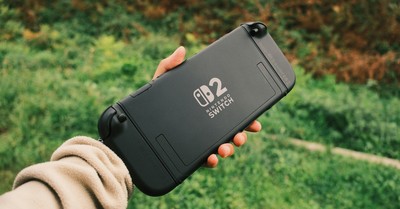
Nintendo's Switch 2, despite recent successes with titles like Pokémon Pokopia and Donkey Kong Bananza, is at the center of a potentially controversial decision: a price hike. According to a Bloomberg report, Nintendo is under pressure from shareholders to increase the console's price from $450 to potentially $500, citing six consecutive months of falling stock prices, the longest negative streak for the company since 2016.
Quick Facts
| Publisher | Nintendo |
|---|---|
| Platform(s) | Switch 2 |
| Release Date | next month (1 year old) |
| Price | $450 (potential $500 hike) |
The timing of this potential increase is particularly noteworthy, as the Switch 2 is set to mark its first anniversary next month. Raising the price before this milestone could be seen as counterintuitive, especially given the console's rumored sale at a loss. Furthermore, with the exception of Splatoon Raiders in July 2026, the rest of the console's upcoming schedule remains uncertain, adding to the complexity of the decision.
About the Potential Price Hike
The consideration for a price hike is not isolated to Nintendo; it follows in the footsteps of Sony's PS5 price increase earlier this year. However, the economic context and the potential impact on consumers are causing apprehension. As highlighted by Bloomberg's Takashi Mochizuki and Alice French, "Nintendo investors are concerned that the $450 Switch 2 is deeply unprofitable," with global supply chain issues and increased costs for components and materials exacerbating the situation.
"I think they would be foolish to raise prices,"
analyst Michael Pachter
"The consumer is hurting — people are paying more for gasoline and food, and when prices go up, entertainment budgets are one of the first things to go."
analyst Michael Pachter
Implications for Consumers and the Market
A $50 price hike would not only affect the Switch 2's competitiveness in the market but also contribute to the growing perception that gaming is becoming increasingly unaffordable. With game prices rising across the board, the timing of such a move could not be more challenging for potential buyers. The decision comes at a critical juncture, with the console community awaiting Nintendo's quarterly earnings report this Friday, which may provide clarity on the company's pricing strategy.
The potential for selling the console at a loss, coupled with the poor timing relative to its anniversary, suggests that Nintendo is facing significant internal and external pressures. The path forward is fraught with risk, as misjudging consumer willingness to pay more could exacerbate the decline in stock prices rather than alleviate it.
What This Means for Players
For players, the potential price hike of the Switch 2 to $500 signifies a broader trend in the gaming industry where costs are being passed on to consumers. This move, if it happens, would make the Switch 2 less accessible to new buyers, potentially slowing its adoption rate. Given the console's upcoming anniversary and the lack of clarity on its future game lineup beyond Splatoon Raiders, the decision could impact player engagement and expectations for the platform's support.
Moreover, the justification for the hike—based on production costs and shareholder pressure rather than added value for the consumer—may meet with resistance from the gaming community. Players who have supported the Switch 2 since its launch may feel that a price increase at this stage is unjustified, especially without concurrent announcements of significant enhancements or exclusive titles to offset the cost.
Conclusion and Next Steps
Nintendo's quarterly earnings report this Friday will be closely watched for any indications of the Switch 2's pricing strategy. As the company navigates these challenging waters, the decision on whether to raise the console's price will have far-reaching implications for both shareholders and the gaming community. The economic backdrop and the recent PS5 price hike suggest that Nintendo is not alone in its challenges, but the unique timing and circumstances surrounding the Switch 2 make its situation particularly precarious.
Players and investors alike will be awaiting the report with bated breath, hoping for clarity on the console's future. Whether Nintendo opts for a price hike or explores alternative strategies to address its financial concerns, the impact on the gaming landscape will undoubtedly be significant.
Key Takeaways
- Nintendo considers a $50 price hike for the Switch 2 due to falling stock prices.
- The potential hike comes before the console's one-year anniversary next month.
- Analyst Michael Pachter warns against the hike due to consumer budget constraints.
- Splatoon Raiders is set for release in July 2026, with the rest of the lineup uncertain.