Rebuilding Sanctuary: Inside Diablo IV: Lord of Hatred's Evolutionary Approach
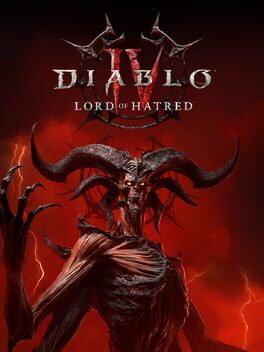
Diablo IV: Lord of Hatred, the highly anticipated second major expansion to Blizzard's action RPG, marks a pivotal moment in the game's lifecycle. Three years after Diablo IV's debut, Lord of Hatred stands as the most significant update since launch, promising not just more content, but a deeper, more refined experience. According to Zaven Haroutunian, Associate Game Director, "An expansion is not about fixing; it's about evolving," setting the tone for what Lord of Hatred achieves.
Quick Facts — Diablo IV: Lord of Hatred
| Developer | Universal Studios Hollywood Hub |
|---|---|
| Publisher | null |
| Platform(s) | PC |
| Release Date | null |
| Genre | Action RPG |
| Price | null |
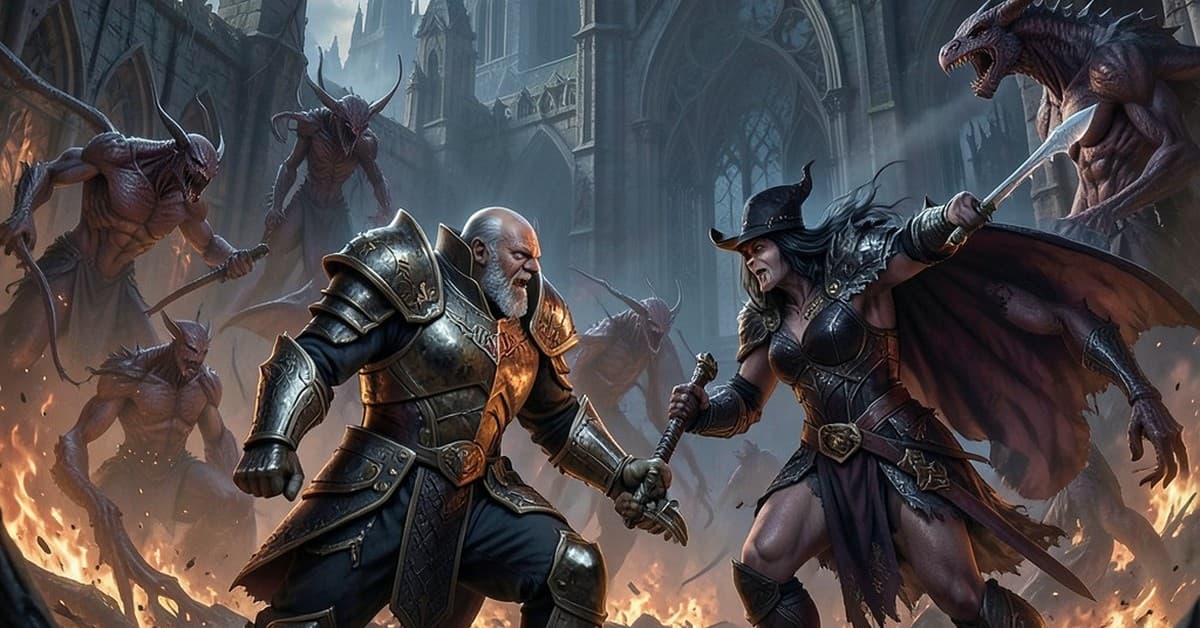
The expansion introduces two new classes: the fan-favourite Paladin, with its sword-and-board combat, and the Warlock, wielding demonology and apocalyptic fire. Skovos, a Mediterranean-inspired ancient Amazon homeland, serves as the new battleground against Mephisto. However, Lord of Hatred's impact extends far beyond new classes and regions, delving deep into the game's core to enhance endgame activities, itemization, and player engagement. For players deeply invested in Diablo IV, this expansion is more than an add-on—it's a transformative experience that addresses long-standing community wishes for more depth and connectivity between game elements.
Redefining the Endgame, One Town at a Time
"Towns are always annoying to make in Diablo games,"
Zaven Haroutunian, Associate Game Director
The design of Skovos' main town, Temis, exemplifies Blizzard's approach to unifying the game's narrative and endgame aspects. As Haroutunian notes, "Towns are always annoying to make in Diablo games," referencing the challenges faced in Diablo III. Temis breaks the mold by serving both as a narrative hub for the campaign and an endgame focal point, thanks to its instanced design and strategic placement on a mountaintop.
"By the time we were making Temis, the game was mature. We knew what made a good town, but we also knew what the campaign needed from its town. The campaign doesn’t care about the exact positioning of a Blacksmith."
Zaven Haroutunian, Associate Game Director
This maturity in design thinking is evident in how Temis seamlessly integrates into both the story and endgame loops, a crucial step in Blizzard's strategy to retain players long-term.
War Plans: Bringing Depth to the Endgame
Development on Lord of Hatred began before the base game's launch, allowing the team to leverage live game feedback. Initially, features like the horde mode (later deployed early as Infernal Hordes) were considered for the expansion. However, the focus shifted towards addressing the game's breadth vs. depth dilemma. As Haroutunian candidly admits, "The game needed depth way more than breadth," leading to the creation of War Plans.
"The game needed depth way more than breadth,"
Zaven Haroutunian, Associate Game Director
War Plans introduces a war table where players strategize and customize their endgame experience by selecting from a variety of activities (including Nightmare Dungeons, Helltides, and more) and applying modifiers that significantly alter gameplay. This system embodies Blizzard's "easy to learn, difficult to master" philosophy, offering a simple entry point that hides considerable depth. For example, a single modifier can change how an entire activity is played or even affect elements outside the chosen activity, such as modifying all Treasure Goblins across the game.
"There are seven activities; set your playlist and go play them. But, as you get deeper into it, you start learning the systems, you get to the depth, you add to the difficulty, and you play around with modifiers."
Zaven Haroutunian, Associate Game Director
This approach not only unifies the endgame but also provides a clear direction for players, whether they're seeking narrative closure or deep, challenging gameplay.
The Evolution of Key Features
Beyond War Plans, Lord of Hatred boasts several evolutionary features:
- Horadric Cube: Revolutionizes crafting and itemization, significantly upgrading the depth of character builds.
- Skill Trees: Overhauled to breathe new life into the growing roster of classes, ensuring each feels unique and powerful.
- Talisman System: Deepens build customization with Charms and Seals, focusing on item depth before set bonuses.
"Here’s an example,"
Zaven Haroutunian, Associate Game Director
Haroutunian illustrates, discussing the Horadric Cube. "When we’re adding this, it’s also significantly upgrading our itemisation systems. Without the Cube and without an expansion like Lord of Hatred, you don’t get that." This mindset of interconnected evolution is key to understanding Lord of Hatred's design.
Conclusion: Sanctuary Rebuilt
Diablo IV: Lord of Hatred is not just an expansion; it's a culmination of Blizzard's learning curve with Diablo IV, addressing player needs with a clear, confident vision. By focusing on depth, unity of experience, and player agency, Lord of Hatred sets a new benchmark for what an expansion can achieve in the world of action RPGs. For the community, this means a richer, more connected Sanctuary, where every element—from the narrative-driven campaign to the deepest endgame activities—feels interconnected and rewarding.
"The game needed depth way more than breadth,"
Zaven Haroutunian, Associate Game Director
Haroutunian reflects, a mantra that guides every aspect of Lord of Hatred. With its release, Diablo IV enters a new era of maturity, promising players an experience that is both a satisfying conclusion to the current story arc and an exciting beginning for what's to come.
Key Takeaways
- Diablo IV: Lord of Hatred introduces two new classes: Paladin and Warlock.
- Skovos, a new region, offers a fresh backdrop for the battle against Mephisto.
- War Plans revolutionize endgame with customizable activity playlists and deep modifiers.
- Development began before the base game's launch, leveraging live game feedback.
- The expansion focuses on adding depth to the game rather than just breadth.