Physical Costs More, Starting With Yoshi
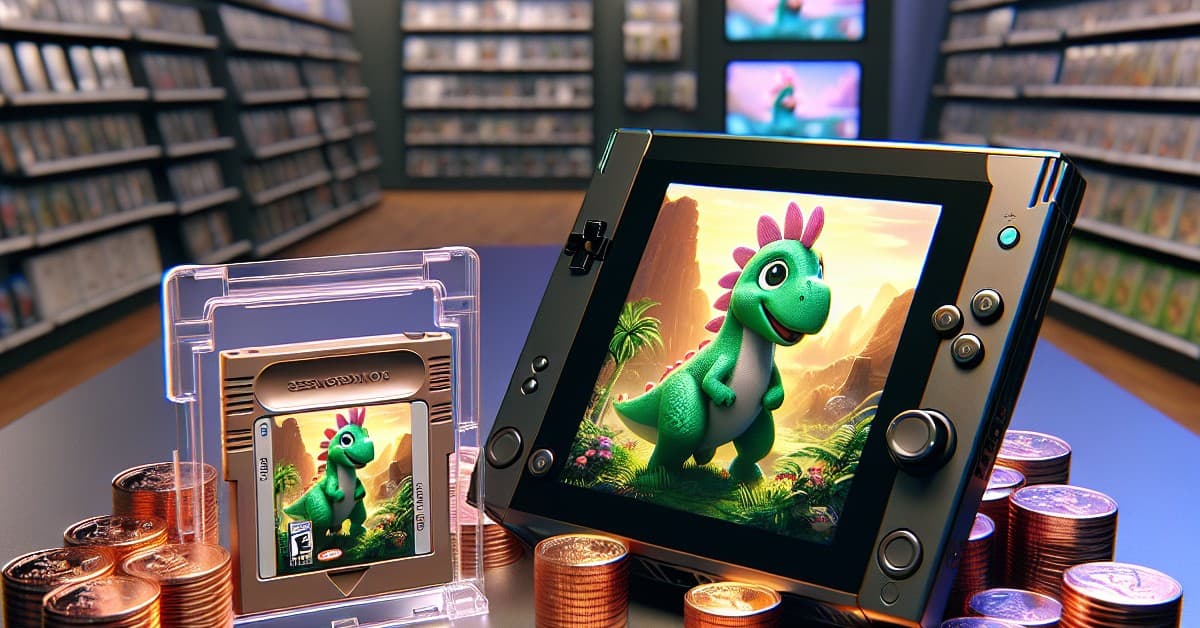
Yoshi and the Mysterious Book will cost $10 more on a cartridge than it does on the eShop. Nintendo’s store now lists the physical Switch 2 release at $70, while the digital version is $60. The platform holder says this format-based split begins with Yoshi, which launches May 21 on Switch 2.
Nintendo announced on March 25 that it would start charging different prices for digital and physical Switch 2–exclusive games beginning with Yoshi and the Mysterious Book. The company framed the move as a reflection of production and distribution costs tied to each format, not a change to the game itself.
Nintendo’s Rationale And Retail Caveats
Nintendo also provided a separate statement pushing back on the idea that its first-party physical games are getting more expensive in the U.S. Here’s the key line:
The cost of physical games is not going up. This means that when Nintendo sells digital versions of Nintendo published games exclusive to Nintendo Switch 2 to consumers in the U.S., those prices will have an MSRP that is lower than their physical counterparts. Retail partners set their own prices for physical and digital games, and pricing for each title may vary.
In other words, Nintendo is positioning the split as a lower MSRP for digital Switch 2 exclusives rather than a hike for boxed versions. There’s another wrinkle: retail partners set their own prices for both physical and digital, so you may see variance at Walmart, Target, or your usual store. That could blunt the increase—or make it murkier—depending on where you shop.
The rollout has already caused a little confusion. Earlier this month, Nintendo’s U.S. site briefly showed Yoshi at $60 across the board before the current listings appeared. Former Nintendo staffer and content creator Kit Ellis flagged the oddity while hunting for a confirmed price.
Now that the official store shows a $70 box and a $60 download, the most straightforward read is that physical editions are carrying a premium that digital doesn’t. That aligns with Nintendo’s explanation about manufacturing and distribution, even if the message doesn’t land cleanly for anyone used to one standard price.
How We Got Here: Case-By-Case Pricing
Variable pricing isn’t new for Switch 2. When the console launched, Nintendo of America’s leadership said game prices would be decided case by case, balancing factors like scope and replay value. That approach has shown up in DLC and upgrade fees as well. Meanwhile, Nintendo has already been the first major publisher to cross the $80 mark this generation, signaling a wider range than players saw on Switch 1.
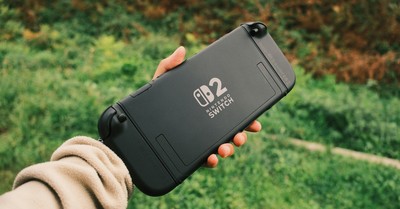
There’s also a practical cost angle on the physical side. Switch 2 cartridges use pricier SD Express media, which makes boxed manufacturing more expensive. Some publishers have tested cheaper “game key cards,” which are essentially plastic DRM keys, to avoid those costs—an unpopular workaround with collectors that still underscores how much the cartridge bill of materials can move the needle.
What It Means For Upcoming Switch 2 Releases
Short term, Yoshi and the Mysterious Book is the first Nintendo-published Switch 2 title to reflect the split, and there aren’t any other first-party Switch 2 games landing before it. Pokémon Pokopia dodges the change by timing, and Tomodachi Life: Living the Dream won’t be affected since it’s a Switch 1 release.
Looking ahead, expect the same digital-versus-physical spread to show up on marquee games like Pokémon Winds and Waves and Splatoon Raiders. The open question is how far the gap will go. Will $70 become the norm for digital and $80 for boxed? Could a top-tier 3D Mario push even higher if Nintendo thinks the package warrants it? Until Nintendo sets a consistent baseline, each reveal will come with a second reveal: the format price.
Regional pricing adds more context. In the UK, Yoshi and the Mysterious Book is listed at £50, which typically maps to a $60 U.S. tier. That supports the idea that Yoshi’s digital version is a “$60 game” with a $70 physical edition in the U.S., rather than a $70 title that’s being discounted to $60 on the eShop.
For players, the takeaway is simple even if the policy isn’t: expect a format tax on cartridges. If you prefer owning the box and cart, budget for a premium—unless a retailer undercuts MSRP. If you’re fine with digital, Nintendo’s own store looks like the consistent, cheaper bet. Keep an eye on upcoming product pages; the price story might be just as interesting as the release date.