Production Cut After Record-Low U.S. Sales
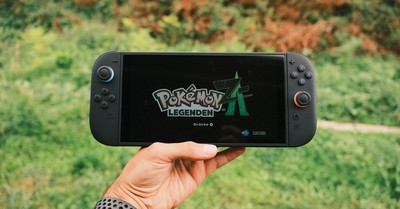
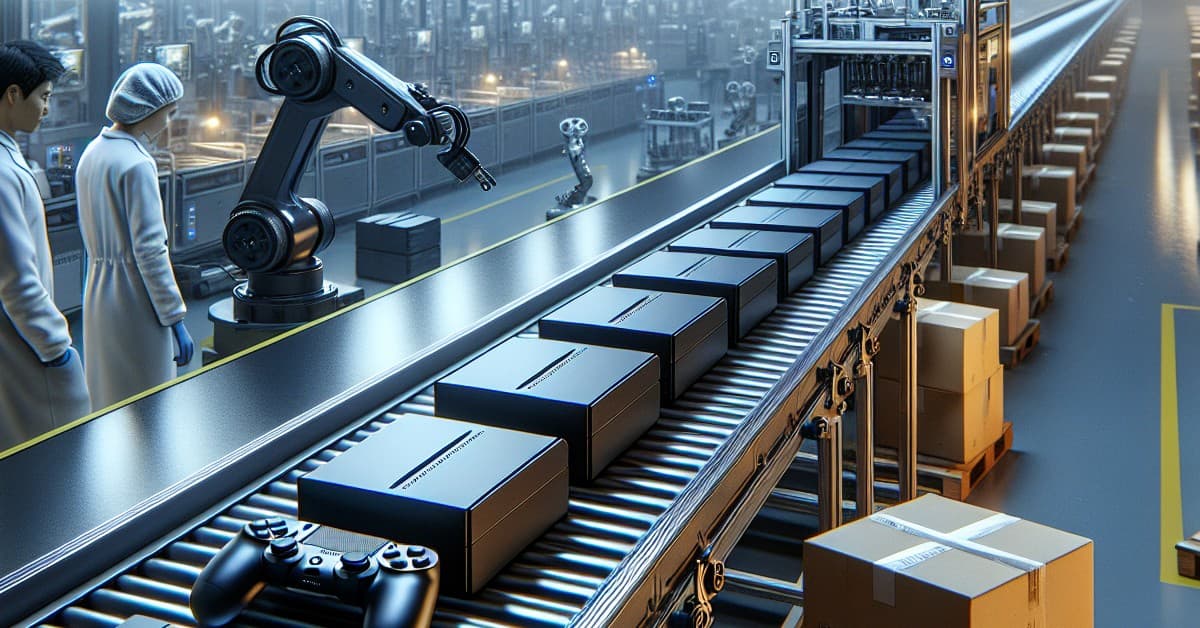
Nintendo is cutting Switch 2 production by 30% after U.S. holiday sales hit "record-breaking lows," Bloomberg reports. That’s a sharp reversal for a system expected to ride the Switch’s momentum into another strong year, and it’s forcing Nintendo to rethink the pace of hardware shipments.
In Bloomberg’s account, the company is "rolling back Switch 2 production by 30%" to recoup costs and buy time to confront the "grim realities of the modern gaming market." High tariffs and an AI-driven spike in memory chip prices have pushed hardware costs up across the board. Even with seasonal discounts, many households skipped a new console in December.
This isn’t just about demand; it’s also about timing. Launch windows, must-have software, and pricing all shape whether a console becomes a fixture or a footnote in its first full year. For now, Nintendo appears to be prioritizing a leaner pipeline over excess inventory.
A Familiar Boom-Bust Pattern
If the Switch 2’s stumble feels jarring, history suggests we shouldn’t be shocked. Nintendo’s hardware arc has swung between breakout success and awkward misfires for more than two decades.
After the Nintendo 64’s strong run, the GameCube missed the mark. Its lack of built-in online features and a thinner game lineup left it chasing the PlayStation 2 and Xbox. By the end of its lifecycle, it moved roughly 20 million units—far below the 50 million Nintendo had targeted.
Then came a hard pivot: the Wii. That "little white box" put motion controls front and center and broadened the audience overnight. It became the seventh generation’s sales king, reaching around 100 million units and redefining who a console could be for.
Success bred risk. The Wii U doubled down on the "let’s get weird" playbook with a bulky, short-lived gamepad that never clicked with players. Confusion around the concept and a soft software cadence left it as one of Nintendo’s lowest sellers, eclipsed only by the Virtual Boy.
Momentum returned in 2017. The Switch united handheld and console play, overcame skepticism left by the Wii U, and sold over 3 million units in its first week. It’s since climbed to about 155 million sold worldwide—Nintendo’s crown jewel and, paradoxically, the toughest act for any successor to follow.
What Could Turn It Around
The current downturn isn’t uniform across the globe. Bloomberg’s reporting indicates the U.S. slump was the steepest, while other regions saw a milder dip. Japan remains a relative bright spot, helped by the recent launch of Pokopia, which has continued to nudge hardware off shelves.
Software still moves hardware. One tentpole release—think Mario, Pokémon, or Zelda—can reshape a console’s trajectory within a single quarter. The Switch 2 hasn’t yet had that unmistakable system-seller. When it lands, expect bundles, retail visibility, and word of mouth to follow.
Pricing strategy matters too. With component costs rising, Nintendo’s 30% production trim gives it room to manage inventory, negotiate parts, and reassess regional pricing. A targeted price adjustment or value-forward bundle could widen the audience without undercutting the platform’s long-term margins.
None of this guarantees a snapback. It does, however, fit a recognizable Nintendo rhythm: stumble, recalibrate, surge. If the company syncs a stronger software slate with a smarter price pitch, Switch 2 can climb out of its holiday hole. Watch for a quieter spring and a louder first-party push as the year rolls on.