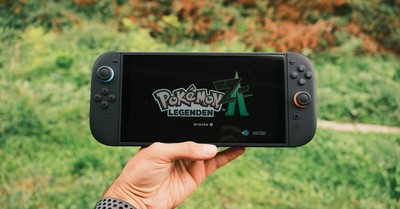
Nintendo has long been known for its reluctance to offer discounts on its first-party games, a strategy that sets it apart from many other major game publishers. In a recent insight, the company's former president has revealed the rationale behind this decision, emphasizing the importance of delivering "complete games" to consumers. This stance has significant implications for how Nintendo perceives the value of its titles and how it wishes for them to be perceived by players.
The explanation comes at a time when the gaming industry is increasingly embracing variable pricing, early access models, and frequent sales. Nintendo's approach, however, remains steadfast, with a focus on the initial purchase value. By avoiding discounts, Nintendo maintains a consistent pricing strategy across its catalog, including flagship titles for the Nintendo Switch. This consistency is seen as a way to ensure that each game is valued equally at launch and over time, reflecting the company's belief in the lasting quality of its products.
About Nintendo's Pricing Strategy
Nintendo's pricing strategy is deeply intertwined with its development philosophy. The company is renowned for its meticulous approach to game development, often taking years to polish titles before release. This process ensures that games meet a high standard of quality, aligning with the "complete game" ethos. By not discounting these titles, Nintendo reinforces the notion that the initial purchase price reflects the game's full value, without the need for future price adjustments to incentivize purchases.
This strategy also influences consumer behavior and expectations. Players anticipate that Nintendo games will retain their value, which can impact purchasing decisions and reduce the expectation of seeing titles go on sale shortly after launch. Moreover, it contributes to a perception of premium quality associated with Nintendo's brand, distinguishing it in a market where discounts and sales are commonplace.
The "Complete Game" Ethos Explained
The concept of a "complete game" at launch is central to Nintendo's rationale against discounts. Unlike some publishers that release games with planned DLCs or seasonal passes that add substantial content post-launch, Nintendo aims to deliver a comprehensive gaming experience from day one. This means that the value proposition to the consumer is clear and upfront, with no reliance on additional purchases to complete the game.
Former President [Name] emphasized this point, stating, "
We believe in giving consumers a complete game from the start, and this is reflected in our pricing strategy." This quote encapsulates the company's commitment to not only the quality of its games but also the transparency of their value to consumers. By doing so, Nintendo positions its games as investments that do not depreciate in value shortly after purchase, a stance that resonates with its dedicated fan base.
Implications for Players and the Industry
Nintendo's stance on discounts has broader implications for both players and the gaming industry. For players, it means that while initial purchases might seem more costly compared to games from other publishers that later go on sale, the expectation is that the game's quality and content justify the price point. This can lead to higher consumer satisfaction in the long run, as players receive a polished product without the anticipation of needing to buy additional content to enjoy the game fully.
Industry-wide, Nintendo's strategy serves as a counterpoint to prevailing trends. It challenges the notion that games must follow a specific pricing lifecycle and instead offers an alternative model focused on perceived value and quality. Whether this model can be universally applied is debatable, given the diverse nature of game development and consumer expectations across different genres and platforms. However, for Nintendo, this approach has contributed to its success and brand loyalty.
The former president's insights also spark a discussion on game development practices. The emphasis on launching complete games discourages the practice of selling incomplete titles with the promise of future updates, a practice some players have grown wary of. It underscores Nintendo's development philosophy, which prioritizes patience and polish over rapid release schedules and post-launch monetization strategies.
What This Means for the Future
Given the former president's explanation, it's clear that Nintendo's stance on discounts is unlikely to change in the foreseeable future. Players can expect the company to continue releasing games at a premium price point, backed by the assurance of a complete and polished experience. This consistency in strategy, despite industry trends, is a double-edged sword; it may deter price-sensitive buyers but reinforces the brand's image among its loyal customer base.
As the gaming landscape evolves, with advancements in cloud gaming, subscription services, and cross-platform play, Nintendo's rigid pricing strategy will face new challenges. The company must balance its commitment to traditional values with the need to adapt to changing consumer behaviors and technological innovations. Observers will watch closely to see how Nintendo navigates these waters, particularly with the anticipated launch of its next-generation console, where its pricing decisions will be under intense scrutiny.
In conclusion, Nintendo's refusal to discount its games is a deliberate choice rooted in its development ethos and brand identity. By focusing on the intrinsic value of its titles and the complete experience they offer, Nintendo distinguishes itself in a crowded market. As the industry continues to shift towards more flexible pricing models and post-launch support, Nintendo's steadfast approach will remain a point of interest, challenging the status quo and inviting reflection on what constitutes value in a video game.