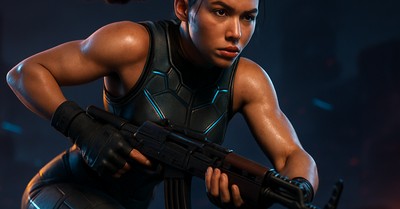
As Overwatch celebrates its 10th anniversary, the game stands at a crossroads of reflection and reinvention. Launched in 2016 by Blizzard as a polished, boxed product, it swiftly transformed into a live-service title, seeking to cater to the community's insatiable demand for new content. This decade-long journey, marked by both dazzling successes and public failures, has taught Blizzard a valuable lesson: the importance of Overwatch being unapologetically itself.
Quick Facts — Overwatch
| Developer | Blizzard |
|---|---|
| Platform(s) | PC, PS5, Xbox, Switch |
| Release Date | 2016 |
| Genre | Hero Shooter, Live-Service Game |
This realization comes after years of navigating the game's identity crisis, from its ambitious but ill-received PvE chapter in Overwatch 2 to the challenging transition into a free-to-play model. Aaron Keller, Game Director, and Walter Kong, SVP and Head of Development, shared insights into this journey, highlighting key lessons learned and the path forward.
Overwatch Spent Years Learning How To Be A Live Service Game
"I don’t think we really understood what it meant to fully support a live-service shooter," admits Aaron Keller. This candid admission underscores the team's initial struggles with the live-service model, a concept discussed but not fully grasped since the game's 2013 greenlight meeting. The journey to operationalize this concept involved learning from both successes and failures, including the game's ability to survive disappointment—a feat not all live-service games achieve.
A critical aspect of this learning curve has been the introduction of new systems and content, such as the Perks System and Stadium, designed to refresh the player experience without deviating from the game's core. The aggressive cadence of Hero Releases and Seasonal Events also plays a crucial role in keeping the game vibrant, addressing the community's feedback that the game had started to feel stale.
The Game's Lowest Moments Changed How Blizzard Thinks
The team's openness about fear as a creative motivator is a stark contrast to the confidence of Overwatch's early days. Walter Kong reflects on Marvel Rivals as a turning point, forcing the team to embrace risk. "It scared us a bit... but gave us license to go for it," Kong explains, highlighting a shift towards less risk-averse development.
A notable low point was the reception of Overwatch 2's PvE chapter, which, despite its negative feedback, provided clarity on focusing on the game's PvP competitive element. This focus has been instrumental in the game's recent positive turnaround, with the community responding well to updates that refine rather than revolutionize the core experience.
Overwatch Is Finally Comfortable Just Being Overwatch
Today, Overwatch embodies a unique balance between evolution and identity. Aaron Keller discusses plans for multi-year narrative arcs extending into 2027, seeking to tell intimate stories while acknowledging the game's mechanical simplicity as both a limitation and its defining trait.
"We’ve been gradually seeing the community’s perception of Overwatch start to turn around," Keller notes, citing positive feedback and sentiments like "Overwatch is back." This resurgence in community sentiment is a testament to the team's efforts to listen and adapt, ensuring the game remains true to its roots while embracing controlled innovation.
Community Reaction and the Path Forward
The community's recent positive feedback, with many expressing that "Overwatch is back," signifies a crucial turning point. Unlike games that can reboot or sequel their way out of challenges, live-service titles like Overwatch rely on second chances. With its 10th anniversary, Overwatch not only survives but thrives, capable of evolving without losing its essence.
As the game looks to the future, its ability to balance narrative depth with competitive purity will be key. The lessons of its first decade—emphasizing community feedback, embracing risk, and staying true to its identity—will guide Overwatch as it navigates the next chapter in its story, one that promises to be as dynamic as the heroes that populate its world.
Key Takeaways
- Overwatch celebrates its 10th anniversary, reflecting on its live-service evolution.
- The game overcame significant challenges, including the PvE chapter backlash and transition to Overwatch 2.
- Blizzard focuses on controlled reinvention, keeping the game fresh while true to its roots.
- Community sentiment has improved, with fans noting "Overwatch is back."
In conclusion, Overwatch's decade-long journey is a testament to resilience and the pursuit of identity in the ever-demanding live-service landscape. As it stands comfortably as itself, the future looks promising for this hero shooter, with a community once again engaged and a development team clear on its vision.